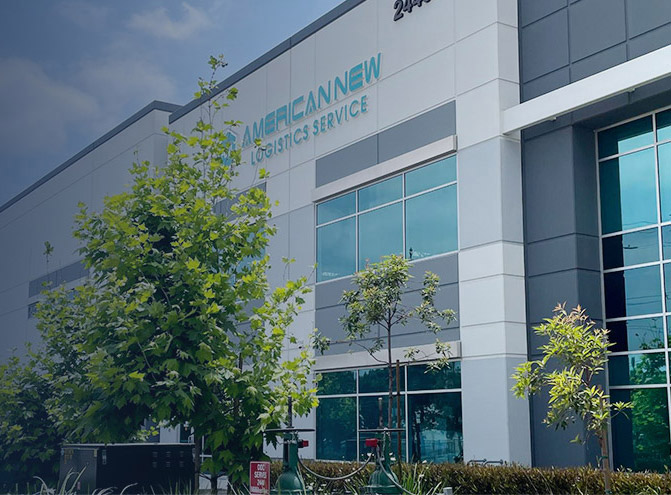
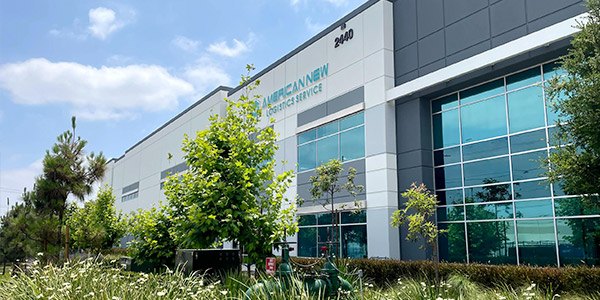
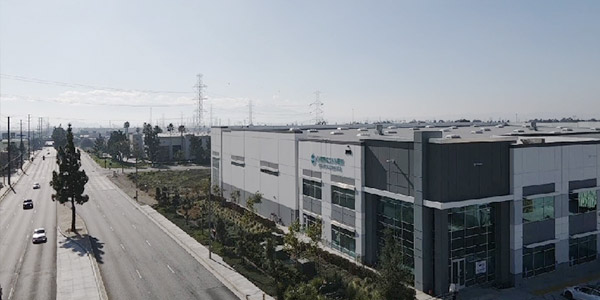
AMERICAN NEW LOGISTICS — A Los Angeles-based comprehensive international logistics service provider.

Bulky Ocean Freight

FCL & LCL ocean freight solutions to Medium/Large-sized items and overseas warehouses across the US, offering customizable speed options for commercial and residential deliveries.
Matson Express:Tier-1 Matson partner | 11-day transit time | Ideal for urgent replenishment.
Fast Ocean Vessel:12–14 day transit time | Port drayage, devanning, and dispatch completed within 48 hours of arrival.
Standard Ocean Vessel:Ocean Alliance (OA) options with flexible booking | Average 25-day US West Coast delivery from origin warehouse receipt.

Get a Quote

LCL VS FCL

Mid/Large LCL Shipping Process

End-to-end tracking on U-shipment

Medium/Large-sized items FCL & LCL Freight Solutions

Covering US fulfillment hubs for Amazon, Walmart, Wayfair, Temu, SHEIN, and TikTok, as well as 3PL warehouses, commercial, and residential addresses

Officially Recommended Logistics Provider

Ship to the US with Confidence — Choose AMERICAN NEW LOGISTICS
Empowering global e-commerce brands with digital logistics and end-to-end supply chain integration. We provide seamless, one-stop logistics solutions and value-added services.

Product Advantages

Why Mid/Large Items Ship with ANL

Mid/Large LCL Shipping to the US — FAQ

Our mid/large LCL service is built for shipments of up to 12 CBM, with individual pieces typically no heavier than 300 kg and no longer than 5 m on the longest side — furniture, home appliances, fitness equipment, outdoor gear, industrial components, and similar goods. On our bulky LCL lanes we reserve dedicated stowage for each shipment, so your cargo is not mixed in with heavy or sharp-edged freight. If a single piece exceeds the weight or length limits, or if your shipment volume approaches or passes the FCL threshold, our consultants will recommend a full-container plan instead of forcing it into an LCL booking.

For mid/large LCL, damage risk comes mainly from mixed-load compression and repeated handling, not from ocean motion itself. Our approach: oversized items are palletized or reinforced by default, stowage is planned by cargo type and zone, and each shipment keeps dedicated space so it never sits in direct contact with heavy or sharp-edged cargo. Once in the US, devanning and sorting are done in our own warehouses rather than by a third-party deconsolidator, which removes uncontrollable handover points. For high-value or fragile oversized items, we can also arrange custom reinforced packaging and cargo insurance.

LCL shares one container, so an export or import irregularity on any single booking can affect the release timing of the whole container. That is a structural feature of LCL, and we do not gloss over it. Our countermeasures: separate declaration and separate customs clearance for each booking, plus pre-shipment screening of commodity names, HS codes, and certification documents to reduce the chance that one problematic shipment holds up the entire container. At the destination port our in-house clearance team follows each case, so inspections can be answered and supporting documents submitted faster. For categories with complex certifications or higher inspection sensitivity, the consultant confirms the full compliance document list before booking.

Within our standard mid/large LCL acceptance range, pieces up to 300 kg and up to 5 m on the longest side are handled as normal. Anything beyond those limits requires a per-shipment quotation in advance: we need to confirm the origin port's loading equipment, the carrier's acceptance conditions, the destination port's unloading capability, and the drayage or final-mile trucking plan. Please do not ship oversize cargo to the warehouse before that confirmation, otherwise you may face returns, re-stuffing, or extra handling fees. If your cargo keeps landing on the LCL boundary, a full container is usually the safer choice.

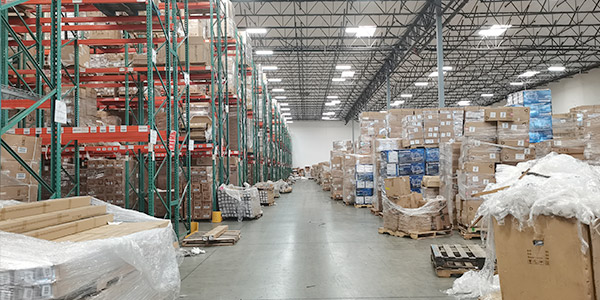
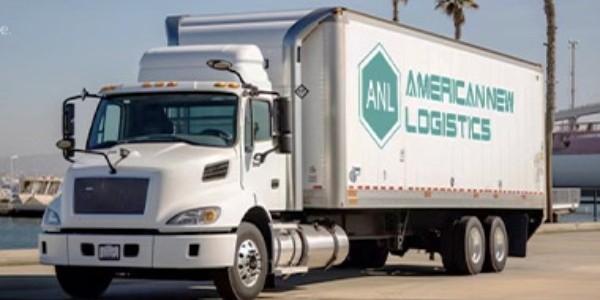
Beyond the ocean leg itself, transit time is driven by consolidation waiting, waiting for the batch to complete before LCL clearance, devanning and distribution at the destination port, and final-mile trucking for oversized goods. Overall, LCL typically runs 3–4 days slower than FCL — that gap is normal for this mode. ANL operates its own US warehouses and a fleet of 60+ company-owned trucks: devanning within 24 hours of arrival, sorting and palletizing within 36 hours, and final-mile delivery matched to the address and cargo type, either by our own trucks or through an oversized LTL network. This cuts the unpredictable "waiting for delivery after arrival" time. For a door-to-door estimate, please provide the origin port, destination address, and cargo profile so the consultant can give a realistic range rather than one blanket number.

Book an experience now and get exclusive consultants

Please provide your contact information

Customer service:159-9482-8963
working hours:9:00-18:00

Copyright © American New-ANL-Group All rights reserved 沪ICP备2021018392号-1

在
线
咨
询

x