AMERICAN NEW LOGISTICS — A Los Angeles-based comprehensive international logistics service provider.
 Chinese


Pain Point 01:Inland Rail & Direct Truck Delivery Times Are Uncontrollable

Pain Point 02::Single Storage Unit Cannot Support Multi-Warehouse Distribution

Pain Point 03:High Port and Container Detention Charges
After the goods arrive at the port
01 port container release
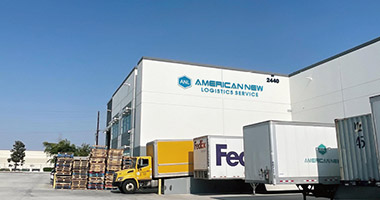
02 delivered to the ANL warehouse
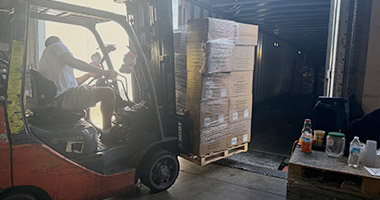
03 unpacking and tallying
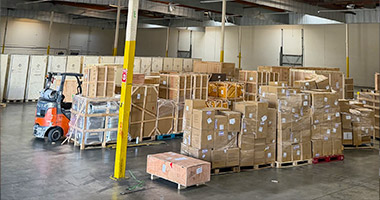
04 sorting and processing
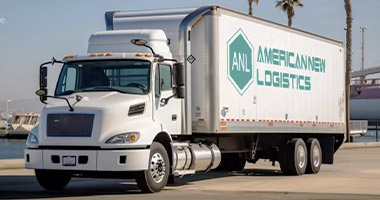
05 self-operated truck delivery
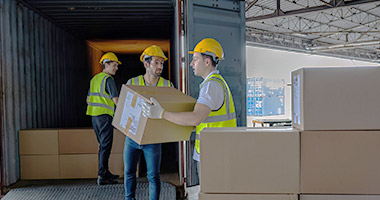
06 final delivery
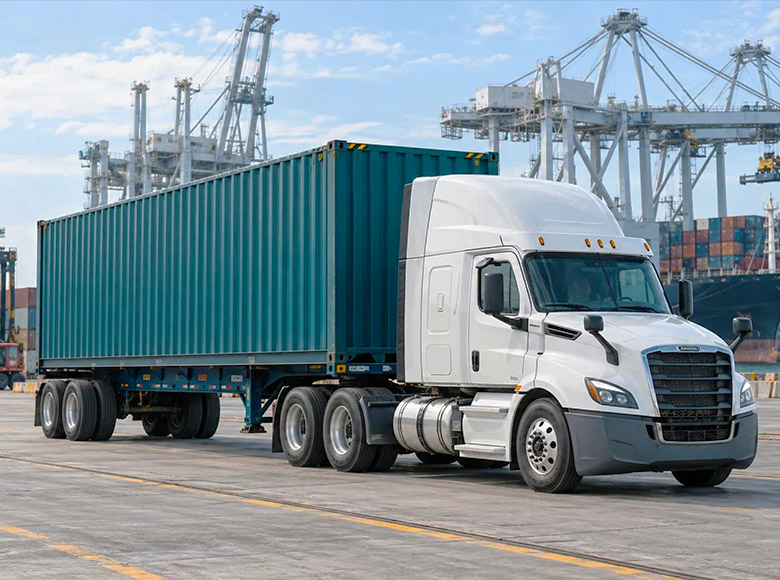
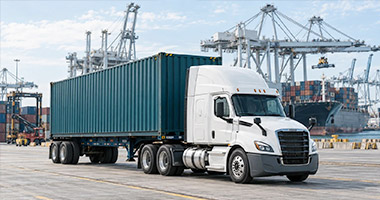
Transloading refers to the process where after the maritime containers arrive at the ports in the United States, instead of directly being transported by inland trains or expensive full-container trucks, they are moved to the nearby transloading warehouses for unloading (Devanning), then reloaded onto local high-capacity trucks (such as 53-foot long-haul trucks) or express vehicles, and finally distributed and delivered to the destinations.
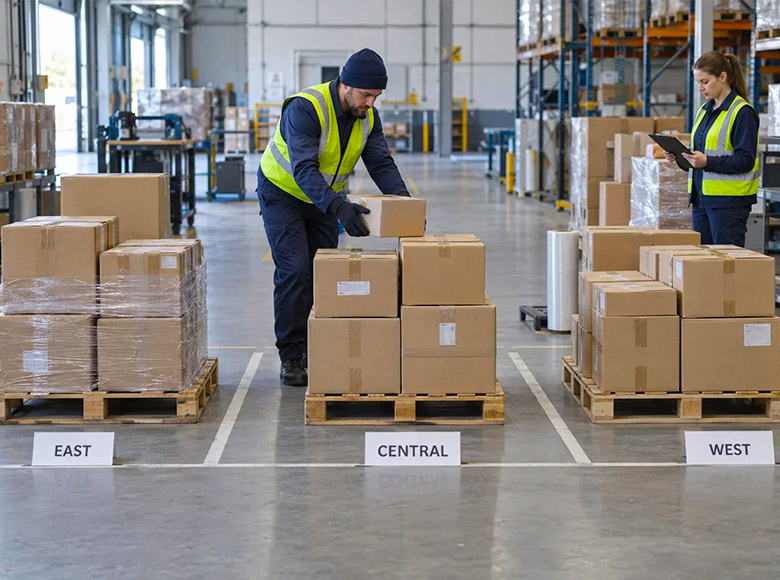
Rapid Replenishment: Cross-docking for hot sellers—unload, sort, and reload upon arrival for same/next-day last-mile delivery, ensuring shelf availability.
Cost Reduction by Reconfiguration: Consolidate 3 ocean containers into 2 NA 53ft trucks to bypass ocean weight/volume limits and cut inland trunking costs.
Multi-Center Distribution: One container, multiple deliveries. Unpack at port and dispatch mixed SKUs to FBA/commercial warehouses across US West, Central, and East.
Avoid Delay Penalties: Immediate container withdrawal and unpacking when warehouse appointments are blocked, eliminating accumulating detention fees.
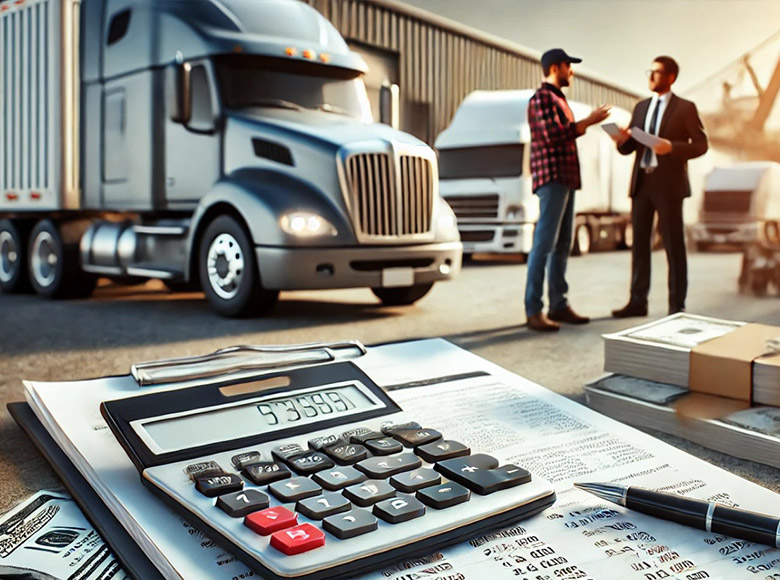
All B2B importers and brand export enterprises in the United States → The goods need to be distributed to different distributors and physical retailer warehouses across the country.
Large-sized/Heavy/Industrial goods exporters → Extremely sensitive to inland transportation costs, and need to optimize the cost of carpooling through 53-foot trucks.
International freight forwarders → Search for local fulfillment partners in North America that have strong self-owned warehouse and self-owned fleet resources.
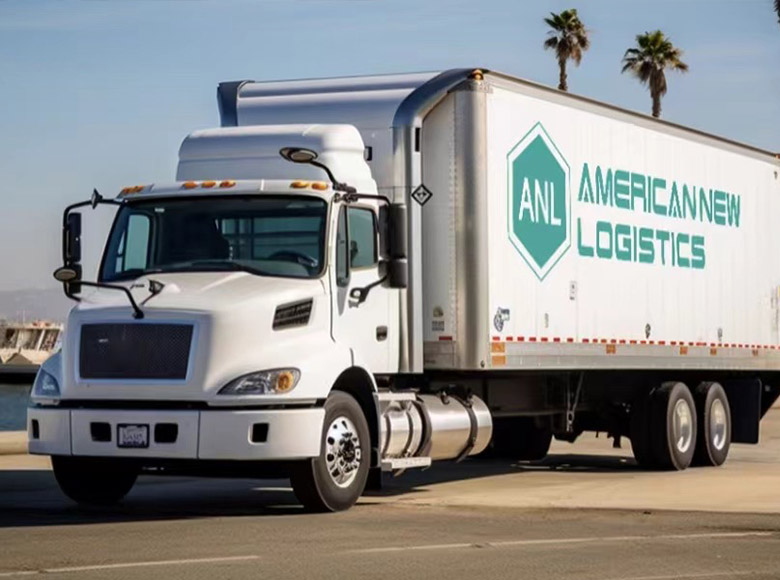
Full-Process Self-Operation: From port pickup and overseas warehouse unpacking to final delivery, all managed in-house—eliminating the disconnection risks of traditional outsourcing.
Precise Time Control: Full-process self-management ensures efficient cargo circulation and on-time delivery after port arrival.
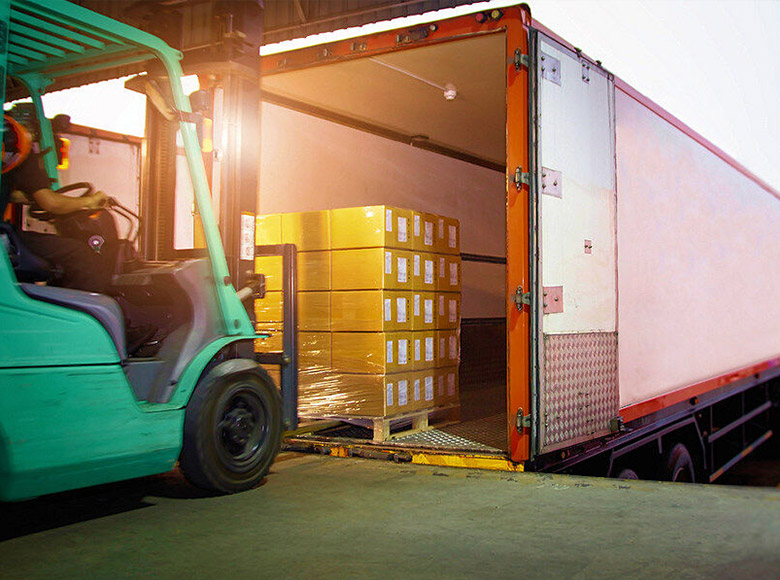
Exclusive Transshipment Area: Dedicated transloading zone within the overseas warehouse for efficient, independent unpacking and palletizing.
Specialist Full-Process Follow-Up: Assigned transshipment scheduling expert provides one-stop coordination via a project-based model, ensuring execution quality.
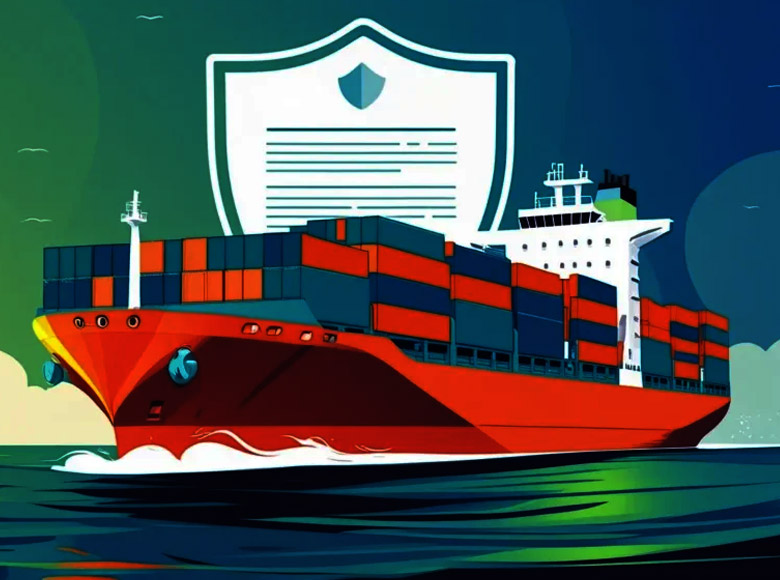
Customized Delivery Plan: Highly customized operations to meet complex, high-demand delivery requirements.
High-Value Goods Guarantee: Independent transport insurance plus full-trip tracking to ensure the safety of high-value cargo.