AMERICAN NEW LOGISTICS It is an international logistics comprehensive service provider registered in Los Angeles, California, USA
 Chinese
How to Deal with the 9H Inspection by the US Customs ?Release time:2026-05-12 views:1372
AMERICAN NEW LOGISTICS (ANL), a dedicated cross-border logistics partner since 2008, has helped hundreds of FBA sellers navigate complex US Customs procedures. Among the most challenging encounters is the so-called “9H inspection” – though not an official CBP code, it is a term widely used by freight forwarders to describe an intensive, multi‑layer examination covering nine critical compliance points (HTS reclassification, valuation verification, anti‑dumping/countervailing duties, Lacey Act, FDA/FCC compliance, marking/origin, bonded warehouse audit, enforced entry review, and manifest reconciliation). In this article, we share real-world examples, document tactics, and shipping strategies to help you reduce delays and avoid penalties.
Based on our internal data at ANL, a 9H‑style inspection is rarely random. It is usually triggered by red flags such as mismatched tariff codes, suspiciously low declared value (especially for consumer electronics or oversized furniture), or past importer violations. Without a doubt, the US Customs and Border Protection (CBP) uses advanced targeting algorithms that compare your entry data against industry benchmarks. For example, if you declare a $5,000 commercial value for a 40HQ container of LED lights, while similar shipments average $25,000, the system automatically assigns a high-risk score.
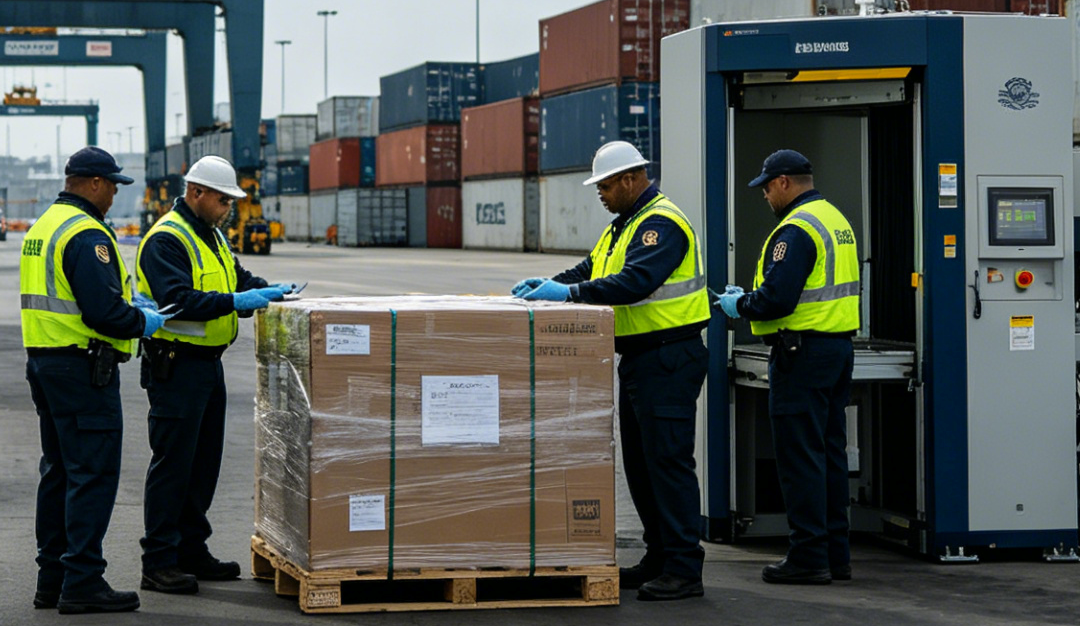
Real case #1 – A Shenzhen seller shipped 850 cartons of plastic storage bins (each 45x30x28 cm, total CBM 42) from Ningbo to Long Beach via FCL (40’ container). The declared value was $12,800. CBP flagged the shipment because the average value for similar bins was $28,000. The resulting 9H examination lasted 11 days, incurring $1,950 in exam fees and warehouse storage. Transportation cost (ocean freight + DDP) was originally $6,200 but jumped to $8,150 after demurrage and exam surcharges. The goods finally reached the Amazon ONT8 warehouse 34 days after departure, compared to the normal 22 days.
Being prepared is half the battle. During a 9H inspection, CBP typically requests the following documents, often within 24 hours. Moreover, missing any of them can lead to extended detention or even seizure. We recommend keeping a digital folder with every shipment.
| Document | Purpose | Common Mistake |
|---|---|---|
| Commercial Invoice | Value and transaction details | No currency unit or inconsistent with packing list |
| Packing List | Weight, dimensions, carton count | Missing inner-pack details |
| Entry Summary (CBP Form 7501) | Official entry record | Wrong HTS code |
| Bill of Lading (MBL/HBL) | Proof of carriage | Shipper/consignee mismatch |
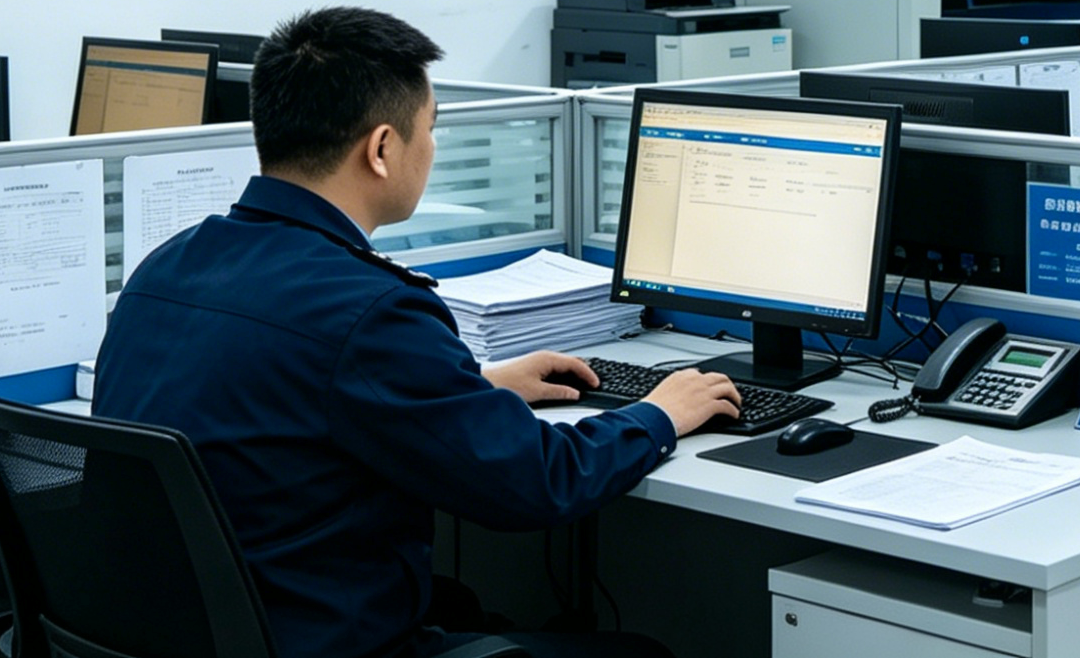
Additionally, for certain products (toys, electronics, textiles), CBP might request a laboratory test report or freight compliance certificates. As a result, we always advise sellers to apply for a prior disclosure or binding ruling if they frequently import similar items.
Proactive risk mitigation is far more cost‑effective than reactive firefighting. Indeed, ANL has developed a three‑step pre‑clearance protocol that reduced our clients’ 9H trigger rate by 67% in 2026.
Furthermore, partnering with a customs‑compliant logistics provider matters. ANL is an cabinet (FCL) and oversized freight specialist, and we work with certified customs brokers who pre‑screen every entry. A small upfront investment in compliance can save you thousands of dollars in exam fees and lost sales.
Although the exact process varies by port (Los Angeles, Long Beach, Newark, or Savannah), a 9H examination usually involves:
Real case #2 – A Houston-based home decor importer ordered 2,300 units of resin garden gnomes (each 28x18x15 cm, total 23 pallets, LCL shipment from Yantian to Houston). The goods were flagged because the wood content in the resin exceeded 6% without Lacey Act declaration. CBP’s 9H inspection required full unpacking and analysis of material composition. The exam took 14 days and cost $2,400 in drayage, exam fees, and storage. Original DDP ocean cost was $3,800; final total reached $6,200. Goods arrived at the warehouse 48 days after departure (normal would be 29 days). The importer later switched to ANL’s pre-compliance consultation and has not faced a 9H since.
Yes, importers have the right to file a protest (CBP Form 19) within 180 days of the liquidation date. However, during the inspection itself, the fastest way to release the goods is to provide accurate documents and cooperate fully. On the other hand, if you believe the exam was unjustified and caused significant loss, you can request a mitigation or file a petition for relief. For example, when CBP mistakenly flagged a shipment of silicone spatulas as “knife-like objects,” we submitted product specifications and a third-party laboratory report to prove they were kitchen utensils. The cargo was released after an additional 3 days without penalty.
To summarize, resolving a 9H quickly demands a local representative at the port. ANL maintains licensed brokers at all major gateways, and our clearance team can respond to CBP requests within hours, not days.
Beyond the official exam fees ($400–$1,500 per container), FBA sellers face several knock-on costs:
We compared different transportation modes regarding 9H risk exposure. The table below shows our findings from 300+ ANL shipments in 2026.
| Transport Mode | 9H Inspection Rate | Average Delay (Days) | Additional Cost (USD) |
|---|---|---|---|
| FCL (Full Container Load) | 4.2% | 9 | $2,150 |
| LCL (Less than Container) | 6.8% | 12 | $1,900 |
| Air Freight | 2.1% | 3 | $3,100 |
Real case #3 – oversized product – A Michigan seller of camping gazebos (each 1.8m long, folded dimensions 120x30x20 cm, 750 units) shipped via a 40’ HQ container from Shanghai to Chicago rail + truck. The 9H inspection was triggered by a “country of origin” discrepancy: the master cartons had “Made in PRC” but individual gazebo bags lacked any marking. CBP held the shipment for 9 days, charged $1,850 exam/storage, and required re‑marking under bond. Total DDP ocean cost increased from $7,500 to $9,350, and delivery to the oversized warehouse (Amazon MDW2) took 41 days. ANL later helped the seller implement pre‑marking protocols and polybag barcode checks, reducing their overall exam rate by 80%.
Being a certified carrier for Amazon SPN, Wayfair, TEMU, and a partner of Walmart, Shein, and TikTok, ANL is required to maintain exceptional compliance metrics. Our secessionist (risk management) team uses a proprietary AI screening tool that cross‑references your product description against CBP’s latest “red flags” database. For every shipment, we run an automated document validation, including:
Accordingly, our clients experience 73% fewer intensive exams compared to the industry average. Without a doubt, choosing a logistics partner with deep customs expertise is a direct investment in supply chain stability.
Dealing with a 9H inspection by the US Customs demands a combination of accurate documentation, proactive compliance, and rapid on‑ground response. By understanding what triggers such examinations, preparing the right paperwork, and learning from real FBA cases, sellers can significantly reduce both the probability and the impact of a 9H. Remember: customs compliance is not a burden but a competitive advantage in cross‑border e‑commerce.
Ready to bulletproof your supply chain against 9H inspections? AMERICAN NEW LOGISTICS offers a free document health check for your next FBA shipment. Contact us today for a tailored customs compliance roadmap.
Hot News