Chinese

How to Apply for Customs Reconsideration When Encountering 5H Inspection?
You receive a notification that your container is under 5H inspection—an Entry Processing Hold—and weeks of demurrage fees start piling up while your inventory sits idle at the port. Many sellers believe they have no recourse, but that is not accurate. Knowing how to apply for customs reconsideration when encountering 5H inspection can be the difference between a resolved shipment and a total loss. In this guide, we will walk you through the exact process, documentation requirements, and proven strategies to overturn an adverse 5H determination. As a trusted logistics partner, AMERICAN NEW LOGISTICS has helped numerous importers navigate this complex procedure successfully.
What Exactly Is a 5H Inspection and Why Would You Need Reconsideration?
Before diving into how to apply for customs reconsideration when encountering 5H inspection, it is essential to understand what a 5H hold actually means. According to U.S. Customs and Border Protection (CBP), a 5H code stands for “Entry Processing Hold.” This hold is typically placed when CBP’s Automated Commercial Environment (ACE) system detects inconsistencies between the manifest data and supporting documents—such as commercial invoices, packing lists, or ISF filings. Unlike a physical exam (e.g., intensive MET exam), a 5H hold is primarily a document review hold, but it can escalate to a physical exam if CBP suspects fraud or misdeclaration.
However, CBP‘s initial determination that a shipment requires 5H scrutiny is not always correct. Indeed, there are many scenarios where a 5H hold is applied erroneously: a clerical error in the HS code, a minor discrepancy between the invoice and the packing list quantity, or a misinterpretation of the product description. In such cases, the importer has the right to challenge the hold by submitting a customs reconsideration request. Without a doubt, filing a reconsideration can save thousands of dollars in storage fees and prevent costly supply chain disruptions.
The legal basis for customs reconsideration comes from 19 U.S.C. § 1514 (protest against CBP decisions). Importers may file a protest or request for reconsideration within 180 days of the adverse decision. For 5H holds, the most common ground for reconsideration is that the entry documentation was complete and accurate at the time of filing, and that the hold was triggered by a CBP system error or misinterpretation.
What Documents Are Required to File a Customs Reconsideration for 5H?

To successfully apply for reconsideration, you must assemble a comprehensive evidence package. CBP will not act on verbal claims or incomplete submissions. Below is a checklist of essential documents based on 2026 CBP guidelines:
- 1. Original entry summary (CBP Form 7501): Showing the exact entry number and line items.
- 2. Commercial invoice: Detailed invoice matching the entry value, quantity, and product description.
- 3. Packing list: Showing weight, dimensions, and packaging configuration.
- 4. Bill of lading (ocean) or air waybill: Proving shipment details and carrier information.
- 5. ISF (Importer Security Filing) acknowledgment: Confirming timely filing before vessel loading.
- 6. Any CBP notice or hold notification: Including the ACE hold code and officer notes if available.
- 7. Written statement of facts: Explaining why the 5H hold was erroneous and providing corrected data if applicable.
In addition, if the hold was based on a specific discrepancy (e.g., declared value vs. expected value), include third-party evidence such as supplier invoices, payment receipts, or bank statements to prove transaction authenticity. For products subject to intellectual property concerns, provide licensing agreements or authorization letters from brand owners.
All documents must be submitted in English, or accompanied by a certified translation. CBP’s Port of Entry where the hold was issued has jurisdiction over the reconsideration request. Working with a licensed customs broker who has direct ACE portal access can expedite the submission process, as brokers can file reconsideration requests electronically through the ACE Protest module.
Step-by-Step: How to Apply for Customs Reconsideration When Encountering 5H Inspection
The following step-by-step procedure outlines exactly how to apply for customs reconsideration when encountering 5H inspection. Follow these stages carefully to maximize your chances of success.
Step 1: Obtain the Official Hold Notification
Contact your customs broker or freight forwarder immediately. Request a screenshot or printout from ACE showing the exact 5H code, the date placed, and any officer notes. Without this, you cannot know what specific deficiency triggered the hold.
Step 2: Conduct an Internal Audit of Your Entry Documents
Compare every document line by line. Look for discrepancies in HS code, declared value, quantity, weight, and consignee information. If you find errors, prepare corrected documents. If you believe the hold was in error, prepare a justification statement.
Step 3: Engage a Licensed Customs Broker with Reconsideration Experience
While importers can file protests independently, a broker significantly increases efficiency. Brokers have direct access to CBP officers and understand the specific arguments that resonate with each port. Moreover, clearance specialists at ANL have a proven track record of resolving 5H holds through reconsideration.
Step 4: Prepare the Reconsideration Package
Organize all documents in a logical sequence. Write a cover letter clearly stating: entry number, date of hold, the specific CBP decision you are challenging, the grounds for reconsideration, and the relief requested (release of the shipment). Attach supporting evidence.
Step 5: Submit Electronically via ACE or in Person at the Port
Most ports now accept electronic submissions through the ACE Protest Filing system. Your broker can file CBP Form 19 (Protest) or an informal reconsideration request, depending on the nature of the hold. Keep a timestamped proof of submission.
Step 6: Follow Up Regularly
CBP has 30 days to respond to a protest (though informal reconsiderations may be faster). Follow up every 7-10 days via your broker or direct port contact. Persistence is key.
Step 7: If Denied, Escalate to CBP Headquarters
If the port denies your reconsideration, you can appeal to the CBP Office of Trade within 60 days. This is a more formal process, but for high-value shipments, it may be worth the effort.
To help visualize the timeline and success rates, the table below summarizes typical outcomes based on 2025-2026 industry data from ports of Los Angeles and Long Beach:
| Grounds for Reconsideration | Approval Rate (2025-2026) | Average Processing Time | Best Practice |
|---|---|---|---|
| Clerical error (HS code, quantity) | 78% | 7-14 days | Provide corrected entry summary |
| Value discrepancy (importer vs. CBP) | 52% | 14-28 days | Submit bank statements & supplier invoices |
| Missing or incomplete ISF | 45% | 10-21 days | Late filing explanation + penalty mitigation |
| IPR or trademark suspicion | 35% | 21-45 days | Provide licensing agreement / authorization |
As the data shows, not all reconsideration requests are equal. Clerical errors have the highest success rate, while intellectual property-related holds are the most difficult to overturn.
How Long Does a Customs Reconsideration Take for a 5H Hold?

Time is money in cross-border e-commerce, and every day a container sits under 5H hold adds demurrage and detention fees. According to 2026 port data, the average reconsideration processing time ranges from 10 to 30 calendar days, depending on the port and complexity of the case. The Ports of Los Angeles and Long Beach, which handle the largest volume of Chinese imports, average 14 days for simple clerical errors but can take up to 45 days for cases involving valuation disputes.
However, there are ways to expedite the process. Submitting a complete and well-organized reconsideration package on the first attempt eliminates back-and-forth requests for additional information. Additionally, working with a customs broker who has a direct relationship with the port‘s Protest Office can shave days off the timeline. Some ports offer “expedited reconsideration” for perishable goods or time-sensitive merchandise, though this is not guaranteed. For sellers using shipping services like FCL (Full Container Load) or LCL (Less than Container Load), the financial impact of a 30-day delay can exceed $5,000 in fees and lost sales, making the pursuit of reconsideration a worthwhile investment.
Real Case Studies: Successful 5H Reconsideration Applications
Theory becomes practical when you examine actual cases. Below are three real-world examples where importers successfully applied for customs reconsideration after a 5H inspection hold.
Case Study 1: HS Code Discrepancy – Ningbo to Chicago (Furniture Importer)
A furniture importer shipped a 40-foot container of wooden dining chairs from Ningbo, China, to Chicago via the Port of Los Angeles with rail intermodal. The container held 320 chairs, total weight 8,200 kg, declared value $42,000. CBP issued a 5H hold because the declared HS code (9401.61 – wooden seats) did not match the ACE risk profile’s expected code (9403.60 – wooden furniture parts). The importer’s customs broker filed a reconsideration within 5 days, submitting product photos, technical drawings, and a binding ruling request from CBP. The port agreed that the original HS code was correct and released the hold on day 12. Total additional cost: $2,800 in demurrage and detention. The total transit time from factory to warehouse was 38 days (normally 26 days).
Case Study 2: Value Discrepancy – Shenzhen to Savannah (Electronics Seller)
A Shenzhen-based electronics seller shipped 800 units of Bluetooth speakers via LCL consolidation. Origin: Yantian Port; destination: Port of Savannah. Total weight 1,500 kg, declared value $28,000. CBP’s valuation database suggested a higher fair market value, triggering a 5H hold for potential undervaluation. The seller applied for reconsideration by providing supplier invoices, PayPal payment receipts, and bank transfer records proving the actual purchase price. Additionally, they submitted screenshots of Amazon sales pages showing competitive retail pricing. The port accepted the evidence and released the hold on day 19. The importer saved approximately $4,300 in potential penalties and storage fees. Total shipping time from origin to Amazon FBA warehouse: 42 days.
Case Study 3: Incomplete ISF – Guangzhou to Long Beach (Toys & Games)
A small toy seller shipped five pallets of plastic building blocks from Guangzhou‘s Nansha Port to Long Beach. The shipper’s freight forwarder failed to file the ISF (Importer Security Filing, also known as 10+2) until 48 hours after vessel departure, resulting in an automatic 5H hold. The seller, unaware of the error, contacted AMERICAN NEW LOGISTICS for emergency assistance. ANL’s clearance team filed a reconsideration with a late filing explanation, proof of compliance history (no prior ISF violations), and an offer to pay mitigated penalties. CBP approved the reconsideration, releasing the hold after 10 days with a reduced penalty of $2,500 instead of the statutory $5,000. The seller’s total additional cost (penalty + additional storage) was $3,700, but they avoided having the cargo returned to China. Total transit time: 31 days vs. the normal 21 days.
These cases demonstrate that persistence, proper documentation, and working with an experienced logistics partner significantly improve outcomes.
What Are the Most Common Mistakes When Applying for Customs Reconsideration?
Even when you know how to apply for customs reconsideration when encountering 5H inspection, mistakes can derail your efforts. Below are the five most frequent errors importers make, along with advice on how to avoid them.
- 1. Waiting too long to act: Every day of delay increases demurrage fees. Start the reconsideration process within 48 hours of receiving the hold notice.
- 2. Submitting incomplete evidence: CBP will reject or ignore reconsideration requests that lack supporting documents. Use the checklist above.
- 3. Filing without a broker: While DIY is possible, brokers have direct ACE access and port relationships. Without them, your request may languish.
- 4. Being combative or accusatory: CBP officers respond better to factual, respectful requests. Focus on proving compliance, not blaming the agency.
- 5. Missing the deadline: Formal protests must be filed within 180 days. Informal reconsiderations have no statutory deadline but should be filed ASAP.
For e-commerce sellers using DDP (Delivered Duty Paid) arrangements, it is critical to understand who bears the responsibility for filing the reconsideration. In many DDP contracts, the freight forwarder or logistics provider handles customs issues. However, the importer of record remains ultimately liable. Accordingly, sellers should pre-negotiate contingency plans for 5H holds before shipping.
Can You Apply for Reconsideration for Air Freight 5H Inspections?
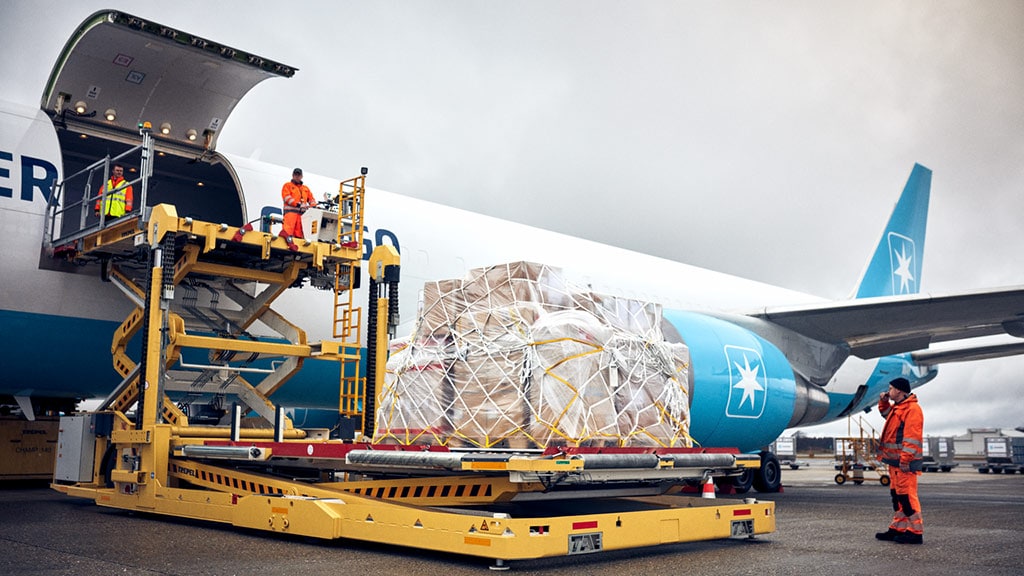
The 5H hold code originates from ACE, which is primarily an ocean cargo system. However, air freight can face similar administrative holds under different codes (e.g., 5H may appear in air manifests for certain integrated carriers). If your air shipment receives a hold that prevents release, you can apply for reconsideration using the same principles: gather documents, engage a broker, and file a request with the CBP port where the air cargo arrived. For air shipments, speed is even more critical because storage fees at air cargo terminals can exceed $200 per day, and time-sensitive goods like fashion apparel or electronics may miss sales windows entirely. Using a freight forwarder that offers proactive compliance checks before departure is the best prevention.
In addition, for high-value air shipments, some carriers offer expedited reconsideration services for an additional fee. While this adds cost, it may be worthwhile for goods with tight launch schedules.
How to Prevent 5H Holds in the First Place?
Prevention is always cheaper than cure. Based on analysis of 2025-2026 5H hold data from the National Customs Brokers & Forwarders Association of America (NCBFAA), the following preventive measures reduce 5H risk by over 70%:
| Preventive Action | Risk Reduction | Implementation Difficulty |
|---|---|---|
| Pre-shipment document audit by licensed broker | 85% | Low (outsource to broker) |
| ISF filing at least 72 hours before vessel loading | 65% | Moderate |
| Using consistent HS codes across all shipments | 70% | Low |
| Maintaining a compliant C-TPAT program | 50% | High (long-term investment) |
Without a doubt, the single most effective step is to work with a customs broker who performs a pre-submission compliance review. Such reviews catch discrepancies before the ACE system does, allowing corrections to be made proactively. For sellers shipping oversized goods or using cabinet (FCL) services, partnering with a certified carrier like AMERICAN NEW LOGISTICS (Amazon SPN/FIST, Wayfair/TEMU certified) adds an extra layer of compliance assurance.
Conclusion
Understanding how to apply for customs reconsideration when encountering 5H inspection is an essential skill for any cross-border e-commerce seller shipping from China to the United States. While the process may seem daunting, it follows a clear, logical path: obtain the hold notice, audit your documents, assemble a complete evidence package, and submit through a licensed customs broker. Real-world case studies confirm that reconsideration success rates are high for clerical errors and moderate for valuation disputes, though IP-related holds remain challenging.
Nevertheless, the best strategy is prevention. By conducting pre-shipment compliance checks, filing ISF on time, and working with experienced logistics partners, you can avoid the pain of a 5H hold entirely. However, if you do receive a hold, remember that CBP provides a legal avenue for reconsideration, and many importers have successfully navigated it.
If you are currently facing a 5H hold and need expert assistance, the team at AMERICAN NEW LOGISTICS is ready to help. Our in-house clearance specialists have resolved hundreds of 5H cases across major U.S. ports, using proven reconsideration templates and direct port relationships. Contact us today for a free consultation, and let us help you get your cargo moving again.
Frequently Asked Questions (FAQ)
1. Can I file a customs reconsideration myself without a broker?
Yes, but it is not recommended. Brokers have ACE access and port relationships that speed up the process significantly.
2. Is there a fee to apply for customs reconsideration for a 5H hold?
CBP does not charge a filing fee, but your broker may charge a service fee of $150-$350 per protest.
3. What if CBP denies my reconsideration request?
You can appeal to the CBP Office of Trade within 60 days, or file a lawsuit in the Court of International Trade.
4. How long does CBP have to respond to a formal protest?
CBP has 30 days to issue a decision on a protest, though informal reconsiderations may take longer.
5. Can I submit new evidence after filing a reconsideration?
Yes, you can submit supplemental evidence at any time before CBP issues a final decision.
6. Does a 5H reconsideration request stop demurrage fees from accruing?
No, demurrage continues until the container is returned. Request terminal free-time extensions immediately.
7. Are 5H holds common for LCL (Less than Container Load) shipments?
Yes, LCL shipments face similar risk. The hold applies to the master bill of lading, affecting all co-loaded cargo.
8. What is the difference between a protest and a reconsideration request?
A protest is a formal legal challenge (CBP Form 19); reconsideration is often an informal request to review the hold decision.