AMERICAN NEW LOGISTICS It is an international logistics comprehensive service provider registered in Los Angeles, California, USA
 Chinese

Leaf Blower Transportation Plan: Ultimate Guide to EPA & Battery ComplianceRelease time:2026-06-10 views:832
A resilient leaf blower transportation plan to the USA must address two regulatory bottlenecks: EPA emission compliance for gas engines and Class 9 Dangerous Goods (DG) shipping protocols for lithium-ion units exceeding 100Wh. To minimize multi-modal transit costs, long-axis lawn equipment should leverage ocean freight (FCL/LCL) for head-haul transport via FMC-bonded digital NVOCC carriers. Upon landing at West Coast gateways like Los Angeles or Long Beach, the cargo must bypass standard parcel networks—which penalize irregular dimensions with severe oversize surcharges—and instead utilize dedicated overseas warehouse de-consolidation followed by palletized LTL card-distribution to distribution hubs.
Navigating the complex regulatory landscape of importing outdoor power equipment into the United States requires a highly structured logistical layout. For manufacturers and top-tier cross-border merchants, establishing a bulletproof leaf blower transportation plan is not simply about tracking marine bunker rates; it is about mitigating terminal customs detention risk, avoiding punitive final-mile residential courier adjustments, and ensuring compliance across dynamic digital commerce environments.
The core energy Architecture of your product dictates its entire legal and structural journey from Asian manufacturing lines to American consumers. Misclassification at the time of automated manifest filing triggers immediate freight holdorders at the port of discharge.
Any landscape machinery utilizing a small spark-ignition engine must conform to the Clean Air Act administered by the U.S. Environmental Protection Agency (EPA). Before booking maritime equipment, your digital customs broker must verify that the manufacturing batch has a valid EPA Certificate of Conformity. During the customs clearance sequence, an EPA Form 3520-21 must be digitally mapped via the Automated Commercial Environment (ACE). Crucially, the physical emissions control label permanently riveted to the engine block must perfectly replicate the alphanumeric configurations stated on your certificate.
High-capacity battery-operated handheld tools typically deploy lithium-ion configurations classified under UN3481 (Lithium-ion batteries packed with or contained in equipment). Under the Hazardous Materials Regulations codified in 49 CFR, packs exceeding 100Wh require a formalized Material Safety Data Sheet (MSDS), a verified UN38.3 test log, and standard dangerous goods packaging compliance. Ocean carriers impose fixed dangerous goods surcharges on these items, and terminal staging areas group them away from consumer general cargo to contain thermal runaway risks.
Leaf blowers inherently present low bulk-density and highly elongated product profiles due to their standard elongated velocity nozzles. This specific shape frequently triggers dimensional weight penalties and multi-tiered operational barriers during cross-border transit.
The structural vulnerability of blowers lies in the plastic housing and clip-on air tubes. When subjected to the violent motion of multi-modal maritime transport, inadequate protection leads to structural failure before product distribution begins.
Establishing an effective leaf blower transportation plan requires a careful evaluation of transit options. The following cost and risk allocation matrix outlines the trade-offs across common multi-modal shipping structures:
| Logistics Mode | Average Transit Window | Primary Regulatory Risk | Cost Efficiency Ranking |
|---|---|---|---|
| Premium Express Ocean (e.g., Matson) | 11 - 14 Days | Battery Label Verification Delay | Moderate / Balanced |
| Standard FCL Sea Freight (COSCO/OA) | 22 - 32 Days | EPA Engine Matching Examination | Optimal for High Volume |
| Deferred LCL Consolidation | 35 - 45 Days | Cross-contamination Staging Holds | Low for Large Geometries |
| Scheduled airfreight Routing | 3 - 5 Days | IATA Dangerous Goods Rejection | Inefficient / Emergency Only |
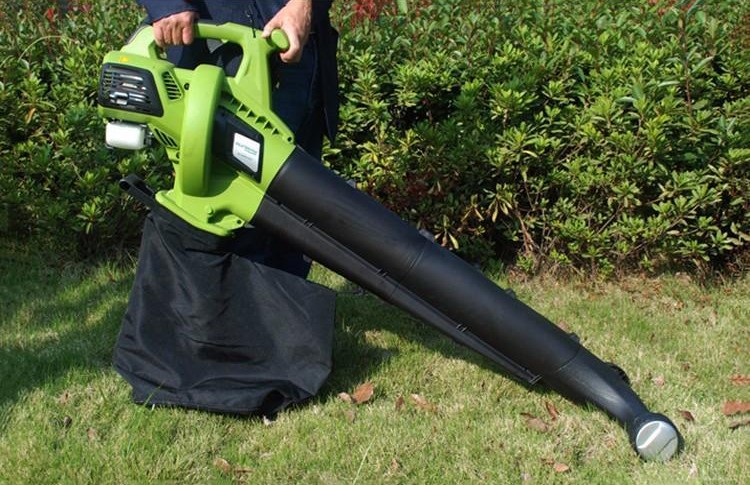
In August 2025, our specialty logistics desk took over a complex recovery operation for an elite lawn-care brand importing 4,200 units of professional-grade backpack leaf blowers from Ningbo to Los Angeles Port. The manufacturer’s previous freight partner failed to submit the required EPA engine configuration code matching into the ACE system 48 hours prior to vessel arrival, which triggered an immediate U.S. Customs and Border Protection (CBP) intensive hold at the terminal.
The container sat grounded at the port of Los Angeles, racking up demurrage fees of $450 per day. To prevent a catastrophic multi-week delay and subsequent supply chain failure for their online channels, our team intervened using our dedicated NVOCC status and FMC-licensed clearing network. We coordinated with the terminal authorities to secure an authorized bonded shunting permit, allowing us to safely move the cargo under seal directly to our near-port warehouse facility.
Once inside our secure facility, our team quickly extracted the certified engine technical log data and resubmitted the corrected ISF filing parameters to CBP, resolving the compliance issue in under 72 hours. To minimize further impact on the client's distribution timeline, we abandoned the high-cost parcel distribution strategy and ran the cargo through our integrated de-consolidation program. The leaf blowers were organized by zip code, securely palletized, and routed directly through our fleet of contract LTL carriers, ensuring seamless delivery to their domestic partner centers.
To consistently execute a smooth transport cycle during seasonal retail surges, your operational blueprint should follow a highly structured step-by-step sequence:
Major distribution platforms enforce strict, distinct operational frameworks that your logistical strategy must account for to avoid incoming inventory rejections.
Amazon enforces strict limits on carton weight and pallet alignment for its inbound network. Carton packages containing lithium batteries must display unambiguous hazardous warning symbols on two opposing faces. As an approved Amazon SPN and FIST carrier, AMERICAN NEW LOGISTICS coordinates directly with the Carrier Central system to manage high-volume drop-trailer operations, helping you avoid standard Amazon appointment delays.
Wayfair’s large-scale furniture and home goods network places a premium on package drop-testing compliance. Outer retail boxes must meet strict structural standards to handle multi-stage cross-docking without splitting. For merchants utilizing TEMU or SHEIN warehouse models, keeping carton sizing consistent is critical to avoiding automated dimensional penalties during incoming dock scans.
| Platform Option | Inbound Dimension Limits | Battery Certification Rules | Primary Inbound Penalty |
|---|---|---|---|
| Amazon FBA Network | Max longest side ≤ 25 inches without surcharge | Mandatory Dangerous Goods Registration | Appointment Deletion / Return |
| Wayfair Fulfillment Hubs | Tailored for heavy, oversized cargo profiles | Full MSDS Sheet Registry | Chargebacks for Carton Damage |
| TEMU & SHEIN Platforms | Strict volumetric checking limits | Compliance Validation Mandate | Inventory Rejection / Cost Offsets |
Successfully importing lawn equipment into the United States requires managing more than just standard maritime container freight. It demands a highly structured approach to product compliance, strategic mid-stream transloading, and careful optimization of final-mile delivery routes. By matching engine and battery certifications directly to the billing paperwork and utilizing a hub-and-spoke delivery network, your brand can bypass costly parcel delivery penalties and eliminate unnecessary customs delays. Partnering with an experienced, asset-supported logistics specialist can transform a complex compliance challenge into a distinct, scalable competitive advantage.
Unsure if your current packaging layout triggers expensive oversize carrier surcharges? Worried about potential EPA clearance holds at West Coast ports?
Hot News