AMERICAN NEW LOGISTICS It is an international logistics comprehensive service provider registered in Los Angeles, California, USA
 Chinese
Vending Machine Shipping to the United States: Logistics & ComplianceRelease time:2026-06-11 views:923
Shipping commercial automated retail systems across the Pacific involves more than simply arranging space on an ocean vessel. Because these machines are heavy, top-heavy, and packed with delicate electronic parts, they face strict regulatory scrutiny at the United States border. Importers frequently encounter hidden financial risks, including unexpected customs delays or physical damage during transit. If your supply chain relies on safe, predictable delivery timelines, you must understand the interplay between physical cargo protection and federal regulatory compliance.
Navigating the shipping ecosystem requires clear coordination between the manufacturing facility, the freight forwarder, and domestic distribution networks. Established in 2008, AMERICAN NEW LOGISTICS (ANL) has spent nearly two decades refining cross-border supply chains. We manage specialized transport workflows to move heavy, high-value commercial assets safely from Asian manufacturing hubs to final destinations across the United States.
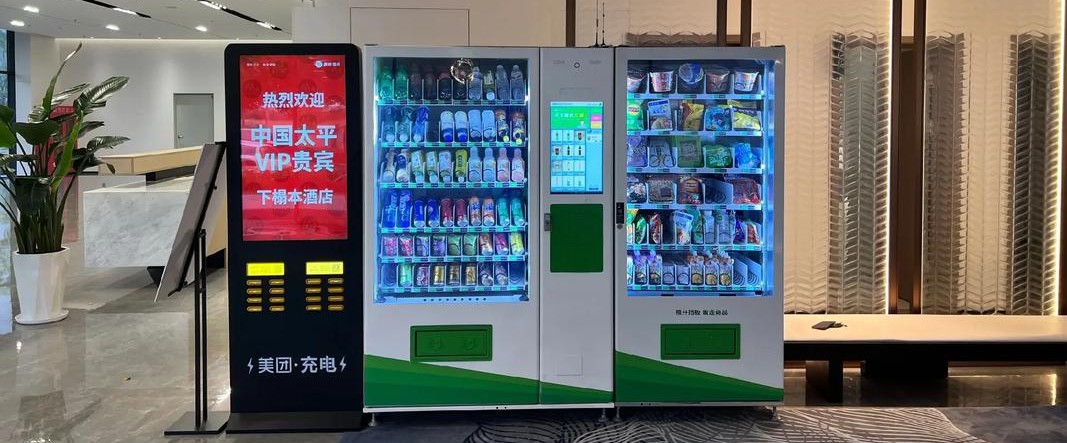
Vending machines are notoriously difficult to transport because of their physical configuration. They feature a high center of gravity, heavy internal components like coin mechanisms or compressors, and large glass front panels. Standard shipping methods used for palletized consumer goods often fail when applied to these units. If a container encounters rough seas, poorly secured machines can shift, causing severe internal component failure or exterior damage.
To mitigate these structural risks, our logistics teams mandate specific packaging standards before cargo arrives at our loading docks. Standard bubble wrap is insufficient. Every unit must be secured to a heavy-duty, four-way forklift entry wooden pallet that exceeds the machine's footprint by at least two inches on all sides. This extra base prevents adjacent cargo from scratching the machine's exterior housing during transit.
Heavy-duty strapping must anchor the machine directly to the pallet core. We require factories to install custom wooden internal bracing for high-capacity machines to immobilize internal dispensing tracks. Vapor-barrier vacuum packaging is also critical; it prevents salt-air corrosion from damaging internal logic boards during the 15-to-30-day ocean voyage across the Pacific.
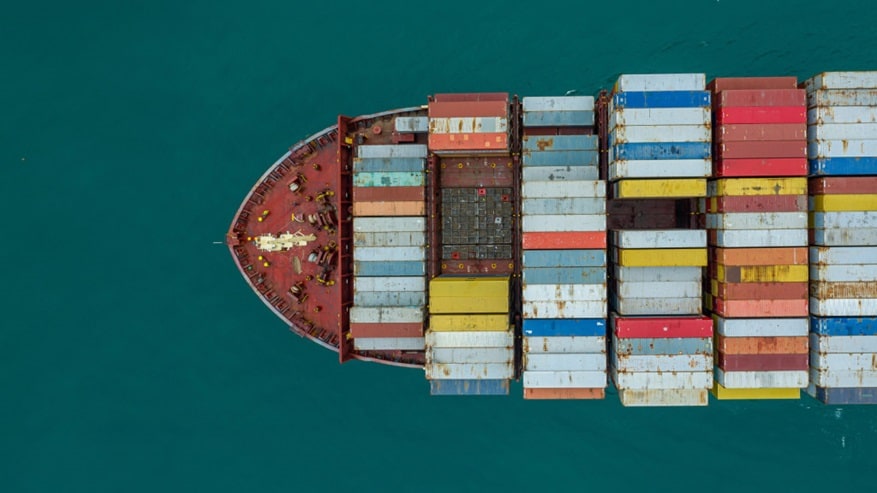
Choosing the right shipping method depends on your order volume and budget constraints. For importers moving more than six standard-sized smart kiosks, cabinet shipping via FCL (Full Container Load) is almost always the most secure and cost-effective option. FCL keeps your freight sealed inside a single container from the factory floor directly to your warehouse, eliminating intermediate handling risks.
If you are testing a new market or importing custom prototypes, you will likely rely on LCL (Less than Container Load) seafreight. However, traditional LCL consolidation can be risky for fragile commercial machinery. Standard consolidators pack heavy machinery next to unpredictable cargo types, increasing the risk of punctures or crushing forces.
To address this risk, ANL runs dedicated, asset-backed consolidation lines for oversized and commercial equipment. This ensures your machines are grouped with compatible freight, reducing the risk of transit damage. The table below outlines the structural trade-offs between standard ocean routing options:
| Freight Mode | Risk Level | Ideal Volume | Handling Touchpoints |
|---|---|---|---|
| FCL (20GP / 40HQ) | Low | > 6-14 Units | 2 (Load & Unload) |
| Premium LCL | Moderate | 1 - 5 Units | 4 (Consolidation Hubs) |
| Standard Air Freight | Minimal | Prototypes / Urgent | 4 (Airport Terminals) |
Importers often struggle with regulatory compliance during customs entry. Modern vending machines are complex systems that combine refrigeration hardware, computing components, and wireless payment infrastructure. Consequently, a single unit may fall under the jurisdiction of multiple federal agencies during customs clearance.
First, identify your primary Harmonized Tariff Schedule (HTS) code. Most automated snack or beverage machines fall under HTS heading 8476. Base duty rates vary between 0% and 3.5%, but you must check for Section 301 tariffs on Chinese-origin goods, which can add up to 25% in additional duties.
Next, evaluate federal partner government agencies (PGAs). If your machines include integrated refrigerated cooling systems, you must submit Environmental Protection Agency (EPA) Form 3540-1. This form proves the equipment uses approved refrigerants like R290 or R134a and complies with the American Innovation and Manufacturing (AIM) Act. Importing machines with unapproved cooling gases will lead to immediate seizure by U.S. Customs and Border Protection (CBP) at the port of entry.
Smart vending machines rely on digital infrastructure to track inventory, process payments, and run interactive touchscreen displays. Because these components emit radio frequency energy, they must comply with the Federal Communications Commission (FCC). Your freight forwarder must file an FCC Form 740 or submit a valid Supplier’s Declaration of Conformity (SDoC) during customs entry.
If your machines use cellular modems or Wi-Fi routers to connect to the internet, these parts must carry explicit FCC ID registrations. U.S. customs brokers cannot complete entry declarations without this documentation. If your paperwork is incomplete, your cargo will be sent for an intensive CBP exam, which can cost thousands of dollars in storage fees.
Additionally, make sure your payment hardware complies with the Americans with Disabilities Act (ADA). While CBP does not inspect for ADA compliance at the border, local state inspectors and commercial buyers will verify these measurements before installation. All operable parts, including coin slots and touchscreens, must be placed within accessible reach ranges, typically between 15 and 48 inches from the ground.
In October 2025, an automated retail startup approached us after their shipment of 12 smart refrigerated vending machines was held at the Port of Long Beach. Their previous logistics provider filed the entry under an incorrect generic machinery HTS code, which triggered a red flag during the Importer Security Filing (ISF) matching process. The container was flagged for an intensive CBP Tailgate Exam, and custom officials discovered the units contained R134a refrigerant without an accompanying EPA declaration.
Our customs brokerage team stepped in immediately. We re-classified the cargo under the correct HTS code (8476.21.0000), gathered the factory's technical specifications, and filed the retroactive EPA Form 3540-1 within 72 hours. We also provided the FCC SDoC documents for the integrated 21-inch touchscreens. By coordinating directly with the centralized examination station (CES), we secured the container's release, saving the client from escalating demurrage fees that were already running at $450 per day.
To avoid unexpected transit delays, follow a structured, step-by-step logistics plan. The process begins months before the vessel departs and continues until the cargo is safely delivered to its final destination.
The journey across the ocean is only part of the challenge. The final stage of the journey—moving your cargo from a domestic warehouse to the final installation site—is often where unexpected costs occur. Vending machines can weigh anywhere from 600 to 1,500 pounds, meaning standard delivery trucks cannot unload them safely.
Standard delivery trucks assume access to a commercial loading dock. If your delivery destination is a retail mall, university, or corporate campus, you must specify a liftgate truck. Ensure the liftgate's weight capacity exceeds the combined weight of your machine, the pallet, and the pallet jack.
Furthermore, standard delivery drivers only drop freight at the curb. For high-value machinery, you should arrange comprehensive inside delivery services. ANL's final-mile network coordinates specialized crews equipped with stair-climbing hand trucks, protective floor runners, and temporary rigging tools to position your equipment exactly where it needs to go without damaging the property.
| Risk Event | Root Cause | Financial Impact | ANL Mitigation Strategy |
|---|---|---|---|
| Late ISF Filing | Data delayed by factory | $5,000 CBP fine per occurrence | Automated document verification 72 hours before sailing |
| Refrigerant Seizure | Missing EPA Form 3540-1 | Cargo forfeiture / Port destruction | Pre-shipment technical document auditing |
| Internal Component Damage | Inadequate internal bracing | Complete product loss | Mandatory crating and shock-indicator installation |
When requesting quotes for vending machine shipping to the United States, you must choose the right Incoterms. For many businesses, Delivered Duty Paid (DDP) offers the simplest experience. Under DDP terms, the freight forwarder handles everything—including international freight, customs duties, Section 301 tariffs, and final-mile delivery—and includes all these costs in a single upfront price.
However, for large-scale enterprise deployments, Delivered at Place (DAP) can provide better financial transparency. Under DAP, you use your own customs bond to pay duties directly to CBP. This allows you to track every fee precisely and can help optimize your cash flow.
ANL supports both DDP and DAP shipping structures. We provide clear, itemized cost breakdowns so you can choose the right option for your business. Whether you need an all-inclusive DDP shipping solution or a tailored corporate logistics plan, we help you avoid hidden fees or unexpected costs at the port.
Successfully managing vending machine shipping to the United States requires careful attention to both physical packaging and legal compliance. By protecting your cargo from the physical strains of ocean transit and ensuring your paperwork meets FCC, EPA, and CBP regulations, you can prevent costly delays and keep your supply chain running smoothly.
Avoid expensive customs holds, unexpected tariffs, and shipping damage. Contact our logistics team for a comprehensive consultation on customs compliance and a precise shipping cost evaluation tailored to your cargo's dimensions.
1. What is the typical transit time for ocean shipping from China to the US West Coast?
Standard port-to-port ocean transit takes 14 to 18 days. Total door-to-door delivery usually takes 22 to 30 days, depending on customs clearance times.
2. Do I need an import license to ship vending machines into the United States?
You do not need a specific license, but you must have a valid Continuous Customs Bond to clear shipments through CBP.
3. Can vending machines that contain liquid products be shipped with the liquids inside?
No. All machines must be completely drained of liquids before shipping to prevent water damage, mold, and weight imbalances during transit.
4. How can I protect smart vending machine touchscreens from cracking during transit?
Factories should apply high-density foam sheets directly over the glass panels and use wooden crates to shield screens from external impacts.
5. What happens if my vending machine fails an FCC border inspection?
CBP will hold the cargo at a secure warehouse. You will have a limited window to provide valid compliance documentation before the shipment faces seizure.
Hot News