AMERICAN NEW LOGISTICS It is an international logistics comprehensive service provider registered in Los Angeles, California, USA
 Chinese

How Can You Ship a Pruning Machine by Sea to the United States?Release time:2026-07-13 views:964
To ship a pruning machine by sea to the United States, you must navigate specific technical, environmental, and safety regulations. Gas-powered pruning machines require mandatory EPA (Environmental Protection Agency) certification to clear US Customs. Electric models with lithium-ion batteries must have UN38.3 test reports and safety data sheets (MSDS) to ship legally via dangerous goods (DG) or non-DG ocean freight channels. Because these machines are typically oversized and heavy, choosing between FCL (Full Container Load) and LCL (Less than Container Load) combined with overseas warehousing and LTL (Less-than-Truckload) final delivery is essential to avoid massive carrier surcharges.
Exporting agricultural and garden machinery to the North American market presents huge opportunities, but it also comes with tight regulatory scrutiny. If you are preparing to have a pruning machine shipped by sea to the United States, you cannot treat it like ordinary consumer goods. A minor mistake in engine certification, battery compliance, or packaging can result in your shipment being seized by U.S. Customs and Border Protection (CBP) or turned away at the port.
At ANL (American New Logistics Service Co., Ltd.), we have spent nearly two decades helping global manufacturers and e-commerce sellers safely navigate the complex waters of trans-Pacific logistics. In this professional logistics breakdown, we will examine the exact steps, regulatory hurdles, and cost-efficiency models required to bring pruning machinery successfully into the US.
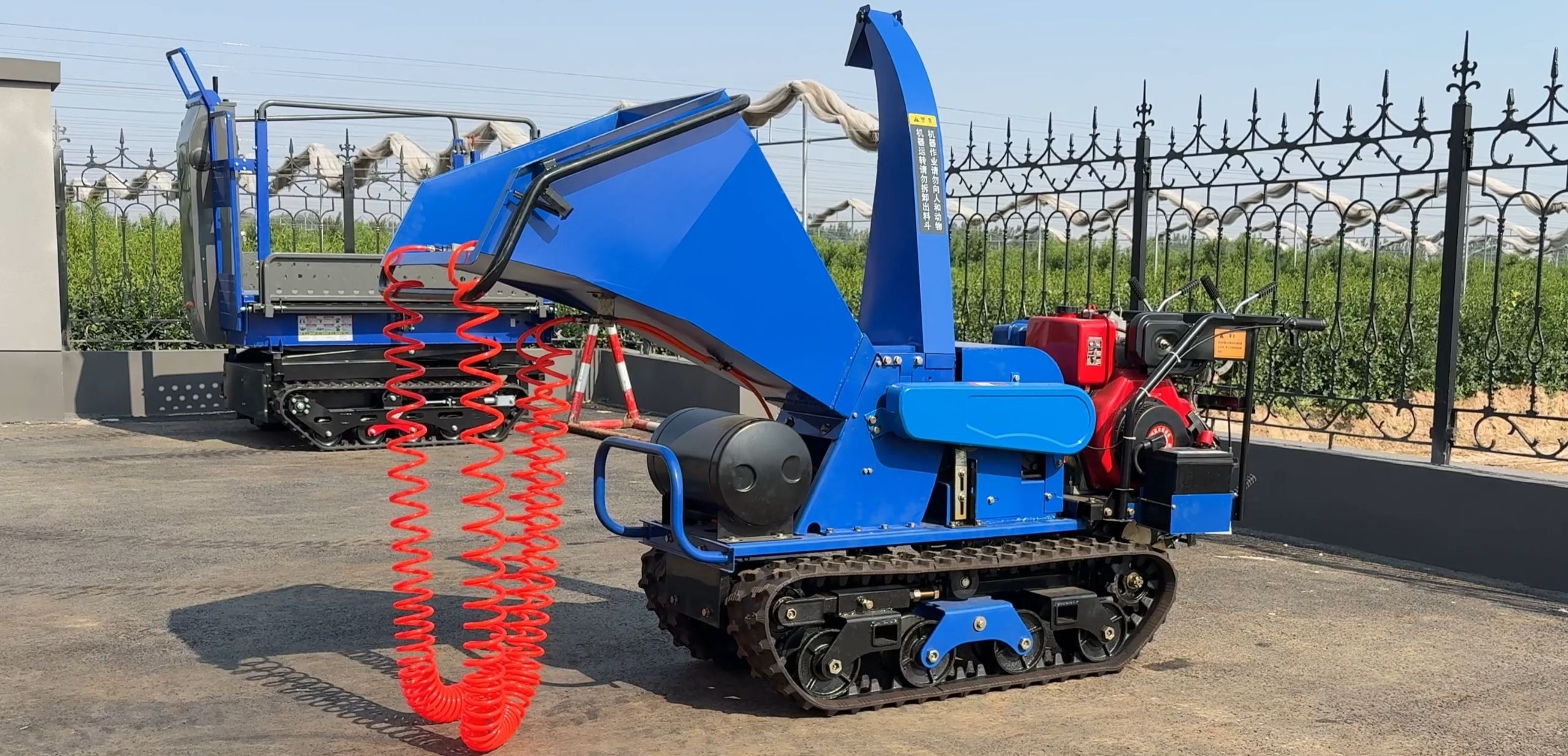
If your pruning machines are powered by small spark-ignition gasoline engines (such as pole pruners, hedge trimmers, or heavy-duty agricultural brush cutters), the single most critical document is the EPA Certificate of Conformity. The U.S. Environmental Protection Agency strictly regulates non-road spark-ignition engines to control emissions.
Without an EPA certificate, CBP officers at ports like Los Angeles or Tacoma will hold your container indefinitely. Do not rely on "generic templates" or assume the customs broker can bypass this. Every single engine must carry a physical, tamper-resistant EPA emission control label printed in English, showing the engine family name, displacement, and conformity statement.
If you purchase from a supplier in China, you must verify that their engine factory holds an active EPA license for the current model year. If they do not, you cannot legally import the machines into the United States.
Modern electric pruning shears are highly popular, but they rely on high-capacity lithium-ion batteries. Under international maritime laws (IMDG Code), lithium batteries are classified as Class 9 Dangerous Goods. Shipping them requires meticulous documentation and specialized booking.
To qualify for seafreight transportation, you must provide:
Depending on whether the lithium battery is "contained in equipment" (installed inside the pruner) or "packed with equipment" (removable batteries in the same retail box), the shipping classification changes from UN3481 to UN3480. UN3480 (loose batteries) is treated with much higher safety scrutiny and often requires specialized DG shipping containers, which incur higher freight rates.
Determining your financial viability requires calculating your landed cost. This starts with correct HTS (Harmonized Tariff Schedule) classification. Misclassifying your machinery to "evade" high duties is a major red flag for customs audits and can result in severe retroactive penalties.
Pruning machines and similar garden tools generally fall under HTS Chapter 84:
| Equipment Type | US HTS Code | Base Duty Rate | Section 301 Tariff |
|---|---|---|---|
| Hand-held Chain Saws (Gasoline) | 8467.81.0000 | Free | 25% |
| Electric Hedge Trimmers / Shears | 8467.21.0010 | 3.7% | 25% |
| Agricultural & Forestry Pruning Tools | 8467.89.5060 | Free | 25% |
Note on Section 301 Tariffs: Pruning machines manufactured in China are subject to Section 301 retaliatory tariffs. This adds a substantial 25% tariff on top of the standard base rate. Utilizing a reliable customs broker to review HTS eligibility is critical to avoiding overpayment.
The physical profile of your cargo dictates your shipping strategy. Small electric pruners are compact and fit neatly into master cartons on pallets, making them excellent candidates for LCL (Less than Container Load) shipping. Large commercial tree pruning machines or hydraulic tractor attachments, however, are highly irregular, heavy, and bulky, which usually warrants cabinet (FCL - Full Container Load) shipping.
Let's look at the functional trade-offs between FCL and LCL for machinery:
This is where many importers lose their entire profit margin. If you are shipping to Amazon FBA, a retail shop, or directly to a residential buyer's door, the final mile (tail-end delivery) is a minefield of hidden surcharges.
For instance, standard parcel networks like UPS or FedEx ground have strict weight limits (150 lbs) and girth limits. If your packaged pole pruner or commercial mower exceeds these limits, you face "Over Maximum Limits" fees that can easily reach $650 to $1,000 per package.
The smart solution is to bypass standard ground networks entirely for heavy units:
In October 2025, we handled a shipment of 85 units of industrial gasoline-powered tree pruners shipped from Ningbo to the Port of Seattle. The importer had acquired the machinery from a reputable manufacturer who claimed their engines were "EPA compliant."
Upon arrival, CBP flagged the shipment for a physical intensive examination. They discovered that while the manufacturer did possess an EPA certificate, the physical emission labels on the actual engines were missing the mandatory EPA engine family code due to a manufacturing oversight.
The shipment was immediately detained. To prevent a forced seizure or an expensive re-exportation order, ANL stepped in. We coordinated with the engine manufacturer to obtain the official EPA Certificate of Conformity and a certified engineering declaration linking the physical engine serial numbers directly to that certificate. We negotiated with the port authorities to allow our certified customs clearance team to supervise the formal appeal process.
Through swift action, we secured the release of the cargo without penalties, saving the client thousands in daily demurrage fees. This illustrates why verifying physical labeling *before* the container leaves China is non-negotiable.
To keep your supply chain running smoothly, you must follow a highly disciplined logistical sequence. Skipping even a single document can halt your container for weeks.
Shipping pruning machines by sea to the United States requires navigating a highly regulated corridor of environmental, safety, and physical logistics challenges. Attempting to run this process on autopilot is a high-risk gamble. Partnering with a dedicated partner like ANL ensures your machinery is classified correctly, conforms perfectly to EPA and CBP guidelines, and reaches its final destination without facing unexpected surcharges or terminal storage delays.
Don't let EPA gaps or incorrect HTS classifications freeze your supply chain. Let our expert customs compliance team run a pre-shipment risk assessment on your pruning equipment.
Request a Free Shipping & Compliance AuditQ1: Can I ship pruning machines with built-in batteries via standard LCL sea freight?
Yes, but they must be booked as Class 9 dangerous goods (UN3481) with valid MSDS and UN38.3 test reports.
Q2: What is the fine for shipping gas-powered pruners without EPA approval?
CBP can seize the shipment, issue fines up to $37,500 per non-compliant engine, and mandate cargo destruction.
Q3: How long does sea shipping take from China to the US West Coast?
Fast ocean services like Matson take 11 to 15 days, while standard slow-boat carriers take 18 to 25 days.
Q4: Are wood pallets required to have fumigation stamps for US imports?
Yes, all solid wood packaging must carry the IPPC ISPM 15 stamp showing appropriate heat treatment.
Hot News