Chinese

To choose the right cross-border logistics, commercial importers must analyze product physical characteristics, compliance profiles, and the forwarder's asset ownership. Standard goods thrive on LCL/FCL ocean shipping with transloading, while high-value, regulated, or oversized machinery requires direct-drayage, asset-backed DDP pathways. Shippers should avoid paper-only brokers and instead prioritize providers owning direct carrier contracts, dedicated customs bonds, private container freight stations (CFS), and local drayage fleets. This prevents terminal demurrage, minimizes cargo touchpoints, and guarantees reliable, scheduled final-mile delivery.
Establishing an international supply chain requires managing volatile spot rates, shifting vessel capacities, and complex regulatory environments. When you scale your operations, understanding how to select a transport partner becomes a make-or-break business decision. A poor choice does not just delay inventory; it triggers expensive port penalties, ruins retail relationships, and drains your capital.
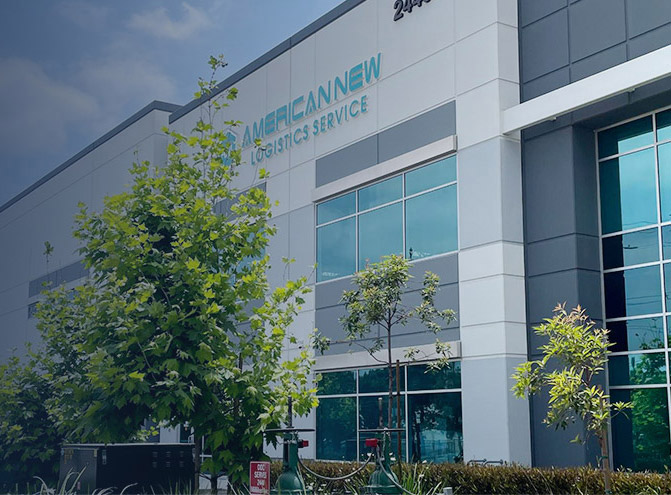
At AMERICAN NEW LOGISTICS (ANL), we have spent nearly two decades constructing private infrastructure across North America. We have learned that reliable logistics relies on owning and controlling the physical assets that move your cargo. This strategic guide bypasses the generic advice to show you exactly how to analyze, audit, and choose a logistics framework that protects your business.
Why Does Asset Ownership Dictate Cross-Border Logistics Success?
The international freight forwarding industry is crowded with non-vessel operating common carriers (NVOCCs) and digital brokers who do not own a single truck, chassis, or warehouse. When cargo volumes surge or ports experience labor disruptions, these paper-only brokers lose all operational leverage.
When choosing a logistics partner, you must distinguish between asset-light brokers and asset-backed logistics providers. An asset-backed partner owns and controls the infrastructure at critical transfer points. This ownership directly impacts your shipping performance:
- · FCL (Full Container Load) agreements managed by asset owners bypass spot-market rate spikes. If your partner has direct service contracts with major ocean carriers, they can guarantee space during peak shipping seasons.
- · For smaller, consolidated shipments, LCL (Less than Container Load) cargo requires stable terminal handling. A provider with their own Container Freight Station (CFS) can quickly unload containers, avoiding the typical delays of shared public warehouses.
- · Choosing a DDP (Delivered Duty Paid) shipping model requires your provider to have direct clearing authority and continuous customs bonds. This keeps your shipment moving smoothly through ports without unexpected compliance holds.
- · Your provider's WMS (Warehouse Management System) should integrate directly with local trucking dispatch. This ensures immediate visibility the moment your container lands, allowing for faster transport to its final destination.
How Do You Match Cargo Profile to the Correct Freight Mode?
A common mistake is using a single logistics mode for every product type. To optimize your supply chain, you must analyze your cargo's physical dimensions, shelf life, and profit margins to determine the most cost-effective shipping method.
High-volume, stable inventory is best suited for ocean transit, whereas time-sensitive, high-margin electronics require the speed of air shipping. The following matrix shows how to match your cargo profile with the right transportation mode:
| Cargo Characteristics | Recommended Freight Mode | Average Transit Window | Core Operational Focus |
|---|---|---|---|
| High-value, time-critical, <500 kg | Premium Express Air Freight | 3 - 6 Business Days | Immediate airport recovery and fast-track customs clearance. |
| Standard bulk inventory, stable demand | Standard Ocean Freight FCL | 18 - 25 Calendar Days | Securing equipment at origin and minimizing port drayage times. |
| E-commerce replenishment, mixed SKUs | Ocean Freight LCL / Consolidation | 22 - 30 Calendar Days | Efficient sorting at the CFS and fast delivery to domestic warehouses. |
| Unusually shaped, heavy project cargo | Specialized Open Top / Flat Rack FCL | 20 - 28 Calendar Days | Customized metal bracing, route planning, and heavy-duty trucking. |
When utilizing seafreight channels, your choice between LCL and FCL directly affects your cargo's safety. For delicate, high-value, or oddly shaped items, purchasing a dedicated cabinet (FCL) prevents damage from shifts in transit, since you avoid mixing your cargo with other shippers' heavy freight.
What Compliance Risks Invisible to Beginners Can Crash Your Supply Chain?
Importers often focus on comparing basic shipping rates while ignoring compliance requirements. This oversight can quickly lead to unexpected delays and severe financial penalties at the border.
U.S. Customs and Border Protection (CBP) enforces import regulations for numerous Partner Government Agencies (PGAs). If your logistics provider lacks specialized compliance expertise, they may overlook critical document filings:
- 1. Federal Communications Commission (FCC) Filings: Any electronic product with wireless, Bluetooth, or cellular capabilities must have its FCC ID validated during the customs entry process. Failing to submit these filings will result in immediate cargo holds.
- 2. Lacey Act Wood Declarations: If you import wood-structured items, you must submit a plant declaration detailing the scientific genus, species, and harvesting location of the wood. Non-compliance can lead to cargo seizures.
- 3. EPA Emissions Verification: Motorized equipment and gasoline engines require active Certificates of Conformity. Without proper EPA tags, your cargo cannot legally enter the country.
To prevent these compliance issues, your logistics provider must run pre-shipment classification audits. This includes verifying HTS codes and checking that all product packaging complies with domestic labeling regulations before leaving the origin factory.
Do You Know How to Calculate True Landed Costs in Cross-Border Logistics?
A cheap freight quote often hides unexpected destination fees. When comparing logistics options, you must calculate your total landed cost, which includes all customs clearances, port handling, and final-mile delivery surcharges.
Understanding where hidden fees typically occur helps you accurately compare logistics providers:
| Cost Phase | Common Hidden Surcharges | Financial Risk Level | ANL Mitigation Strategy |
|---|---|---|---|
| Port Operations | Terminal Demurrage, Chassis Splits | High ($350 - $600/day) | Direct terminal drayage within 24 hours using our private truck fleet. |
| Customs Clearance | CBP Examination Station Transfer (CES) | Extreme ($1,200 - $3,500/entry) | Pre-clearance documentation filing 5 days prior to vessel arrival. |
| Tail-End Delivery | Liftgate fees, residential penalties | Medium ($150 - $450/pallet) | Pre-sorting cargo and deploying liftgate-equipped LTL fleets. |
Tail-end logistics can be incredibly expensive if you are shipping oversized cargo. Major parcel carriers charge punitive fees for packages that exceed standard weight and length limits. Utilizing specialized LTL (Less-than-Truckload) carriers with liftgate capabilities ensures safe delivery to commercial job sites or warehouses without triggering unexpected parcel penalties.

Case Study: Delivering a 7-Container Art Stage for Burning Man in 19 Days
To understand the value of direct-drayage and asset control, let's look at a complex project cargo shipment we successfully executed for a high-profile art installation.
Project Success: Direct Drayage to Nevada Desert Job Site
- Origin: Shenzhen, China
- Destination: Black Rock Desert, Nevada (Active Event Site)
- Product: Heavy-duty art stage with mechanical arms and 4-6 built-in fuel generators (OOG)
- Equipment: 7x40ft Special Flat Rack & High Cube containers
- Shipping Method: Direct Sea Freight FCL to Port of Los Angeles + Direct Trucking to Nevada
- Total Cost: $120,000 USD (All-inclusive port-to-door project rate)
- Total Transit Window: 19 Days (15 days ocean, 3 days terminal release, 1 day drayage)
The Strategy: The cargo was highly irregular, heavy, and extremely time-sensitive—if it arrived after the event setup window, the project would be ruined. Instead of choosing a standard brokerage service that would require transloading, we designed a direct, no-transload drayage plan. We collaborated with the client to engineer custom metal loading frames to secure the machinery. Our private truck fleet recovered the special containers from the LA terminal and hauled them 500 miles directly to the Nevada desert job site. The cargo arrived in pristine condition, meeting the event deadline without incurring any port delays or extra handling fees.
Should You Prioritize Port-to-Port Speed or Tail-End Drayage Reliability?
Importers often choose their logistics routes based entirely on port-to-port transit times. However, a fast ocean crossing is meaningless if your container sits on the dock for a week waiting for an available chassis or driver.
To build a resilient supply chain, you must evaluate the entire transport window, focusing particularly on tail-end drayage and warehouse handling. A logistics provider who owns local truck fleets and dedicated chassis pools can recover containers within 24 hours of discharge. This asset-backed approach is far more reliable than relying on independent third-party owner-operators during busy shipping seasons.
What Operational Milestones Define a Reliable Cross-Border Logistics Flow?
When evaluating logistics providers, you should look for a structured operational process that ensures consistency and visibility at every stage of transit. A reliable cross-border shipment follows a clear sequence of steps:
- 1. Pre-Shipment Compliance Audit: Review all HTS classifications, product certifications (FCC, FDA, EPA), and packing standards before the cargo leaves the origin factory.
- 2. ISF 10+2 Filing: Submit the Importer Security Filing at least 72 hours prior to vessel departure to ensure compliance with CBP regulations and avoid costly fines.
- 3. Dedicated Container Loading: Secure the cargo inside the container using specialized packing methods to minimize movement and damage during transit.
- 4. Pre-Arrival Customs Entry: Submit all customs documents 5 days before the vessel arrives to enable immediate release upon discharge.
- 5. Immediate Port Recovery & Transloading: Dray the container to an off-dock facility within 24 hours of landing to bypass terminal demurrage.
- 6. Scheduled Final Delivery: Deliver the cargo directly to the warehouse or job site using liftgate-equipped LTL trucks in strict coordination with your receiving team's schedule.
Conclusion
Choosing the right cross-border logistics strategy requires balancing transit speed, total landed costs, and regulatory compliance. Relying on paper-only brokers or cutting corners on compliance can quickly lead to unexpected delays and severe financial penalties at the port.
By partnering with an experienced, asset-backed logistics provider like ANL, you secure direct control over your supply chain from origin loading to final-mile delivery. To learn more about our logistics solutions, read more on our About page or check out the latest industry updates in our news portal.
Request a Customized Landed Cost & Compliance Audit
Don't risk unexpected port penalties or delivery delays. Our dedicated customs and logistics specialists will analyze your cargo profile, verify compliance regulations, and design an optimized ocean or air shipping blueprint for your business.
Frequently Asked Questions
Q1: What is the main difference between an asset-based logistics provider and a freight broker?
Asset-based providers own and control the physical trucks, chassis, and warehouses, whereas brokers merely act as intermediaries outsourcing all operations.
Q2: What is a customs bond, and why does my business need one?
A customs bond is a legal contract guaranteeing payment of all duties and taxes to CBP. It is mandatory for commercial imports.
Q3: How can I avoid oversized delivery surcharges for large shipments?
Avoid standard parcel networks and instead utilize specialized LTL carriers equipped with liftgates for safe, flat-rate oversized transport.