AMERICAN NEW LOGISTICS It is an international logistics comprehensive service provider registered in Los Angeles, California, USA
 Chinese

DDP Sea Freight to USA: Cost Breakdown, Process & Who Pays WhatRelease time:2026-07-29 views:979
DDP sea freight to the USA means the seller pays all shipping costs, customs duties, and clearance fees, and delivers the goods to the buyer's specified location with all risks and costs covered. Under DDP (Delivered Duty Paid), the seller is responsible for ocean freight, origin and destination charges, US customs duties, ISF filing, customs bond, and final-mile delivery. Typical 40HQ container DDP cost from China to a US warehouse ranges from $8,000 to $18,000 depending on product value, duty rate, and inland destination. The seller assumes all risk until delivery is completed.
DDP sea freight is one of the most commonly requested shipping terms for first-time US importers. It offers simplicity and predictability – a single price, a single point of contact, and no surprise duties or fees upon arrival. But that simplicity comes at a cost. Under DDP, the seller or their forwarder takes on all the risk and responsibility that an importer would normally handle.
Over the past decade, AMERICAN NEW LOGISTICS has handled hundreds of DDP sea freight shipments from China and Southeast Asia to the United States. This guide breaks down exactly what DDP sea freight costs, who does what at each stage, and when DDP makes financial sense. It is based on real shipments, real costs, and real operational experience – not Incoterms theory.
DDP (Delivered Duty Paid) is an Incoterm that places maximum responsibility on the seller. Under DDP, the seller must deliver the goods to the named place of destination – typically the buyer's warehouse or FBA center – with all risks, costs, and duties paid.
For sea freight from China to the USA, DDP includes the following cost components:
The seller must have the necessary documentation – including a US customs bond and an Importer of Record (IOR) arrangement – to clear goods through US customs. This is often the most complex part of DDP sea freight.
The choice between DDP, FOB (Free on Board), and CIF (Cost, Insurance, Freight) determines who pays what and who bears the risk. Here is how they compare.
| Cost/Responsibility | DDP | CIF | FOB |
|---|---|---|---|
| Export customs clearance | Seller | Seller | Seller |
| Ocean freight | Seller | Seller | Buyer |
| Marine insurance | Seller | Seller | Buyer |
| US customs clearance | Seller | Buyer | Buyer |
| US customs duties | Seller | Buyer | Buyer |
| ISF filing | Seller/Forwarder | Buyer | Buyer |
| Final-mile delivery (US) | Seller | Buyer | Buyer |
| Risk transfer point | At delivery | Ship's rail | Ship's rail |
Under FOB, the buyer takes responsibility once the goods are loaded onto the vessel in China. Under CIF, the seller pays for freight and insurance but the buyer handles US customs clearance and duties. Under DDP, the seller does everything.
DDP gives the buyer the least risk but the least control. FOB gives the buyer the most control but the most responsibility. The choice depends on the buyer's experience with US import regulations and their appetite for administrative work.
ISF (Importer Security Filing) – also known as "10+2" – must be filed with CBP at least 24 hours before the vessel departs for the US. Under DDP, the seller or the seller's freight forwarder typically files the ISF.
Here is where it gets complicated. ISF requires a US customs bond. The entity filing the ISF must have a US address and a valid customs bond. A Chinese seller who does not have a US entity cannot file ISF directly. Instead, the freight forwarder must file ISF on the seller's behalf, using the forwarder's bond or the buyer's bond if the buyer has authorized it.
In practice, for DDP sea freight, the freight forwarder acts as the Importer of Record (IOR) or uses a third-party IOR service to file ISF, pay duties, and clear customs. The cost of this service is built into the DDP price.
Missing the ISF filing deadline is a serious error. Late ISF filings trigger penalties of $5,000 per violation. In our experience, ISF-related penalties account for a significant portion of DDP shipment cost overruns – which is why we always flag ISF deadlines in our shipment timelines.
DDP sea freight quotes often look simple – a single price per container. But hidden costs can appear if the shipment runs into problems. Based on our operational experience, here are the most common hidden costs.
Demurrage and Detention: If the container sits at the US port beyond the free time (typically 4-7 days), charges apply at $100-$300 per day per container. DDP sellers absorb these costs. Delays often come from CBP exams or missed FBA appointments.
CBP Exam Fees: If CBP selects the container for examination, additional charges apply – typically $400-$800 for the exam plus any re-stuffing or warehouse fees. A full exam can add $2,000-$3,000 to the shipment cost.
Additional Duties or Tariffs: If the HTS classification is challenged by CBP and reclassified, higher duties may apply. The DDP seller must absorb the difference.
FBA Appointment Cancellation Fees: If the DDP shipment is destined for Amazon FBA and the appointment is cancelled or missed, rescheduling fees apply. Some warehouses charge $300-$500 per missed appointment.
Fuel Surcharges: Ocean carriers and trucking companies apply fuel surcharges that fluctuate with oil prices. These are typically passed through even in DDP quotes – often with a catch-up clause if rates change during transit.
A DDP quote is never truly fixed unless the forwarder explicitly guarantees all costs including contingencies. We recommend clients ask for a "guaranteed all-in" quote with specific exclusions clearly stated.
DDP is not always the best choice. Here is a decision framework based on our experience working with hundreds of importers.
DDP is worth considering when:
FOB or CIF may be better when:
Quick rule of thumb: For first-time importers shipping less than 5 containers per year, DDP often makes sense despite the premium. For experienced importers shipping 10+ containers per year, FOB with a dedicated customs broker is usually more cost-effective.
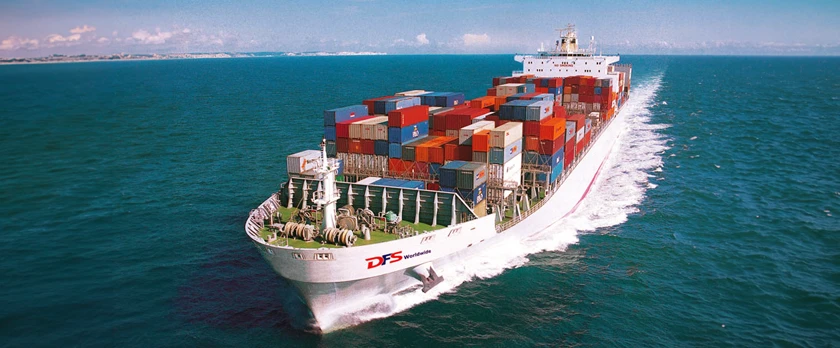
Here is how a DDP sea freight shipment actually works from origin to destination, based on ANL's operational process.
Total timeline: 30-50 days depending on port of departure, destination, and CBP exam status.
For a DDP sea freight shipment, the following documentation must be prepared before the vessel departs.
Customs clearance under DDP requires a broker who understands both the product category and the Importer of Record structure. ANL has an in-house brokerage team that handles DDP sea freight clearance for hundreds of containers per year.
Based on our operational experience, here are the five biggest risks in DDP sea freight and how to mitigate them.
Risk 1: CBP Exam and Delays – CBP exams add 5-14 days and incur demurrage and exam fees.
Mitigation: Ensure accurate HTS classification and product descriptions. Pre-file ISF correctly. Work with a broker who proactively flags potential triggers.
Risk 2: Duty and Tariff Changes – Section 301 tariffs, anti-dumping duties, or other trade remedies can increase costs significantly.
Mitigation: Build tariff sensitivity into your DDP quote. Use a forwarder who monitors trade policy changes and can advise on cost impacts.
Risk 3: ISF Filing Errors – Missing the ISF deadline or filing incorrect data triggers CBP penalties of $5,000 per violation.
Mitigation: Ensure ISF is filed at least 24 hours before departure. Double-check all data fields.
Risk 4: FBA Appointment Delays – For DDP shipments to Amazon FBA, appointment delays at busy warehouses can trigger demurrage.
Mitigation: Book FBA appointments when the vessel departs, not after arrival. Maintain a buffer 3PL warehouse for staging.
Risk 5: Currency Fluctuation – DDP quotes are typically in USD, but ocean freight and duties are also in USD. Currency risk is limited but can affect the seller's margin if they invoice in a different currency.
Mitigation: Use USD for all DDP quotes and invoices.
The short answer is yes – but not without trade-offs.
If you have a US entity, an EIN, a customs bond, and a broker, you can typically clear your own goods for less than a DDP forwarder charges for the same service. The forwarder's markup on DDP services can range from $300 to $1,000 per container, depending on the complexity of the shipment.
However, the savings come with increased responsibility. Under FOB, you must:
If you are shipping 10+ containers per year, the savings on FOB vs. DDP can cover the cost of a full-time logistics person or a dedicated broker. At 50+ containers, the savings can exceed $30,000 per year.
If you are shipping fewer than 5 containers per year, the administrative burden of FOB is rarely worth the saving. DDP's simplicity and predictability are worth the premium.
DDP sea freight offers US importers a simple, predictable way to move goods from China to their warehouse or FBA center. The seller handles everything – ocean freight, customs clearance, duties, and final delivery – giving the buyer a single price and single point of contact. But that simplicity comes at a cost, both in dollars and in control.
The decision between DDP and FOB comes down to your experience, your volume, and your appetite for administrative work. First-time importers and low-volume sellers generally benefit from DDP. Experienced importers with 10+ containers per year can save significantly by switching to FOB and managing their own customs clearance.
If you are evaluating DDP sea freight for your shipments, we offer a free DDP cost comparison that includes a full cost breakdown vs. FOB, duty estimation, and a tailored shipping recommendation.
Hot News