Chinese
Exporting flooring materials to the USA requires ocean freight (FCL or LCL), customs clearance with proper HTS classification, and compliance with EPA TSCA Title VI formaldehyde standards for composite wood products. The typical door-to-door timeline ranges from 25 to 45 days depending on port of loading, carrier schedule, and CBP exam rates. Total logistics cost from China to an Amazon FBA or 3PL warehouse in the US generally falls between $2,500 and $6,500 per 40HQ container, excluding duties and tariffs, which vary by HTS code and country of origin.
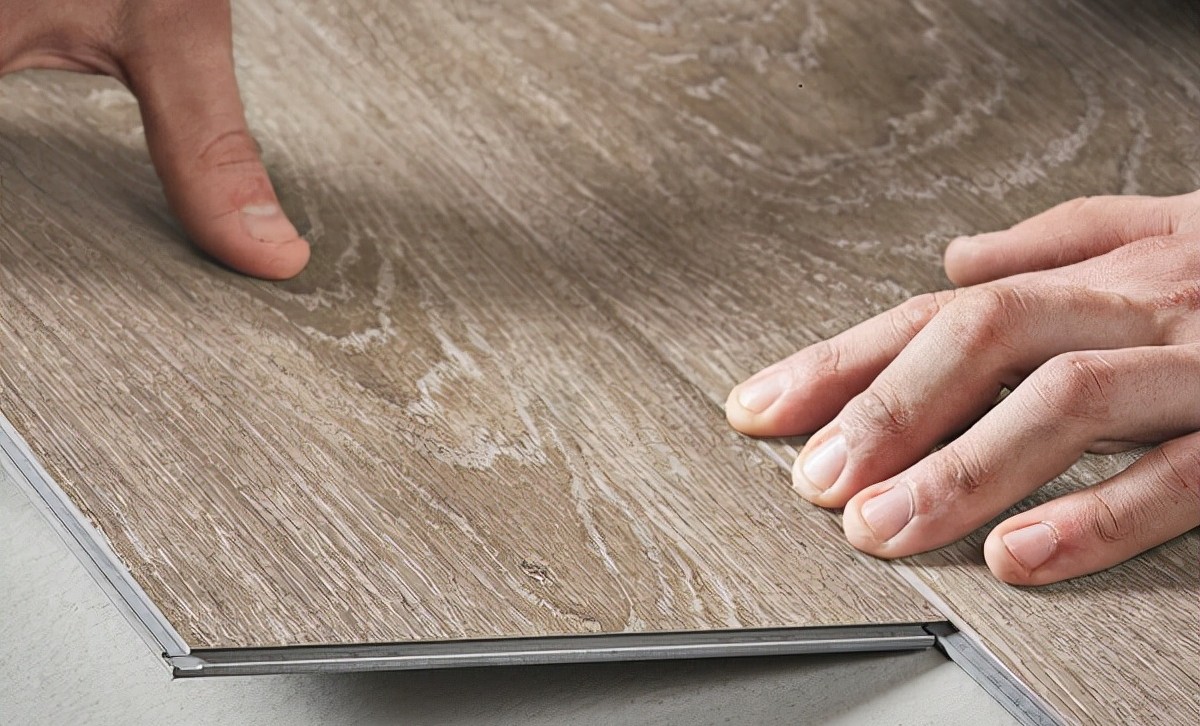
Flooring materials are among the most shipment-sensitive products in the building materials category. Unlike consumer electronics or apparel, flooring — whether LVP (Luxury Vinyl Plank), engineered hardwood, laminate, or SPC (Stone Plastic Composite) — presents unique challenges in ocean freight, US customs clearance, and last-mile delivery. Over the past decade at AMERICAN NEW LOGISTICS, we have handled hundreds of flooring containers from China to the US, and we have seen what works and what does not.
This guide draws from real shipments, real CBP exams, and real warehouse appointments. If you are a flooring manufacturer or ecommerce seller planning to enter the US market, this is not a generic logistics overview — it is a practical roadmap based on firsthand experience.
What Makes Flooring Materials Different from Other Products in International Shipping?
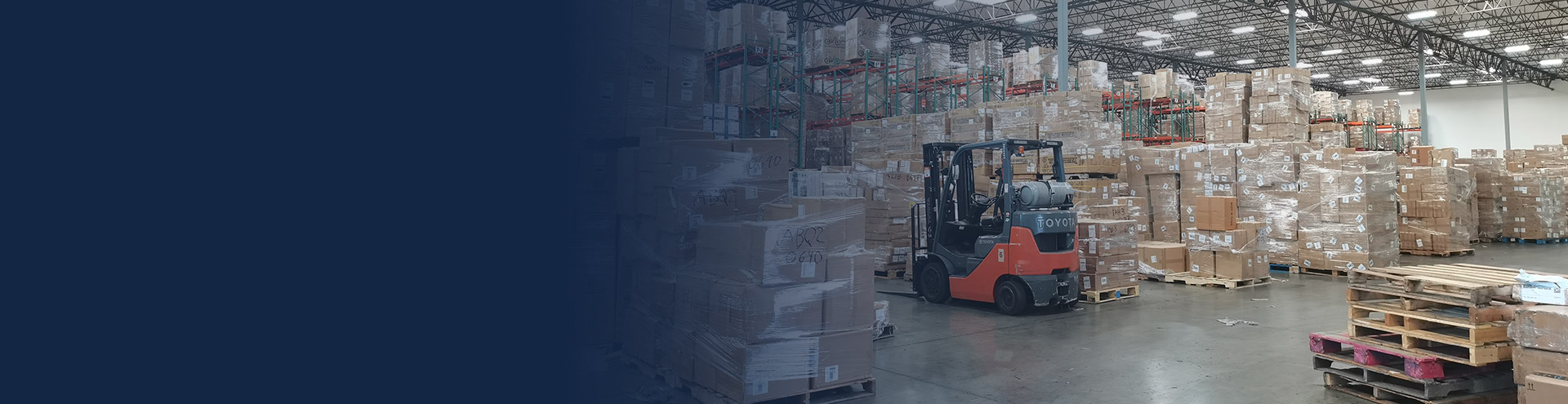
Flooring materials are heavy, bulky, and dimensionally sensitive. A standard 40HQ container can hold approximately 1,500 to 2,200 cartons of LVP flooring depending on thickness and plank size, with total weight ranging from 18,000 to 26,000 kg. The weight alone pushes containers close to the US highway legal weight limit of approximately 44,000 lb per container for drayage operations.
Beyond weight, flooring is susceptible to moisture damage, temperature fluctuation, and physical impact. Unlike garments or toys, a single damaged carton of flooring can render an entire pallet unsellable because customers expect perfect, unbroken planks. This is why ocean freight for flooring requires specific container preparation that most general cargo does not.
What Are the Key Compliance Requirements for Flooring Materials Entering the USA?
Compliance is where most flooring exporters stumble. The US has stringent regulations for wood-based and composite flooring products, and these are enforced by multiple agencies.
EPA TSCA Title VI — Formaldehyde EmissionsUnder the Toxic Substances Control Act (TSCA) Title VI, all composite wood products — including HDF (High-Density Fiberboard) used in laminate flooring and engineered wood cores — must comply with formaldehyde emission standards equivalent to the California Air Resources Board (CARB) Phase 2 requirements. This applies to imported products, and the EPA requires third-party certification (TPC) from an accredited certifying body. Without this certification, CBP can detain or refuse entry.
ASTM Standards — Performance TestingFlooring products sold in the US typically need to meet ASTM international standards depending on the product type. For resilient flooring like LVP and SPC, ASTM F1700 is the standard specification. For engineered wood, ASTM F1869 is relevant for moisture testing. While these are not always mandatory for customs entry, major retailers like Wayfair and Amazon require compliance documentation before allowing listing.
FCC — Only for Electronic ComponentsNote that FCC (Federal Communications Commission) applies only if your flooring product contains electronic components — such as heated flooring systems or smart flooring with integrated sensors. Standard flooring does not require FCC certification.
| Requirement | Applicable Products | Agency | Deadline |
|---|---|---|---|
| TSCA Title VI / CARB Phase 2 | Composite wood products | EPA / CARB | Pre-arrival |
| ASTM F1700 (resilient) | LVP, SPC, VCT | ASTM | Pre-listing |
| Flame spread rating (ASTM E648) | All flooring | ASTM / NFPA | Pre-listing |
| HTS Classification | All flooring | CBP | Pre-arrival |
How Do You Classify Flooring Materials Under the HTS Code?
HTS (Harmonized Tariff Schedule) classification determines your duty rate and is critical for customs clearance. The correct HTS code for flooring depends on the material composition:
- · 4418.71 — Assembled flooring panels, multilayer, bamboo or wood
- · 4418.79 — Assembled flooring panels, other (including engineered wood)
- · 3918.10 — Floor coverings of vinyl or PVC (including LVP and SPC)
- · 5703.30 — Carpet and other textile floor coverings (if applicable)
Duty rates range from 0% to 8% depending on the HTS code and country of origin. Chinese-origin flooring may also be subject to Section 301 tariffs, which currently add an additional 7.5% to 25% ad valorem duty on certain wood and vinyl products. Always consult with a licensed customs broker before finalizing your shipment — misclassification can result in CBP penalties, additional duties, and delayed clearance.
What Is the Best Shipping Method for Flooring Materials to the USA?
For flooring materials, ocean freight is almost always the most cost-effective option. Air freight is rarely used for flooring due to weight and volume — the cost per kg would make the product commercially unviable for all but the highest-end luxury flooring.
FCL vs. LCLFull Container Load (FCL) is recommended for flooring shipments exceeding 15 CBM. Flooring is heavy and dense, and LCL (Less than Container Load) consolidation introduces risks: other cargo can shift and damage your cartons, and the consolidation/deconsolidation process increases handling points. For smaller quantities (under 10 CBM), LCL may be the only option, but you should budget for higher per-unit costs and longer transit times.
At ANL, we typically recommend 40HQ containers for flooring because the extra height allows for better stacking configurations and reduces the risk of crushing lower cartons. Standard 40GP containers work but require more careful load planning.
What Are the Amazon FBA Requirements for Flooring Materials?
Amazon has specific requirements for flooring products that go beyond standard FBA prep guidelines. These are enforced at the receiving warehouse, and failure to comply results in receiving rejects, return shipping costs, and lost sales.
Packaging RequirementsFlooring cartons must be individually labeled with Amazon FNSKU labels. Each carton must have a Shipper Label (box label) on all four sides. Cartons must not exceed 50 lb (23 kg) per box for standard FBA — flooring cartons often exceed this, requiring special handling or palletized delivery. For oversized flooring cartons, Amazon requires palletized delivery with 40" x 48" GMA-standard pallets, shrink-wrapped and labeled.
Pallet RequirementsFor oversized products like flooring, Amazon mandates:
- · Pallets must not exceed 72 inches in height (including pallet)
- · Each pallet must have a Amazon FBA pallet label on all four sides
- · Shrink wrap must be clear and cover the entire pallet
- · No loose cartons on top of pallets
In 2025, ANL handled a flooring shipment from a Chinese manufacturer to Amazon's FTW1 warehouse. The shipment was rejected at receiving because the cartons exceeded the 50 lb weight limit — the manufacturer had packed 65 lb per carton to save on corrugate costs. The result: a 14-day delay, $2,800 in additional warehousing and rework fees, and a chargeback from Amazon for the failed appointment.
We now require all flooring clients to provide carton weight and dimension data before booking, and we conduct a pre-shipment audit to catch these issues before the container leaves China.
What Are the Common Risks When Shipping Flooring Materials to the USA?
Based on our experience, here are the top five risks specific to flooring shipments — and how to mitigate them.
Risk 1: Moisture Damage During TransitFlooring is highly susceptible to moisture. The temperature differential between the Chinese factory (high humidity) and the trans-Pacific voyage can cause condensation inside the container — known as "container rain." This can warp LVP planks and cause mold on wood-based products.
Mitigation: Use desiccant bags (silica gel or calcium chloride) inside the container. Place moisture barriers (VCI paper or polyethylene sheets) between pallet layers. Ensure the container is inspected for existing moisture before loading.
Risk 2: CBP Exam and DetentionAs detailed in the ANL Operational Insight above, flooring products are subject to CBP exams at a higher rate than general cargo due to HTS classification complexity and EPA compliance concerns.
Mitigation: Pre-file ISF (Importer Security Filing) at least 72 hours before departure. Ensure all compliance documentation — including TSCA Title VI certificates, product composition data, and HTS classification justification — is ready for CBP review. Work with a licensed customs broker who specializes in building materials.
Risk 3: Amazon Appointment DelaysAmazon warehouses frequently experience appointment backlogs, particularly during Q3 and Q4. Flooring shipments, being oversized, often require special appointment slots that are harder to secure.
Mitigation: Book FBA appointments as early as possible — ideally when the vessel departs China. Have a contingency plan for off-site warehousing if the appointment is delayed. ANL maintains relationships with 3PL warehouses near major Amazon fulfillment centers for exactly this purpose.
Risk 4: Carton Weight ExceedanceAs mentioned, flooring cartons often exceed Amazon's 50 lb limit. This is a common rejection reason.
Mitigation: Implement a "pre-shipment weight audit" at the factory. Require manufacturers to weigh each carton and flag any that exceed the limit before they are loaded into the container.
Risk 5: Port Congestion and Transit DelaysWest Coast ports — particularly Los Angeles and Long Beach — experience periodic congestion. In 2024, vessel waiting times at LA/LB averaged 5–12 days during peak seasons.
Mitigation: Build buffer time into your supply chain. Consider shipping to East Coast ports (Savannah, Charleston) or Gulf ports (Houston) as alternatives, though transit times are longer by 7–10 days. Work with a freight forwarder who has alternative routing options.
What Is the Recommended Timeline for Flooring Materials Export to the USA?
Here is a realistic timeline from factory order to Amazon shelf based on our experience with flooring shipments.
- Week 1–2: Factory production and quality inspection. This is also the time to finalize packaging specifications and confirm carton weights.
- Week 3: Booking with ocean carrier. Secure container and vessel space. File ISF with CBP.
- Week 4: Container loading at factory, export customs clearance, departure from Chinese port.
- Week 5–8: Vessel transit (14–21 days from China to West Coast, 25–30 days to East Coast).
- Week 8–9: Vessel arrival, container discharge, terminal handling.
- Week 9–10: Customs clearance (3–7 days for standard clearance, 10–14 days if CBP exam).
- Week 10–11: Drayage to warehouse or FBA center.
- Week 11–12: Warehouse receiving and inventory put-away.
Total minimum timeline: 10–12 weeks from factory order to FBA availability. Total with contingencies: 14–16 weeks.
We advise all flooring clients to plan for at least 14 weeks from order placement to product availability in the US market. This allows for the inevitable delays — port congestion, CBP exams, and Amazon receiving backlogs — that are part of the reality of international logistics.
How Can You Reduce Shipping Costs for Flooring Materials?
Cost reduction for flooring shipments requires a strategic approach, not just negotiating lower freight rates.
Optimize Container UtilizationFlooring is a dense product, but poor loading patterns can waste space. We have seen flooring shipments where improper stacking left 5–8 CBM of unused space in a 40HQ container — that is 10%–15% of the container's capacity. Work with your freight forwarder to create a load plan that maximizes every cubic meter.
Consolidate ShipmentsIf you are shipping less than a full container, consider consolidating with other products (not other flooring — different products have different risk profiles) or wait until you have enough volume for FCL. The per-unit cost of LCL is significantly higher, and the risk of damage is greater.
Choose the Right IncotermFOB (Free on Board) is the most common Incoterm for Chinese exports, but it transfers risk and cost to the buyer at the port of loading. If you are new to US imports, consider CIF (Cost, Insurance, Freight) or DDP (Delivered Duty Paid) to have the seller manage more of the logistics. However, DDP requires the seller to have a US import bond and customs broker — not all Chinese manufacturers have this capability.
For flooring shipments, DDP shipping can simplify the process significantly because the freight forwarder handles customs clearance, duty payment, and delivery to the final warehouse. At ANL, we offer DDP options for flooring clients who want a single point of contact for the entire shipment.
What Documentation Is Required for Flooring Materials Export to the USA?
Here is the complete documentation checklist for flooring shipments to the US. Missing any of these documents can delay your shipment at customs.
- · Commercial Invoice — Must include HTS code, product description, unit value, and total value.
- · Packing List — Carton count, weight per carton, dimensions, and total weight/volume.
- · Bill of Lading (BOL) — Ocean bill of lading issued by the carrier or freight forwarder.
- · ISF (Importer Security Filing) — Must be filed 72 hours before vessel departure from the foreign port.
- · Customs Bond — Continuous bond or single-entry bond covering the shipment value plus duties.
- · TSCA Title VI Certificate — For composite wood products, certifying compliance with formaldehyde emission standards.
- · Product Composition Data Sheet — Material breakdown for HTS classification verification.
- · EPA TPC Certificate — Third-party certification from an EPA-accredited certifying body (for composite wood).
- · ASTM Test Reports — Performance test results as required by the retailer (Amazon, Wayfair, etc.).
- · Fumigation Certificate — If wooden pallets or packaging materials are used (ISPM 15 compliant).
Customs clearance for flooring is not a simple checkbox exercise — it requires a customs broker who understands the nuances of flooring classification and EPA compliance. We maintain an in-house brokerage team at ANL specifically for this purpose.
Conclusion
Exporting flooring materials to the USA is a complex undertaking that requires careful attention to compliance, packaging, shipping method selection, and cost management. The difference between a successful shipment and a costly failure often comes down to preparation — knowing the HTS code, having TSCA Title VI documentation ready, understanding Amazon's weight limits, and building buffer time for CBP exams and port congestion.
If you are planning to export flooring materials to the US, we offer a free shipping cost evaluation that includes HTS classification, duty estimation, and a full door-to-door quote. Contact us to discuss your specific shipment requirements.
FAQ
1. What is the cheapest way to ship flooring materials to the USA?Ocean freight FCL (40HQ container) offers the lowest cost per unit for shipments over 20 CBM.
2. Do I need EPA certification for flooring exports to the USA?Yes, for composite wood products under TSCA Title VI. Vinyl flooring (LVP/SPC) does not require EPA certification.
3. How long does it take to ship flooring from China to the USA?Typically 25–35 days for West Coast ports, 35–45 days for East Coast, plus customs clearance time.
4. What is the duty rate for flooring imported to the USA?Ranges from 0% to 8% depending on HTS code, plus potential Section 301 tariffs of 7.5%–25% for Chinese-origin products.
5. Can flooring be shipped via air freight?Air freight is cost-prohibitive for flooring due to weight and volume — ocean freight is the standard method.
6. What happens if my flooring shipment is selected for CBP exam?CBP will inspect the container, which adds 3–10 days and may incur demurrage/detention fees. Proper documentation reduces exam risk.
Some parts of this article were generated with AI assistance, and some pricing information is for reference only.