AMERICAN NEW LOGISTICS It is an international logistics comprehensive service provider registered in Los Angeles, California, USA
 Chinese

What Documents Are Required for FCL DDP USA? Full ChecklistRelease time:2026-08-11 views:956
An FCL DDP shipment to the USA requires 10-12 core documents including Commercial Invoice, Packing List, Bill of Lading, ISF filing, Customs Bond, Power of Attorney, and product-specific certifications like FCC or UL. The seller or their forwarder must provide all documents because DDP means the seller assumes full responsibility for delivery including customs clearance. ISF must be filed at least 24 hours before vessel departure. Missing any document can trigger CBP exams ($400-$800), demurrage charges ($100-$300/day), or penalties up to $5,000 for late ISF filing.
Shipping FCL DDP is supposed to be simple – one price, one point of contact, no surprises. But we have seen shipments delayed for weeks because a commercial invoice had the wrong product description, or because the ISF was filed with an incorrect HTS code. The documents are not just paperwork – they are the operational backbone of your shipment.
This guide lists every document required for an FCL DDP shipment to the USA, explains who provides each one, and shows what happens when documents are missing. It is based on real shipments, real CBP exams, and real demurrage charges we have seen over the past decade at AMERICAN NEW LOGISTICS.
Here is the complete document list for an FCL DDP shipment to the USA, organized by who is responsible for each document.
| Document | Provided By | When Needed | Why It Matters |
|---|---|---|---|
| Commercial Invoice | Seller/Exporter | Before departure | HTS, value, duties calculation |
| Packing List | Seller/Exporter | Before departure | Carton count, weight, dimensions |
| Bill of Lading (BOL) | Carrier/Forwarder | At departure | Proof of shipment, title transfer |
| ISF (10+2) Filing | Forwarder (on seller's behalf) | 24+ hours before departure | CBP security filing – penalties for late filing |
| Customs Bond | Forwarder or IOR | Before arrival | Covers duties, taxes, penalties |
| Power of Attorney (POA) | Seller → Forwarder | Before departure | Authorizes forwarder to clear customs |
| Entry Summary (CBP Form 7501) | Forwarder/Broker | At arrival | Formal customs entry filing |
| Product Certifications | Seller/Exporter | Before arrival | FCC, UL, FDA, etc. – platform requirements |
| CPSC eFiling Data | Seller/Forwarder | At entry (effective July 8, 2026) | Consumer product certificate filing |
| Dangerous Goods Declaration (if applicable) | Seller/Exporter | Before departure | UN38.3, MSDS for lithium batteries |
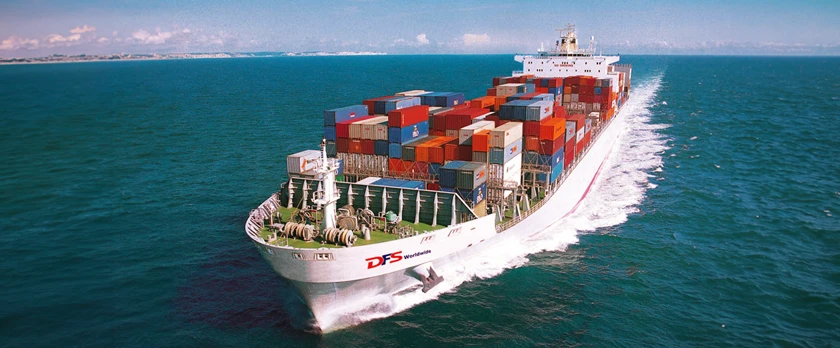
ISF (Importer Security Filing) – also known as the "10+2" filing – must be submitted to CBP at least 24 hours before the vessel departs from the foreign port. Under DDP, the seller's forwarder files ISF on the seller's behalf.
ISF requires 10 data elements from the importer (the seller under DDP) and 2 from the carrier. The key data elements include: buyer name and address, seller name and address, HTS code, container stuffing location, and consolidator name. Missing any element or filing late triggers a $5,000 penalty per violation.
We have seen ISF errors cause the most problems in DDP shipments. One client's ISF was filed with an incorrect HTS code – the product was furniture but the code was for textiles. CBP flagged it, the container was examined, and the shipment was delayed by 12 days. Demurrage: $2,400. Exam fee: $600. The forwarder had filed the ISF based on an outdated product description from the seller.
We now require all DDP clients to provide product descriptions and HTS codes on a standardized form before we file ISF. We verify the HTS code using CBP's online tariff tool and flag discrepancies before filing.
A customs bond is a financial guarantee to CBP that all duties, taxes, and penalties will be paid. Under DDP, the seller is responsible for the bond.
There are two types of bonds:
Under DDP, the seller's forwarder typically purchases the bond and includes the cost in the DDP quote. The forwarder's customs broker is listed as the importer of record on the bond. If duties are not paid, CBP goes after the bond holder – which is why forwarders charge a premium for DDP shipments.
Beyond the core shipping documents, you may need product-specific certifications depending on what you are shipping. These are not always required for customs clearance – but they are required by Amazon, Wayfair, and other retailers.
Common product certifications for DDP shipments:
Missing certifications can hold your shipment at the port – or worse, your listing can be suppressed after the product is already in the FBA warehouse. We have seen sellers lose $20,000+ in inventory because they shipped products without required certifications.
Based on ANL's operational experience, here is what happens when documents are missing or incorrect.
Missing ISF: The container is not loaded onto the vessel. You miss your sailing. The next sailing is 7-14 days later. Demurrage: $1,400-$4,200. Penalty: $5,000 if CBP issues a fine.
Incorrect HTS on Invoice: CBP flags the shipment for examination. The exam takes 5-14 days. Demurrage: $500-$2,100. Exam fee: $400-$800. If the HTS is reclassified, additional duties may apply.
Missing Product Certification: If the product requires FCC or UL and the certificate is missing, CBP may hold the shipment until the certification is provided. If the product is already at an FBA warehouse, Amazon may suppress the listing.
Missing Packing List: CBP cannot verify the shipment against the invoice. Delays clearance by 2-3 days. Demurrage: $200-$600.
Missing CPSC eFiling Data (as of July 2026): CBP will not release the shipment. The container sits at the port until the eFiling data is submitted. Demurrage: $100-$300 per day.
These are not theoretical risks. We have seen each one happen.
Understanding the timing is critical. Here is a timeline-based breakdown.
Before departure (China side):
At departure:
During transit:
At arrival (US side):
DDP sellers must ensure all documents are prepared before departure. The forwarder cannot file ISF without the commercial invoice and packing list. Missing documents at departure mean a missed sailing.
MBL (Master Bill of Lading) is issued by the shipping line (carrier). HBL (House Bill of Lading) is issued by the freight forwarder to the shipper.
For DDP shipments, you typically see both: the forwarder receives an MBL from the carrier and issues an HBL to the seller. The HBL is the document that matters for the seller – it proves the forwarder has received the goods and is responsible for shipment.
Under DDP, the seller does not need to present the original BOL to the buyer because the seller (through the forwarder) is the importer of record. The forwarder uses the HBL to clear customs and arrange delivery.
To issue a customs bond (single-entry or continuous), the bond provider needs:
Under DDP, the seller's forwarder typically handles the bond application. The seller provides the IOR details (which may be the forwarder's US entity or a third-party IOR).
The commercial invoice is the single most important document for customs clearance. Here is what must be included for FCL DDP shipments.
The invoice must be in English. CBP will not accept invoices in Chinese. We have seen DDP shipments delayed because the invoice was in Chinese and needed to be translated and re-submitted.
Here is a summary of the costs associated with documentation errors based on ANL's experience.
| Error Type | Typical Cost | Who Pays |
|---|---|---|
| Late ISF filing | $5,000 penalty | Seller (DDP) |
| Incorrect HTS on invoice | $500-$3,000 (exam + demurrage) | Seller (DDP) |
| Missing packing list | $200-$600 (demurrage) | Seller (DDP) |
| Missing CPSC eFiling data | $100-$300/day demurrage | Seller (DDP) |
| Missing product certification | $500-$2,000 (exam) + listing loss | Seller (DDP) |
| Incorrect commercial invoice | $500-$2,000 (re-filing + demurrage) | Seller (DDP) |
These costs add up quickly. A single documentation error can turn a profitable shipment into a loss.
The commercial invoice, packing list, and ISF filing are the most critical documents. ISF must be filed at least 24 hours before departure – missing this deadline triggers a $5,000 penalty. HTS classification errors trigger CBP exams and demurrage charges. Product certifications (FCC, UL, NSF, etc.) are required for most consumer goods.
At AMERICAN NEW LOGISTICS, we are a Wayfair Official Logistics Provider and Amazon SPN carrier with CTPAT, NVOCC, FMC, and IATA certifications. Our in-house brokerage team handles all FCL DDP documentation – ISF filing, customs bond, entry summary, and CPSC eFiling – so you do not have to manage the paperwork yourself.
We offer a free FCL DDP documentation review – send us your commercial invoice and packing list, and we will review them for HTS accuracy, product description completeness, and missing fields before you ship.
Commercial invoice, packing list, Bill of Lading, ISF filing, customs bond, POA, entry summary, and product certifications.
The seller's freight forwarder files ISF on the seller's behalf – the seller provides product details.
The seller pays the bond cost – it is included in the DDP quote from the forwarder.
FCC, UL, NSF, EPA, FDA, or UN38.3 depending on the product category and platform.
Electronic product certificate filing at entry, effective July 8, 2026, for regulated consumer products.
CBP holds the shipment, triggering exams, demurrage charges ($100-$300/day), and potential penalties.
Yes – required for entry filing. Under DDP, the forwarder arranges the bond on your behalf.
Hot News