Chinese


Vietnamese Pet Products APPA Certification: What Do Exporters Need to Know?
Vietnamese pet products do not automatically need “APPA certification” to enter the United States. APPA usually refers to the American Pet Products Association, a trade association that offers membership, industry research, business resources, and networking opportunities. APPA membership is not the same as a government-issued product certificate, and it does not replace applicable U.S. import or safety requirements.
For Vietnamese manufacturers, the correct compliance process depends on what they export. Pet toys, collars, beds, grooming accessories, pet food, and animal-origin products can fall under different rules. Exporters should identify the product category, confirm applicable requirements with the U.S. importer, and prepare consistent product and shipping documents before dispatch.
AMERICAN NEW LOGISTICS recommends treating market compliance and freight planning as two connected but separate tasks. A shipping booking does not establish that a product is approved for sale in the United States.
Is APPA Certification Required for Vietnamese Pet Products Entering the United States?
No universal U.S. import requirement called “APPA certification” applies to all pet products. The American Pet Products Association is an industry association, not a federal regulator that issues a single mandatory import certificate for every product in the pet category.
APPA offers membership opportunities to eligible pet-product manufacturers and suppliers, including businesses outside the United States. Its published membership information describes benefits such as industry resources, research, networking, and participation in industry events.
(Source: American Pet Products Association, “How to Join APPA” and membership FAQs)
This distinction matters because a buyer, sourcing agent, or online article may use the word “certification” loosely. Before paying for a service advertised as APPA certification, ask what the document actually represents.
- · APPA membership: A business relationship with a pet-industry trade association.
- · Product testing or certification: Evidence that a specific product has been evaluated against particular standards or requirements.
- · Regulatory compliance: Meeting the laws and requirements that apply to the product being imported or sold.
These are not interchangeable. An APPA membership confirmation does not, by itself, prove that a pet toy meets every applicable safety rule or that pet food satisfies FDA requirements.
The practical starting point is to ask the U.S. buyer which requirement they mean, who requires it, and which exact product or model it covers.
What Is APPA Membership, and Who Can Apply?
The American Pet Products Association supports businesses operating in the pet-products industry. Its membership categories include manufacturers and suppliers, with eligibility and benefits depending on the type of business.
APPA's official membership guidance states that manufacturer membership is intended for companies manufacturing or importing finished pet products. Supplier membership serves businesses that provide products or services to pet-product manufacturers. International businesses can also be eligible, subject to the association's requirements.
(Source: American Pet Products Association, official membership FAQs and requirements)
For a Vietnamese exporter, membership may be relevant when building industry relationships, learning about the U.S. pet market, accessing member resources, or evaluating participation in industry events. Those are business-development considerations rather than substitutes for regulatory compliance.
Before applying, check these points:
- 1.Confirm eligibility. Identify whether the company fits the manufacturer or supplier category.
- 2.Prepare business evidence. Review APPA's current documentation requirements, which may include a business license, invoices, incorporation documents, or other accepted records.
- 3.Review membership benefits and fees. Check the current membership tier, dues, renewal terms, and included services directly with APPA.
- 4.Keep membership separate from product compliance. Continue to verify the safety, labeling, and import requirements for each product.
Membership requirements and fees can change. Use APPA's official pages rather than relying on an old supplier quotation or an unofficial certificate service.
Which U.S. Requirements May Apply to Different Vietnamese Pet Products?
“Pet products” is a broad commercial category, not one uniform regulatory category. The first task is to classify the goods accurately and identify their materials, intended use, and claims.
| Product Category | Potential Compliance Focus | What to Verify |
|---|---|---|
| Pet toys and accessories | Applicable product safety, materials, and labeling requirements | Product design, materials, intended animal, age-related claims, and buyer requirements |
| Collars, leashes, and harnesses | Material safety, product performance, labeling, and applicable general requirements | Material composition, dimensions, claims, and retailer specifications |
| Pet beds and fabric products | Applicable textile, chemical, labeling, or flammability requirements | Materials, construction, product claims, and intended use |
| Pet food and treats | FDA animal-food requirements and possible additional agricultural controls | Ingredients, facility status, labeling, Prior Notice, and applicable permits |
| Products containing animal-origin ingredients | Possible FDA or USDA APHIS requirements depending on the product and ingredients | Ingredient origin, processing, product classification, and import conditions |
This table is a preliminary screening tool, not a final determination of legal requirements. A fabric pet bed and a meat-based dog treat have very different compliance profiles, even if both are sold by the same pet-supply brand.
For products subject to the FDA's animal-food rules, the agency identifies requirements that can include food facility registration, labeling, the Foreign Supplier Verification Program (FSVP), and Prior Notice of imported food. Additional requirements may apply depending on the product.
(Source: FDA, “Importing Animal and Veterinary Products,”)
Do Vietnamese Pet Toys and Accessories Need a Product Certificate?
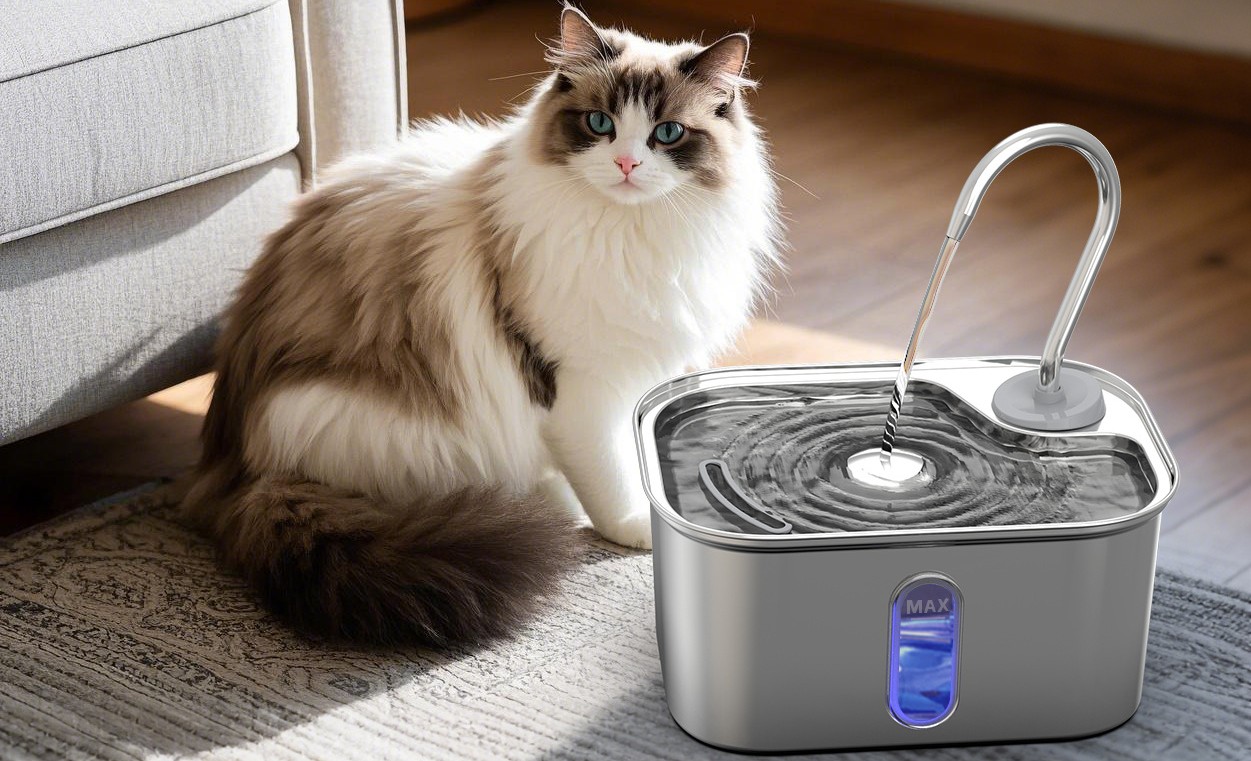
Not every pet toy or accessory requires the same certificate. The answer depends on the item's design, materials, intended users, applicable U.S. rules, and any additional requirements imposed by the retailer or buyer.
A simple textile pet bed, a rubber chew toy, an electronic pet feeder, and a battery-powered tracking collar should not be treated as identical products. Their functions and risk profiles differ, so the relevant compliance checks may differ too.
Before production, ask the U.S. buyer to specify the requirement in writing. If the buyer asks for a “certificate,” clarify whether they mean a laboratory test report, a product listing, a declaration, a material report, a retailer-specific document, or association membership.
A useful product-file checklist includes:
- · Product name, model number, and intended use.
- · Material composition and supplier information.
- · Applicable test reports or compliance declarations, where required.
- · Product label, packaging artwork, and usage warnings.
- · Buyer or retailer specifications that apply to the order.
- · Records connecting the approved model to the actual production batch.
Do not assume that a test report for one material, color, or model automatically covers every variation. Ask the laboratory or qualified compliance specialist whether the existing evidence applies to the exact item.
If the product contains electronics, wireless functions, batteries, or materials that raise additional regulatory questions, identify those features early. They may introduce separate requirements that APPA membership does not address.
What Extra Requirements Apply to Pet Food and Animal-Origin Products?
Pet food and treats need a separate review because they are animal food rather than ordinary accessories. FDA states that imported animal food, including pet food and treats for dogs and cats, must meet applicable U.S. requirements.
Depending on the product and the importer’s circumstances, the review may involve:
- 1.Ingredient eligibility. Confirm that the ingredients are acceptable for the intended animal-food use.
- 2.Facility requirements. Check whether the relevant manufacturing or handling facility must be registered with FDA.
- 3.Importer responsibilities. Determine whether FSVP obligations and other applicable importer requirements have been met.
- 4.Prior Notice. Confirm that the required notification for the imported food is submitted before the shipment is offered for import.
- 5.Labeling and additional controls. Verify ingredient statements, product claims, and any additional FDA or USDA APHIS requirements that apply to the product.
(Source: FDA, “Importing Animal and Veterinary Products” and “Importing — Animal Food,” )
Products containing meat, poultry, or other animal-origin ingredients may require a more specific review. Depending on the ingredients and processing, USDA APHIS permits or other controls may be relevant. Do not assume that every animal-origin product follows the same pathway.
For pet food, confirm the regulatory pathway before production and shipment—not after the goods have arrived at the U.S. port. Missing or inaccurate information can delay entry review, and products that violate applicable requirements may be detained or refused.
The FDA explains that imported animal food is subject to applicable federal requirements and may be examined at entry. (Source: FDA, “Importing — Animal Food,” )
Which Documents Should Vietnamese Exporters Prepare Before Shipping?
The required documents depend on the product, but exporters can reduce avoidable problems by preparing a consistent file before the cargo is released.
| Document or Record | Purpose | Check Before Dispatch |
|---|---|---|
| Commercial invoice | Describes the goods and transaction value | Accurate description, value, parties, and quantities |
| Packing list | Records packages, weights, and dimensions | Carton count and shipment totals match the actual cargo |
| Product specification and labels | Identifies the product, materials, and intended use | Model, ingredients or materials, and claims are consistent |
| Applicable compliance records | Supports the relevant product or regulatory requirements | Exact model, certificate scope, validity, and responsible party |
| Food-related documents, where applicable | Supports applicable FDA or other agency requirements | Facility, ingredient, Prior Notice, and permit details as required |
The key is consistency. If the product label says “chicken dog treats,” but the invoice only says “pet accessories,” the vague description may not give the broker enough information to identify the goods correctly.
A freight forwarder can help coordinate transportation and documentation handoffs, but the exporter and importer remain responsible for supplying accurate product information and confirming the requirements that apply to their goods.
Once the product file is ready, the exporter can coordinate the proposed seafreight schedule or review an airfreight option according to the shipment's urgency, dimensions, weight, and commercial requirements.
How Can Exporters Avoid Documentation and Shipping Problems?
Many preventable problems begin when the product team, importer, and logistics provider work from different descriptions of the same shipment. The solution is to resolve product identity and compliance questions before cargo handover.
Use this pre-shipment decision process:
- 1.Classify the product. Establish whether it is an accessory, toy, electronic product, food, treat, or item containing animal-origin ingredients.
- 2.Ask the buyer to identify the requirement. Request the name of the regulation, standard, certificate, or retailer specification instead of accepting “APPA certification” as a complete description.
- 3.Verify the requirement with the right party. Use APPA for membership questions and the relevant regulator or qualified compliance specialist for product-specific legal questions.
- 4.Reconcile the documents. Compare the product model, description, ingredients or materials, package count, and applicable compliance records.
- 5.Confirm the shipment plan. Agree on cargo-ready dates, document deadlines, loading arrangements, and the destination delivery plan.
How Should Vietnamese Pet-Product Exporters Prepare for the U.S. Market?
The first step is to clarify the phrase “APPA certification.” APPA is an industry association, and its membership program serves business-development purposes. It is not a universal product approval for Vietnamese pet goods.
Next, classify the product accurately. Pet toys, collars, beds, electronics, pet food, and animal-origin treats may have different compliance needs. Confirm the applicable rules, gather the correct evidence, and make sure the product labels and shipping documents describe the same goods.
For transport planning, coordinate the document handoff, cargo-ready date, and destination arrangements with the importer and logistics provider. ANL can help coordinate eligible U.S.-bound freight and related shipping arrangements, but regulatory questions should be confirmed with the appropriate agency or qualified compliance specialist.
For a shipping discussion, visit the warehouse service page if U.S. storage is relevant, or use the About page to contact the team with the product category, origin, destination, cargo dimensions, and planned shipping date.
What Are the Most Common Questions About Vietnamese Pet Products APPA Certification?
1. Is APPA certification legally required to export pet products from Vietnam?
APPA membership is not a universal U.S. import requirement. Exporters must identify the product-specific legal requirements that apply to their goods.
2. Can a Vietnamese manufacturer apply for APPA membership?
International manufacturers may be eligible, subject to APPA's current membership criteria and documentation requirements. Confirm eligibility directly with the association.
3. Does APPA membership mean that a product is approved by the FDA?
No. APPA membership and FDA regulatory compliance are separate matters. Products subject to FDA rules must meet the applicable requirements regardless of association membership.
4. Do all pet toys need laboratory testing?
Not every product follows the same testing pathway. Requirements depend on the product, its design, materials, intended use, applicable laws, and buyer specifications.
5. Are pet food and pet accessories subject to the same import rules?
No. Pet food is animal food and can be subject to FDA requirements, including applicable facility, labeling, and import-notification obligations. Accessories need to be evaluated under the rules applicable to their materials and use.
6. Can APPA issue a certificate that replaces other required documents?
Do not assume so. Ask what the document certifies and whether the relevant regulator or buyer explicitly accepts it for the intended purpose.
References
- · American Pet Products Association (APPA): Official membership FAQs. https://americanpetproducts.org/faqs
- · American Pet Products Association (APPA): Membership information and application. https://americanpetproducts.org/join
- · APPA: Membership requirements. https://help.americanpetproducts.org/appa-member-requirements
- · U.S. Food and Drug Administration (FDA): Importing Animal and Veterinary Products. https://www.fda.gov/industry/importing-fda-regulated-products/importing-animal-and-veterinary-products
- · FDA: Importing — Animal Food. https://www.fda.gov/animal-veterinary/import-exports/importing-animal-food
- · U.S. Department of Agriculture, Animal and Plant Health Inspection Service (USDA APHIS): International Animal Product Export Regulations. https://www.aphis.usda.gov/animal-product-export/international-animal-product-export-regulations
This article was compiled with AI assistance to gather industry data, and then manually reviewed, revised, and finalized by ANL specialist.