AMERICAN NEW LOGISTICS It is an international logistics comprehensive service provider registered in Los Angeles, California, USA
 Chinese

Smart Display DDP to the United States: Shipping & FCC GuideRelease time:2026-06-07 views:1070
Handling commercial interactive screens, advertising kiosks, and high-end smart monitors requires deep supply chain precision. Moving these electronic units past international borders means confronting strict regulatory scrutiny. If your logistics provider handles your cargo like basic, non-regulated consumer goods, you risk expensive port delays, intense documentation audits, or forced cargo destruction at the terminal.
Navigating the entry requirements for U.S. ports means understanding that smart monitors are subject to multi-agency regulatory enforcement. Working with a dedicated provider like AMERICAN NEW LOGISTICS ensures your shipments utilize verified lanes. This proactive approach ensures your cargo remains fully compliant with federal oversight throughout the transit window.
Almost all modern smart displays contain radio frequency transceivers for wireless connectivity, such as Wi-Fi modules or Bluetooth chips. The Federal Communications Commission classifies these devices as intentional radiators. Under Title 47 of the Code of Federal Regulations (47 CFR), these devices cannot clear customs without a verified FCC ID registration linked to the manufacturer's grant of equipment authorization.
When executing smart display DDP to the United States, your customs broker must input the FCC documentation directly into the Automated Commercial Environment (ACE) system during entry filing. If the system detects a mismatch between the declared factory name and the registered FCC database identifier, CBP will hold the entire container for an intensive document review. This exposure often triggers expensive demurrage penalties at the terminal.
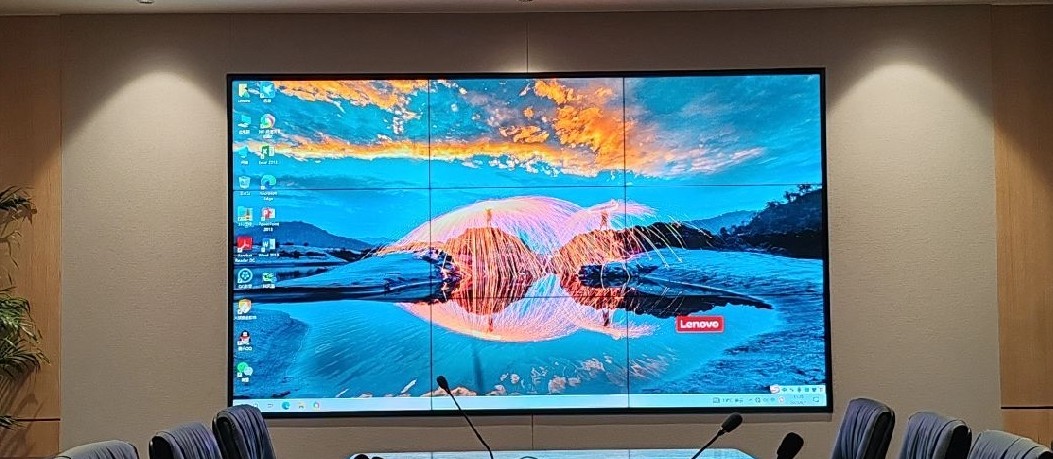
Many importers are surprised to learn that the Food and Drug Administration (FDA) regulates electronic video monitors. The FDA Center for Devices and Radiological Health (CDRH) oversees products that emit radiation, which includes liquid crystal displays (LCDs), light-emitting diode (LED) backlights, and cathode-ray tubes. This authority requires the electronic submission of FDA Form 2877 (Declaration for Products Subject to Radiation Control Standards) for every shipment entering the country.
Filing this paperwork requires declaring that the product complies with federal performance standards under 21 CFR Chapter I, Subchapter J. Skipping this declaration or misclassifying your Harmonized Tariff Schedule (HTS) code to avoid it will cause immediate automated system rejections. This mistake flags your company for manual intervention by the local FDA import compliance officer.
| Document Name | Primary Regulatory Agency | Required Content / Data Points | Consequence of Omission |
|---|---|---|---|
| FCC ID Grant | Federal Communications Commission | Equipment Authorization Code, Test Reports | Immediate seizure by CBP at port |
| FDA Form 2877 | Food and Drug Administration | Manufacturer declaration, radiation standard codes | Entry rejection, cargo held in bonded facility |
| ISF (10+2) Filing | U.S. Customs and Border Protection | Importer of Record, Seller, Consignee details | $5,000 liquidated damages penalty per violation |
| Customs Bond | CBP / Surety Company | Continuous or Single Entry Bond validation | Inability to formalize port entry clearance |
The ideal transportation mode depends on your target inventory lifecycle, unit margins, and seasonal market demand. High-value retail electronics often utilize premium airfreight to minimize capital tied up in transit and hit tight product launch schedules. However, large commercial touch screens or digital billboards must use structured seafreight channels to keep freight costs viable.
For ocean freight shipments, choosing the right carrier tier is vital for maintaining predictable lead times. Standard deferred services frequently suffer from terminal congestion at multi-user facilities. In contrast, premium loops utilize dedicated terminals at the Los Angeles Port or Long Beach Port, providing expedited container discharge and faster gate-out turn times for local drayage operations.
The journey does not end once your shipment clears customs. Large smart displays are fragile, heavy, and sensitive to impact. Shipping these items as loose, unpalletized parcels via standard courier lines often results in high product damage rates and costly warehouse rejections.
To secure reliable delivery, your provider must execute a coordinated drayage & delivery strategy. This process involves stripping the ocean container at an off-dock facility, palletizing the retail cartons onto standard pallets, securing them with heavy-duty stretch wrap, and booking specialized carrier runs. For commercial locations without loading docks, deliveries must be assigned to liftgate trucks to prevent unloading damage.
In November 2025, our logistics team managed a complex supply chain recovery for a major distributor importing commercial interactive kiosks. A factory in Shenzhen had shipped a 40-foot high-cube container under standard DDP terms through a low-cost forwarder. However, that provider lacked real-world compliance experience in the United States. Upon arrival at the Port of Long Beach, the shipment was hit with an intensive CBP enforcement hold due to incomplete FDA Form 2877 submissions and an unregistered wireless module code on the invoice.
The original forwarder abandoned the shipment, leaving the importer facing mounting demurrage charges of $450 per day. Our team took over management of the stalled shipment. We utilized our licensed in-house customs brokerage network to secure authorization to review the entry details in the ACE portal. We discovered the factory had used a sub-tier component vendor's wireless chip without updating the master FCC file.
We worked directly with the factory engineers to source the primary component test schematics, compiled the necessary technical data, and resubmitted a corrected FDA Form 2877 package within 48 hours. By utilizing our active continuous bond framework, we secured cargo release from CBP, avoided a forced cargo return order, and transferred the container to our specialized warehouse facility for expedited regional distribution.
Failing to plan for final mile delivery constraints is a common vulnerability for high-volume electronics importers. Major fulfillment networks like Amazon FBA or enterprise retail hubs enforce strict inbound palletization rules. If your smart display cargo exceeds standard weight and dimension ceilings, facility managers will reject the delivery at the gate, triggering expensive return-to-origin trucking fees.
To eliminate these compliance bottlenecks, our team reviews your packaging dimensions before the cargo leaves the origin factory floor. If a product falls into the oversized category, we design a customized multi-layer pallet configuration. This setup features integrated corner shock absorbers, multi-layer strap reinforcement, and clear team-lift handling labels to guarantee hassle-free acceptance at the receiving dock.
| Logistics Segment | Identified Operational Risk | Financial Impact Level | ANL Preventative Protocol |
|---|---|---|---|
| Origin Facility | Incorrect HTS Code classification | High (Underpaid duty audits) | Pre-shipment legal tariff classification review |
| Ocean Transit | Moisture ingress & salt-air corrosion | Medium (Component failure) | Enclosed barrier foil vacuum packing inside crates |
| Port Destination | CBP intensive cargo examinations | High (Demurrage & storage fees) | Pre-filing ISF 10+2 data validation 72 hours prior |
| Final Mile Delivery | Fulfillment center inbound rejection | Medium (Carrier penalty charges) | Dedicated carrier booking via Amazon CARP / Carrier Central |
Many low-cost freight quotes mask hidden operational expenses that eventually appear on your final invoice as emergency surcharges. Cheap logistics providers often under-declare cargo values, group regulated electronics with low-risk consumer goods, or fail to account for destination terminal access fees. This lack of transparency leaves the importer vulnerable to retroactive duty collections or significant legal exposure.
A legitimate DDP quote must explicitly account for Harbors Maintenance Fee (HMF), Merchandise Processing Fee (MPF), customs entry processing fees, and destination fuel adjusters. Working with an experienced asset-based partner who manages their own cross-border freight infrastructure ensures your landed cost calculations remain completely stable throughout peak shipping seasons.

Every commercial import into the United States requires validation through a federal customs bond underwritten by an authorized surety firm. This financial guarantee ensures that all relevant import duties, taxes, and statutory fines are paid to the U.S. Treasury. Under DDP terms, the forwarder's bond typically covers the entry transaction, but experienced importers often choose to maintain an independent continuous bond to protect their operational continuity.
If your logistics provider utilizes a shared, over-allocated bond that gets flagged for enforcement violations on another importer's cargo, your own shipments can be held during association audits. Maintaining clean corporate documentation across all federal trade networks ensures your smart display shipments process through automated customs queues without friction.
Executing a reliable smart display DDP to the United States requires managing both physical transit details and complex federal trade regulations. From verifying your initial FCC grant files to coordinating localized liftgate carrier deliveries, every touchpoint requires experienced oversight. Importers who prioritize structured compliance over cut-rate shipping quotes successfully protect their profit margins and avoid costly supply chain disruptions at the port.
Avoid expensive customs holds, unexpected final mile surcharges, and regulatory documentation rejections. Contact our U.S. trade compliance experts today to review your smart display specifications, HTS classifications, and FCC documentation before booking your next container run.
ANL Logistics Team Contact: 15017385446
Hot News