AMERICAN NEW LOGISTICS It is an international logistics comprehensive service provider registered in Los Angeles, California, USA
 Chinese

How to Ship Your Energy Storage Inverter to the U.S. Without Compliance Penalties?Release time:2026-05-21 views:1143
Shipping an energy storage inverter from China to the United States is far more complex than moving ordinary cargo. Between lithium battery regulations, evolving U.S. tariff policies, and platform-specific compliance mandates, a single documentation error can derail your entire supply chain. We have guided dozens of cross-border energy sellers through these hurdles, and AMERICAN NEW LOGISTICS has developed a risk-mitigated framework that turns regulatory obstacles into predictable shipping outcomes.
The energy storage market is experiencing explosive growth. According to customs data, China‘s inverter exports reached $936 million in April 2026 alone, marking a 17% year-over-year increase and a 24% month-over-month surge. In the first four months of 2026, cumulative exports reached $3.36 billion, up 35% from the prior year period. The inverter, as a core energy storage component, converts battery or solar-generated power into usable electricity for homes and businesses. For the first two months of 2026, inverter export value surged 57% to $1.66 billion. This creates substantial opportunities for cross-border sellers-but the shipping landscape remains fraught with risk.
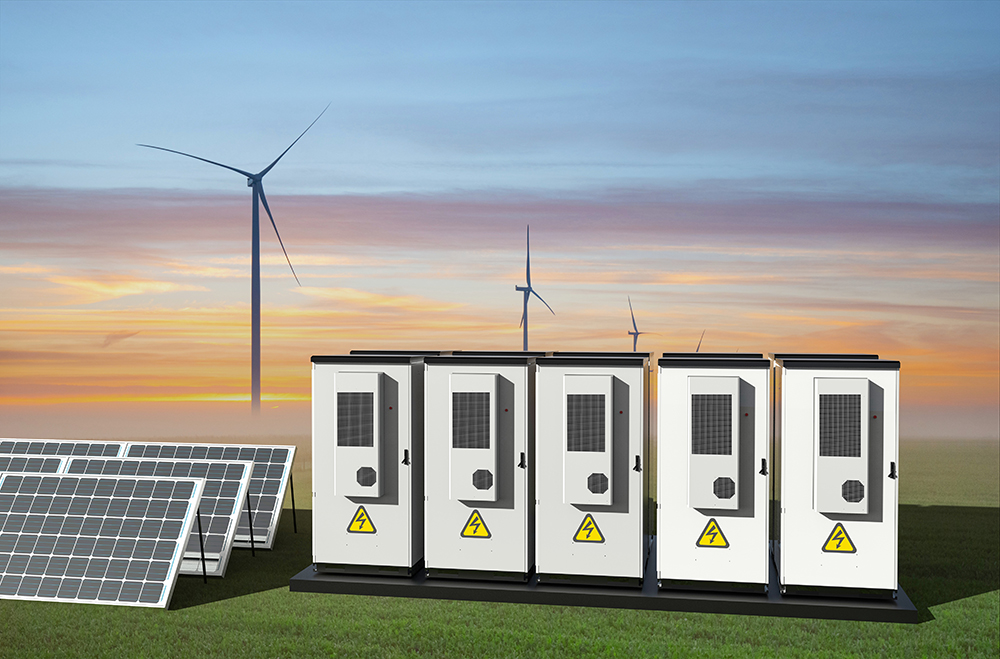
Energy storage inverters differ fundamentally from standard electronics. They are often paired with lithium battery packs, introducing a dual compliance burden. Additionally, the shipping of these items requires meeting the rigorous UPS battery shipping regulations, which demand specific labels, packaging, and documentation.
Three characteristics make energy storage inverter cross-border freight particularly challenging: First, these systems typically include lithium-ion battery components classified under UN3480, subjecting them to Class 9 dangerous goods regulations. Second, inverter housing and mounting equipment often fall into the oversized cargo category, requiring specialized handling and flatbed transportation. Third, the combination of high value and complex compliance creates significant financial exposure in the event of customs holds or shipment delays.
Having managed numerous large-scale power equipment shipments, we have observed that a single HS code error can trigger a customs audit, while missing UN38.3 certification can result in carrier refusal at origin. Indeed, the consequences extend beyond delays to include cargo return or even destruction, often costing upward of $25,000 per container.
When planning logistics budgets for the energy storage inverter, understanding the layered tariff structure is essential. Battery storage systems and components imported from China are subject to multiple tariff layers. For lithium-ion batteries, the base duty under HTS 8507.60 is approximately 3.4%, while inverters classified under HTS 8504.40 carry a base rate of 1.5-2.5%. However, the Section 301 tariff on non-EV lithium-ion batteries increased from 7.5% to 25% effective January 1, 2026. When combined with the base duty and the 7.5% Section 122 tariff imposed via the IEEPA framework, the total effective duty rate on Chinese-origin battery energy storage systems climbs to an estimated 48.4%.
Beyond the headline duties, sellers must also account for port handling fees and merchandise processing fees. In a DDP (Delivered Duty Paid) arrangement, the seller assumes responsibility for all these costs. This requires careful cost modeling and duty planning to avoid margin erosion. Many sellers are now exploring intermediate assembly in Vietnam, India, or Mexico to qualify for duty preferences under the USMCA, though such strategies involve their own logistical complexities.
To help visualize the tradeoffs, we have compiled a comparison of key transport options for energy storage systems from China to the U.S.
| Transport Mode | Transit Time | Cost per CBM (Approx.) | Best Suited For |
| Ocean FCL (40HQ) | 28-40 days (East Coast) | $60-$100 | Bulk commercial orders, full container loads |
| Ocean FCL (20GP) | 14-22 days (West Coast) | $80-$120 | Heavy machinery, smaller cargo volume |
| Air Freight | 3-7 days | $600-$900 | Urgent samples, high-value low-weight items |
| LCL Consolidation | 30-45 days | $100-$180 | Small volume, less urgent deliveries |
As shown, ocean FCL offers the best balance of cost and reliability for full container shipments. For example, shipping a 40HQ container from Shanghai to the Port of Los Angeles typically takes 14-22 days. However, for inland destinations like Chicago or Dallas, additional rail or truck transit adds 5-10 days. Choosing the right shipping method for your energy storage inverter can significantly impact both landed cost and delivery timelines.
Accurate Harmonized Tariff Schedule (HTS) classification is the cornerstone of compliant energy storage inverter cross-border logistics. According to the 2026 HTS Revision, battery energy storage systems fully encased within a housing are classified under HTS 8507.60.00.30, carrying a 3.4% base duty plus the Section 301 addition. Inverters themselves generally fall under HTS 8504.40. However, integrated systems may classify by primary function, creating classification ambiguity that requires expert review.
The documentation package for compliant entry into the United States must include UN38.3 test reports certifying lithium battery safety for transport, Material Safety Data Sheets (MSDS), dangerous goods transport identification reports, and dangerous goods packaging certificates . Additionally, FCC certification is mandatory for electronic components, while UL 1741 certification applies specifically to grid-tied inverters.
For sellers using Amazon FBA, the compliance requirements have grown significantly more stringent. Effective March 10, 2026, Amazon began enforcing TIC (Testing, Inspection, Certification) direct verification for portable power stations and high-risk battery products. Under this policy, sellers can no longer self-upload laboratory reports; instead, an Amazon-approved TIC body must submit test data and reports directly to the Amazon platform for review.
Moreover, effective May 6, 2026, Amazon U.S. and Canada implemented new lithium battery compliance rules. All lithium batteries and products containing lithium batteries must complete dangerous goods declaration before ocean shipment to an Amazon fulfillment center. Without a compliant dangerous goods declaration code (matching the correct UN number), the shipment faces 100% rejection. The only accepted UN numbers are UN3481 for lithium-ion batteries packed with or contained in equipment, and UN3091 for lithium metal batteries in similar configurations. Standalone UN3480 or UN3090 shipments remain prohibited.
The following table summarizes the key compliance documents needed for U.S. entry of an energy storage inverter system.
| Document Type | Purpose | Issuing Authority |
| UN38.3 Test Report | Lithium battery transport safety | ISO 17025 Lab |
| MSDS / SDS | Chemical hazard identification | Manufacturer / Testing lab |
| Dangerous Goods Transport ID Report | DG classification for carrier | Certified inspection body |
| DG Packaging Certificate | Packaging compliance for transport | Customs / Inspection body |
| FCC Certification | Electromagnetic compliance (U.S.) | FCC-recognized TCB |
| UL 1741 / UL 2743 Report | Inverter / power station safety | UL-recognized lab |
| Continuous Bond | Customs financial guarantee | Surety company / Customs broker |
The choice between seafreight and air freight for energy storage systems involves tradeoffs between cost, time, and regulatory acceptance. For larger shipments such as full container loads of battery energy storage systems (BESS) or industrial power equipment, ocean freight remains the most practical choice due to its capacity and cost control advantages. Full container loads (FCL) offer dedicated space, reduced cargo handling, and better protection against damage, making them ideal for high-value products. LCL (Less than Container Load) consolidation may work for samples or small batches, though it is not always ideal for lithium batteries due to shared container risks.
For urgent orders where delivery timelines cannot be compromised, airfreight may be considered. However, air carriage of lithium batteries imposes stricter packaging limits (often capped at 30% state of charge) and higher costs. For most cross-border e-commerce sellers moving energy storage inverters in quantity, sea freight delivers the optimal balance of cost and reliability.
Real-World Case: 20FT Container - Shenzhen to Los Angeles (April 2026)
A commercial energy storage manufacturer dispatched a 20FT container of commercial energy storage cabinets from Yantian Port in Shenzhen to the Port of Los Angeles under a DDP arrangement. Each cabinet weighed 31.8 metric tons with dimensions exceeding standard pallet sizes, meeting the oversize threshold for ocean freight. The shipment contained lithium iron phosphate batteries, falling under UN3536 as battery energy storage systems contained in equipment.
The main challenges were threefold: first, the cargo exceeded standard port weight limits; second, the shipper lacked a U.S. customs entity for entry; third, the project timeline required rapid door delivery. The logistics provider secured dedicated dangerous goods vessel space with on-deck stowage and full temperature monitoring. Using a U.S.-based Importer of Record (IOR) and an annual continuous bond, customs clearance was completed within 4 hours. The container moved directly from port to project site via flatbed truck. Total delivery time from pickup in Shenzhen to final delivery in Los Angeles was 26 days, with zero customs inspections and zero cargo damage.
For sellers lacking a U.S.-based legal entity or importer of record, the DDP incoterm offers substantial risk reduction. Under DDP, the seller assumes responsibility for all export and import formalities, including customs clearance, duty payment, and final delivery. This creates a complete end-to-end service offering where the buyer simply receives the goods at their specified address. For energy storage systems, where duty classification can be complex and the financial exposure of customs holds is high, DDP provides two critical advantages: cost certainty (a single all-in price covering all freight, duties, and fees) and compliance assurance (the logistics provider manages all documentation, bond requirements, and customs interactions).
Additionally, DDP eliminates the need for the seller to establish a U.S. presence solely for import purposes, significantly lowering market entry barriers. The logistics provider acts as the importer of record, using their own continuous bond and customs relationships to achieve predictable clearance outcomes. For many first-time energy storage exporters, DDP is the most practical route to U.S. market entry.
However, performing DDP correctly requires specialized expertise. The logistics provider must maintain an active annual bond, directly connect to the U.S. Customs and Border Protection (CBP) ACE system, and have a proven track record with Class 9 dangerous goods clearance. Without these capabilities, DDP can become a liability rather than an asset. customs clearance expertise is non-negotiable for energy storage systems, given the high scrutiny these products receive at the border.
Real-World Case: 40FT Container - Xiamen to Houston (March 2026)
A large-scale energy storage project developer needed to import a 40FT container of integrated battery storage systems weighing 40 metric tons from Xiamen to a project site in Houston, Texas. The system included integrated BMS and PCS components, with a total declared value exceeding $180,000. The project required multiple containers across staggered delivery dates, with the inland leg from Houston port to the final site spanning approximately 400 miles.
The logistics solution involved a vessel direct discharge mode to circumvent port weight restrictions, with multiple containers loaded on the same vessel to consolidate customs clearance and reduce per-unit costs. Advanced route surveys were conducted for the inland delivery segment, and heavy-lift crane equipment was pre-arranged for final site offloading. Customs clearance was completed within 6 hours utilizing an annual bond. Despite the oversized dimensions and heavy weight, the shipment delivered on schedule with zero delays across the 12-container batch. Total transit time from Xiamen to Houston was 32 days.
Last-mile delivery for oversized energy storage inverters presents distinct challenges not encountered with standard parcel deliveries. Many residential and commercial delivery locations lack loading docks, requiring liftgate-equipped trucks. Additionally, inverters exceeding 300 kilograms may require special handling equipment or multiple delivery personnel. Without a well-planned last-mile strategy, successful port-to-door delivery efforts can fail due to final segment execution problems.
Using a logistics partner with a dedicated fleet can mitigate these risks. For instance, maintaining a fleet of 60+ self-operated trucks across the United States enables direct control over delivery quality and scheduling. When combined with strategically located warehouses near key ports, the result is faster turnaround times and lower costs. Indeed, the ability to complete container destuffing within 24 hours and outbound preparation within 48 hours significantly reduces warehousing costs and accelerates final delivery. For DDP shipments, the last-mile phase also requires coordination with the consignee to confirm delivery windows, access requirements, and any special unloading instructions.
Selling energy storage inverters on Amazon through the FBA (Fulfillment by Amazon) program is possible but increasingly regulated. The 2026 compliance landscape for battery and electronics sellers has tightened significantly. As noted, Amazon now requires TIC direct verification for portable power stations and high-risk battery products, with reports submitted directly from approved third-party labs. Additionally, the FBA Dangerous Goods Program requires accurate classification and declaration of all hazardous materials. Failure to properly declare a lithium battery product can result in inventory destruction and selling privileges suspension.
For sellers pursuing the FBA route, we recommend the following compliance checklist:
1. Obtain UN38.3 certification for all lithium battery components from an ISO 17025-accredited laboratory.
2. Secure UL 2743 certification for portable power stations (or UL 1741 for grid-tied inverters) from a recognized testing body.
3. Ensure the product has an active FCC certification and proper labeling.
4. Work with an Amazon-approved TIC lab that supports direct verification submission.
5. Submit dangerous goods declaration and obtain the correct UN number classification (UN3481 for batteries packed with equipment; UN3480 for standalone batteries is generally prohibited).
6. Include all necessary documentation in the Amazon Seller Central Dangerous Goods portal prior to first shipment.
Alternatively, many sellers choose to fulfill energy storage inverter orders through third-party logistics providers such as warehouse partners. This approach offers greater flexibility for oversized items that exceed FBA dimensional limits and allows for direct customer delivery without Amazon‘s intervening fulfillment network. For high-value energy storage systems, this direct fulfillment model often provides better cost control and customer experience.
Shipping an energy storage inverter to the U.S. market requires navigating a complex intersection of lithium battery regulations, layered tariff stacks, platform compliance mandates, and specialized logistics execution. Success depends on accurate HS code classification, complete documentation (UN38.3, MSDS, FCC, UL), strategic selection of shipping modes (FCL ocean for volume; air for urgency), and careful last-mile planning for oversized cargo. With the 2026 tariff environment pushing effective rates to 48.4% for Chinese-origin battery systems, cost modeling and compliance expertise have never been more critical.
Drawing on our experience managing challenging energy storage shipments for cross-border sellers and our expertise in lithium battery logistics, ANL offers a comprehensive DDP solution tailored to your needs. From cabinet containers to oversized power systems, we help you navigate every regulatory hurdle and deliver your products reliably.
Q1: What is the minimum order quantity for shipping a container of inverters from China?
A full 20-foot container typically accommodates 80-120 residential inverters, depending on packaging density and individual unit dimensions.
Q2: Can I combine an energy storage inverter with batteries in the same DDP shipment?
Yes. However, both components require proper dangerous goods segregation within the container and complete UN38.3 documentation for the batteries.
Q3: How long does UN38.3 certification remain valid for export use?
The UN38.3 test report does not expire, though carriers often require a new report if the battery design or chemistry undergoes any modification.
Q4: What happens if US Customs inspects my inverter shipment and finds a discrepancy?
CBP may issue a notice of penalty action, delay release for weeks, or require entry amendment with additional bond posting.
Q5: Do I need a separate bond for each container I ship to the US?
An annual continuous bond covers unlimited entries within a 12-month period; single transaction bonds are cost-prohibitive for regular shipments.
Q6: What is the recommended battery state of charge for ocean shipping?
Authorities mandate 30% state of charge or lower for lithium batteries transported via ocean freight to reduce thermal runaway risks.
Q7: How can I reduce the 48.4% effective tariff on Chinese battery systems?
Explore final assembly in Mexico, Vietnam or India to qualify for USMCA duty preferences and reduce tariff exposure substantially.
Q8: Is ship-to-door delivery available for rural US locations?
Yes, though rural addresses often require additional carrier coordination and may incur modest surcharges for extended travel distances.
Hot News