AMERICAN NEW LOGISTICS It is an international logistics comprehensive service provider registered in Los Angeles, California, USA
 Chinese
How to Ship Solar Panels from China to USA Cost-Effectively in 2026?Release time:2026-06-02 views:1020
Shipping solar panels from China to the United States has become increasingly complex in 2026, with soaring anti-dumping duties, stricter Customs checks, and persistent ocean freight rate volatility directly eroding profit margins. Without a doubt, strategic freight management is essential: choosing the right shipping method and a trusted partner can cut overall landed costs by over 20% while eliminating compliance headaches. AMERICAN NEW LOGISTICS breaks down the critical factors in photovoltaic module logistics—covering sea freight, air freight, oversized warehouse solutions, and DDP customs clearance—so you can optimize each step and avoid costly surprises.
Solar panels are not standard cargo; they demand specialized handling. Indeed, photovoltaic (PV) modules are large, fragile, and subject to rigorous US import regulations. High-value glass panels can crack under pressure, and lithium-ion batteries integrated into certain solar energy systems fall under Class 9 dangerous goods rules, which require UN38.3 certification and MSDS documentation. Moreover, U.S. Customs and Border Protection (CBP) has placed solar cells and modules into a high-priority inspection category for electronics since 2022, with thousands of shipments detained annually. According to ANL’s internal compliance data, shipments that fail to declare correct UL certifications or proper DDP (Delivered Duty Paid) terms face per-container detention costs averaging $1,200 per day plus exam fees. As a result, solar panel shipping requires not just basic freight services, but customs clearance expertise paired with protective packaging engineered for extreme freight conditions.
Ocean freight remains the backbone of cost-effective solar panel shipping. Seafreight options include Less-than-Container Load (LCL) for smaller shipments and Full Container Load (FCL) for large-volume orders. For solar exporters, FCL is strongly preferred: PV panels are typically palletized at dimensions of 1100 mm × 1700 mm per pallet, with a gross weight around 1200 kg. A standard 40-foot high-cube container can hold 22 such pallets—approximately 660 panel units. ANL’s partnerships with global steamship lines (including MATSON and COSCO) secure competitive per-container rates with stable vessel schedules from major Chinese ports such as Shanghai, Ningbo, and Shenzhen to US gateways including Los Angeles, Long Beach, and New York.
Shipping time directly impacts inventory planning and cash flow. For a Shanghai-to-Los Angeles route, door-to-port ocean transit typically takes 14-18 days via express service, with an additional 7-10 days for DDP customs clearance and final delivery. Combining sea freight with full DDP coverage ensures tariffs, bonded warehouse storage, and last-mile trucking are all included in a single quote—eliminating surprise fees. ANL further reduces risk through its pre-clearance audit system, which flags HS code mismatches and valuation discrepancies before departure. During 2026, this proactive review has reduced 9H-style intensive inspection rates by 67% for ANL’s photovoltaic shipping clients.
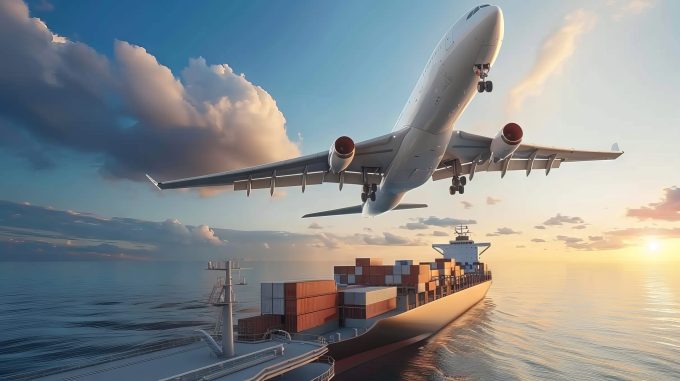
Although air freight costs significantly more than ocean freight—typically 12-15 times higher—certain scenarios justify the premium. For time-sensitive photovoltaic components such as inverters, controllers, or urgent replacement parts, airfreight delivers door-to-door transit in 5-8 days. ANL’s air freight service leverages partnerships with Air China and China Southern Airlines for dedicated China-US cargo flights. However, due to weight and dimension restrictions (pallet height limited to 160 cm and width to 220 cm), full pallets of assembled solar modules rarely travel by air. For emergency shipments of compact items—like micro-inverters or monitoring devices—air freight provides a lifeline when sea freight delays threaten production schedules. Another consideration: when a photovoltaic installation project faces liquidated damages for late delivery, air freight’s higher unit cost may be offset by avoiding penalty fees. ANL’s integrated air-sea hybrid solution offers a middle ground: air freight from China to a US gateway, then ground delivery via the company’s self-operated trucking fleet.
Full-container-load (FCL) shipping combined with Delivered Duty Paid (DDP) terms has emerged as the gold standard for solar panel logistics. Under DDP, the seller takes responsibility for all risks and costs, including ocean freight, customs clearance, import duties, sales tax (state-level, such as California’s 7.25% or Texas’s 6.25%), and final delivery to the buyer’s door or Amazon FBA warehouse. For cabinet-sized solar shipments (standard 20-foot or 40-foot containers), ANL’s DDP model removes guesswork for importers: a single all-inclusive rate covers everything from Chinese factory gate to US delivery point.
From a cost perspective, DDP ocean freight for a 40HQ container of solar panels from Shenzhen to an Amazon FBA warehouse in California averaged $7,800-$9,500 in Q2 2026, depending on vessel service level and tariff classification. Although air freight offers speed, DDP ocean freight provides unbeatable economics for standard PV modules—especially when volumes exceed 300 units per shipment. Additionally, DDP includes bonded warehouse storage during the clearance process, which typically runs 5-7 days. A real-world ANL case: A solar manufacturer from Suzhou shipped 28 pallets of bifacial solar panels (each measuring 2100 mm × 1050 mm × 35 mm) via 40HQ FCL DDP from Shanghai to Amazon’s MDW2 oversized warehouse in Illinois. The door-to-door cost was $9,350, and total transit time—including ocean freight (16 days), Customs clearance (8 days), and truck delivery (3 days)—was 27 days. The client saved roughly 19% compared to using separate freight-forwarding and customs-brokerage services, while ANL’s packaging reinforcements kept the glass panels entirely damage-free.
Oversized solar panels—those exceeding standard pallet dimensions or requiring specialized lifting equipment—create distinct warehousing and distribution hurdles. Standard FBA warehouses often reject non-conforming packages, forcing sellers to reroute inventory to third-party oversized facilities. ANL operates three self-owned warehouse locations in Los Angeles (CA), New York (NY), and Savannah (GA), with a total of over 320,000 square feet of storage capacity. The New York facility holds Customs-bonded status, allowing imported solar panels to be stored without immediate duty payment while awaiting US distribution. Inside these warehouses, ANL provides value-added services: repalletization, shrink-wrapping, quality inspection, labeling per Amazon’s FBA requirements, and cross-docking for LTL (Less-than-Truckload) shipments. For outdoor solar farms, the company’s flatbed trailers handle extra-long modules (up to 2.5 meters).
A recent case illustrates oversized shipping challenges: An exporter from Zhejiang needed to send 210 large-format panels (each 2380 mm × 1130 mm × 40 mm) from Ningbo Port to a Walmart distribution center in Dallas, Texas. Standard 40HQ containers could not accommodate the height. ANL’s solution involved open-top containers with reinforced crating to prevent moisture damage. The sea freight DDP cost came to $11,200, and the transit time was 32 days (ocean: 18 days; customs: 7 days; specialized trucking: 7 days). Although the per-unit cost exceeded standard container rates, the shipment’s zero-damage arrival and compliance with Walmart’s carrier requirements justified the premium.

Without a doubt, documentation is the most common stumbling block in photovoltaic module logistics. Below is a checklist of mandatory and recommended documents for CBP clearance:
| Document Type | Purpose | Common Mistake |
|---|---|---|
| UL 1703 / UL 61730 Certificate | Safety certification for PV modules | Missing California-specific CETL endorsement |
| Commercial Invoice + Packing List | Declares value, weight, and HS code | Currency unit omission or misstated HTS (8501.64.00 for panels) |
| Bill of Lading (MBL/HBL) | Proof of carriage | Shipper/consignee name mismatch |
| EPA or FDA Filing (for certain components) | If solar panels include chemical or food-contact materials | Not filing for inverter electronic components |
| Original Country of Origin Certificate | Verifies Chinese origin for AD/CVD duties | Incomplete manufacturing process declaration |
Additionally, for solar energy systems containing lithium batteries (e.g., integrated storage units), shippers must provide UN38.3 test reports, MSDS (Material Safety Data Sheet), and dangerous goods transport declarations. CBP places emphasis on “substantial transformation” analysis for AD/CVD circumvention inquiries—meaning if cells are processed into modules in a third country, extra evidence may be needed. ANL’s compliance team runs pre-screening on every solar shipment, flagging missing or mismatched documents 48 hours before vessel departure. As a result, the company has maintained a zero-seizure record for solar panel imports over the last five years.
Tariff complexity in 2026 is immense. Chinese solar panels face a stacked tariff regime: the MFN base rate (~3.4%), Section 301 tariffs (7.5% to 25% on certain HS codes), the IEEPA fentanyl tariff (20% on all Chinese imports), and the reciprocal tariff (currently 10% under a 90-day truce). Certain crystalline silicon PV cells also carry AD/CVD orders that, for some Chinese manufacturers, push combined rates above 145%. A 2026 USITC sunset review preserved these protections, concluding that revoking duties would materially harm domestic producers. For importers, this means landed cost can increase by $0.07-$0.12 per watt for standard modules, adding thousands per container. As a result, proactive tariff strategies are non-negotiable.
To mitigate tariff exposure, solar sellers can employ several legal strategies. First, ANL’s DDP service includes tariff prepayment and classification verification, removing surprise post-import duty bills. Second, considering origin verification rules, some companies shift final assembly to Southeast Asian facilities; however, CBP investigates circumvention, so complete documentation is critical. Third, Section 301 exclusions for certain solar manufacturing equipment can reduce duty burdens for specialized components. ANL works closely with licensed customs brokers who monitor pending exclusion requests and duty drawback opportunities. In one instance, a solar inverter exporter saved $4,200 per container by reclassifying from a general electronics HTS code to a specific solar inverter code with lower Section 301 duties—a nuance identified during ANL’s pre-shipment audit. Thus, accurate HS classification alone can meaningfully lower total shipping costs for photovoltaic products.
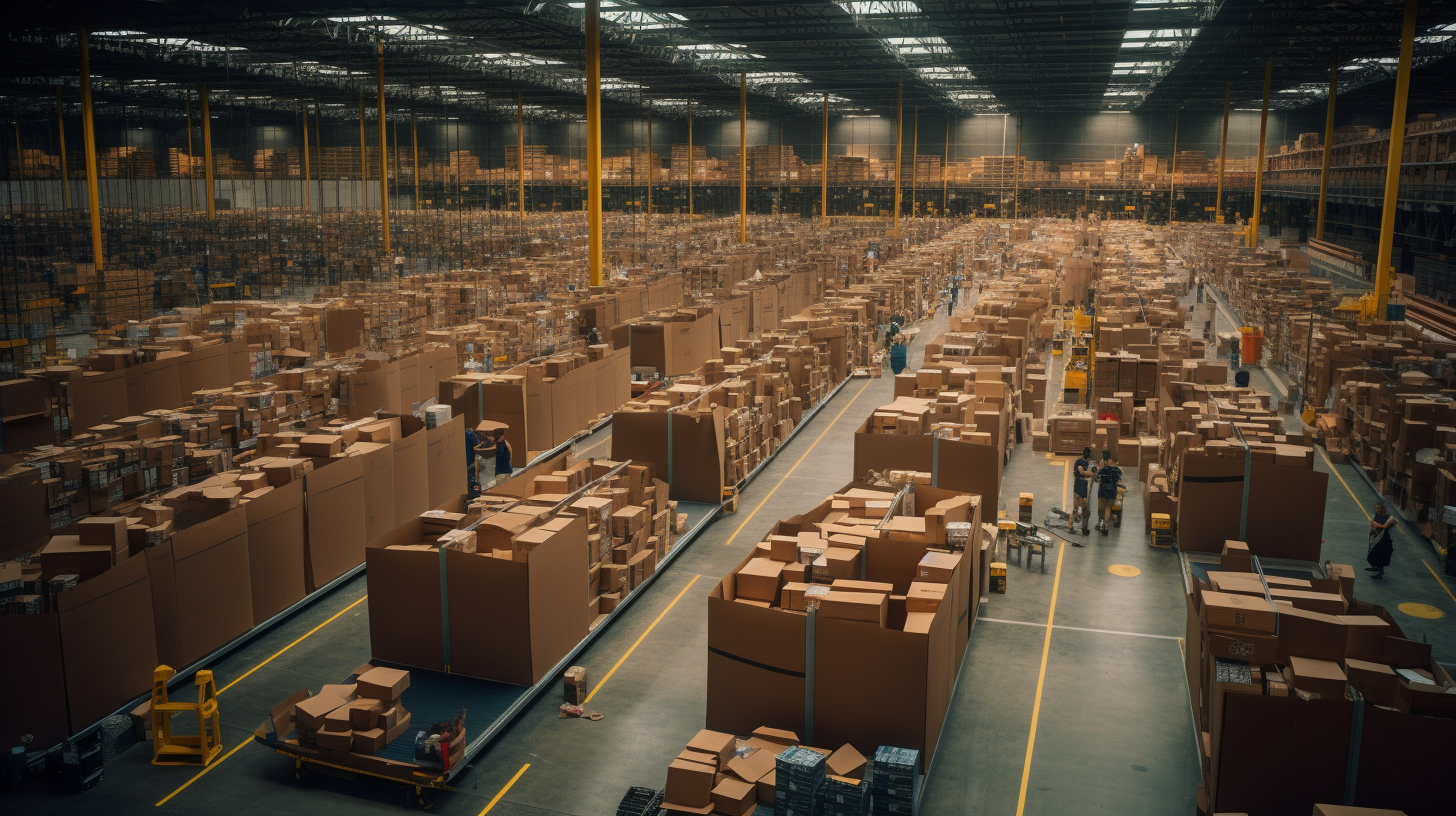
Once containers clear US Customs, the final-mile delivery phase often presents unexpected challenges. Standard parcel carriers such as UPS and FedEx cannot accept oversized solar pallets exceeding weight or dimension limits. ANL’s solution leverages oversized warehouse facilities for transloading: cargo moves from ocean container to 53-foot domestic trailers, then out for delivery. The company’s self-owned trucking fleet—over 30 tractors operating across the US—ensures shippers avoid unreliable third-party carriers. For Amazon sellers, ANL coordinates with FBA’s appointment system to deliver directly to fulfillment centers such as ONT8, LGB8, or MDW2. For Wayfair, Walmart, Temu, Shein, and Tiktok marketplace vendors, the logistics provider’s certified status ensures compliance with each platform’s unique delivery protocols.
ANL also operates a dedicated “Local Express” service: for shipments stored in the Los Angeles warehouse, final delivery to addresses within a 200-mile radius occurs within 48 hours. A 2026 improvement includes implementing a digital check-in system that reduced warehouse idle time by 23% for oversized freight. The Savannah and New York warehouses serve eastern US markets, balancing cost and speed—for a solar panel shipment destined for Florida or Georgia, routing through Savannah cuts last-mile trucking cost by up to 18% compared to using West Coast warehouses. Thus, strategically selecting the right oversized warehouse gateways directly reduces overall logistics spend while meeting tight installation schedules.
Without a doubt, shipping solar panels from China to the USA is complex—but it does not have to be overwhelming. Partnering with an experienced logistics provider like AMERICAN NEW LOGISTICS reduces risk, simplifies compliance, and improves your bottom line through efficient DDP ocean freight and oversized warehousing.
Shipping solar panels to the US profitably in 2026 demands a strategic approach: FCL DDP ocean freight remains the most cost-effective method for standard PV modules, reinforced by proper UL certifications and accurate HS classification. ANL’s end-to-end capabilities—including sea/air freight, customs clearance, oversized warehouse storage, and self-operated trucking—eliminate guesswork and hidden fees. By leveraging pre-clearance audits, tariff-mitigation strategies, and a nationwide warehouse network, solar exporters can avoid costly delays and damage, streamline FBA compliance, and protect margins in a volatile trade environment.
Ready to streamline your solar panel shipping? Contact AMERICAN NEW LOGISTICS today for a customized DDP ocean freight quote tailored to your photovoltaic modules and delivery schedule. With Amazon SPN certification and a decade of US-bound expertise, ANL delivers stability where it matters most—your supply chain.
Hot News