AMERICAN NEW LOGISTICS It is an international logistics comprehensive service provider registered in Los Angeles, California, USA
 Chinese
How to Export Energy Storage Batteries to the United States Without Costly Delays?Release time:2026-06-03 views:991
For manufacturers entering the North American energy market, understanding how to export energy storage batteries to the United States has become far more complicated than simply booking ocean freight. Regulatory compliance, customs documentation, lithium battery transportation requirements, and changing tariff policies can easily create unexpected costs.
At AMERICAN NEW LOGISTICS, we have handled hundreds of battery-related projects ranging from residential ESS systems to commercial containerized energy storage equipment. This article explains the actual logistics challenges exporters face and the solutions that consistently work in the U.S. market.
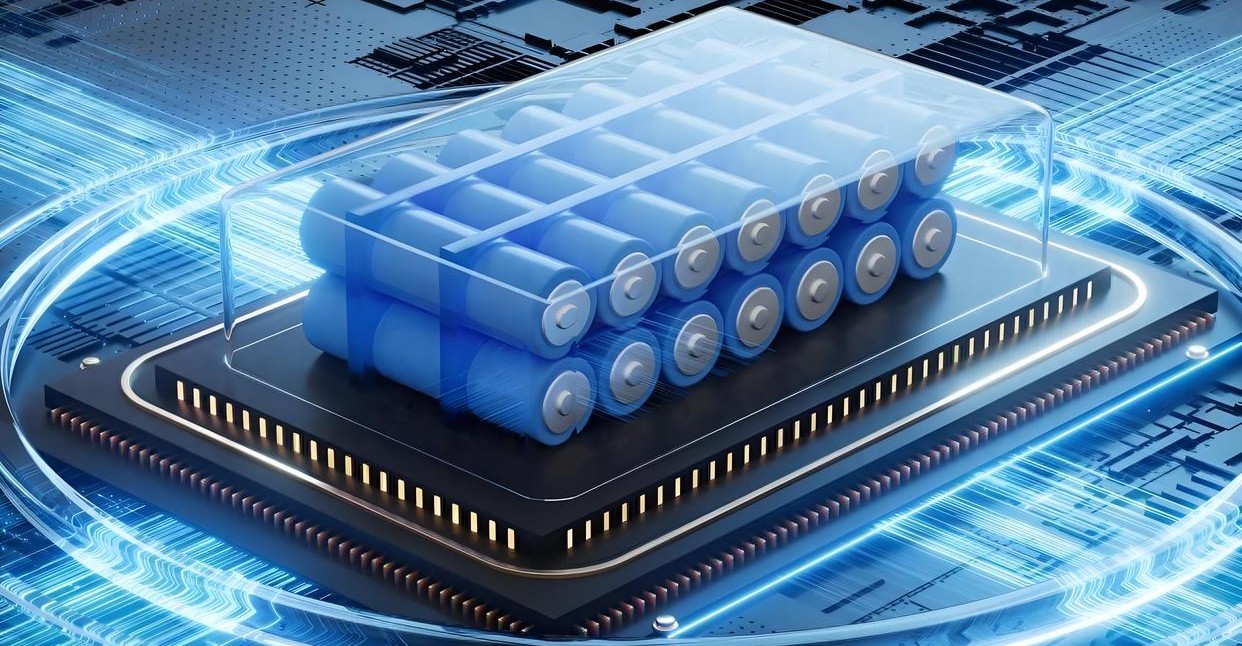
Energy storage batteries combine two highly regulated sectors: electrical equipment and lithium battery transportation. Unlike ordinary consumer goods, ESS products are examined by multiple authorities throughout the logistics chain.
Many exporters focus entirely on manufacturing certifications while overlooking transportation compliance. However, carriers often reject cargo long before customs officials review import documentation.
Typical energy storage systems may contain:
Accordingly, the shipment may involve both electrical compliance reviews and dangerous goods assessments before loading.
One of the most common reasons for shipment delays is incomplete certification documentation. U.S. buyers increasingly request compliance records before issuing purchase orders.
UN38.3 verifies that lithium batteries can safely withstand transportation conditions such as vibration, shock, thermal exposure, and altitude simulation.
MSDS (Material Safety Data Sheet) provides transportation carriers with technical battery information, emergency procedures, and hazard classifications.
For residential and commercial energy storage systems, UL9540 and UL1973 certifications are frequently requested by utilities, project developers, and distributors.
Without a doubt, certification planning should begin before production rather than immediately before shipment.
Most exporters evaluate transportation options based on urgency, battery capacity, and project schedules.
| Method | Transit Time | Cost Level | Recommended Use |
|---|---|---|---|
| Ocean FCL | 22-35 Days | Low | Large Projects |
| Ocean LCL | 30-45 Days | Medium | Small Orders |
| Air Freight | 5-10 Days | High | Urgent Deliveries |
| DDP Service | 25-40 Days | Medium | Turnkey Imports |
For most commercial projects, exporters prefer seafreight because transportation costs remain significantly lower than air transportation.
However, replacement battery modules and warranty units often move through airfreight when downtime penalties exceed freight expenses.
Many suppliers underestimate the total landed cost because freight charges represent only one portion of the final expense.
| Cost Item | Typical Share | Main Driver |
|---|---|---|
| Ocean Freight | 25%-40% | Container Rates |
| Customs Duties | 15%-35% | HTS Classification |
| Domestic Delivery | 10%-20% | Distance |
| Compliance Costs | 5%-15% | Testing & Certification |
Indeed, proper HTS Code classification frequently determines whether an importer pays significantly higher duties than necessary.
U.S. Customs and Border Protection (CBP) reviews documentation carefully when batteries enter the country.
The most frequently requested documents include:
Moreover, importers typically require a valid Bond and Importer of Record (IOR) before customs entry can be submitted through the ACE system.

In February 2026, our team managed a shipment of residential lithium battery cabinets from Shenzhen, China, to Long Beach, California.
Cargo details included twelve battery cabinets measuring 1.8m × 1.2m × 2.1m each, with a total cargo value of approximately USD 168,000.
The shipment moved under FCL (Full Container Load) service using COSCO. Total logistics expenditure reached approximately USD 7,900.
Transit time from factory pickup to final warehouse delivery was 31 days.
Because certification documents had been prepared before cargo loading, customs clearance was completed within 48 hours after vessel arrival.
During May 2025, we coordinated the transportation of commercial energy storage battery modules from Ningbo, China, to Houston, Texas.
The shipment consisted of 28 palletized battery packs with a combined gross weight of 17.6 tons. The customer selected DDP (Delivered Duty Paid) service because they lacked a U.S. importing entity.
We arranged export documentation, ISF filing, customs entry, duty payment, and final delivery. Total logistics costs reached approximately USD 12,800.
The complete transportation cycle required 36 days from factory pickup to project site delivery.
Additionally, our customs team identified a classification discrepancy before filing. Correcting the HTS Code prevented an estimated USD 4,300 in additional duty exposure.
In August 2025, an ESS manufacturer operating in Vietnam shipped replacement battery modules to a California distributor.
The shipment measured 5.4 CBM with a total weight of 2.1 tons. Because the distributor faced a project deadline, the cargo moved by air freight.
Transportation costs reached approximately USD 8,600, while transit time from origin pickup to final delivery was only 8 days.
Although air freight costs were significantly higher than ocean transportation, the customer avoided project penalties exceeding USD 30,000.
Over the past three years, we have observed a major shift among battery exporters. Many manufacturers no longer want to manage separate freight providers, customs brokers, and trucking companies.
As a result, DDP logistics has become the preferred solution for small and medium-sized ESS exporters entering the American market.
Under a DDP structure, one logistics provider coordinates:
For customers shipping containerized systems, our cabinet service simplifies project management while reducing communication errors across multiple vendors.
Energy storage projects rarely follow perfect schedules. Installation dates often change because of permitting delays, construction issues, or utility approvals.
Consequently, immediate delivery is not always the most efficient strategy.
Many experienced exporters now position inventory inside U.S. fulfillment facilities before project deployment.
Through strategically located warehouse operations, importers can shorten delivery lead times while reducing customer wait periods.
This approach is particularly effective for:
Many importers assume customs delays occur randomly. In practice, most inspections result from predictable compliance issues.
The most common risks include:
However, proactive document reviews can eliminate most of these problems before cargo departs Asia.
Through our dedicated customs clearance team, we routinely perform pre-departure audits to identify documentation gaps before CBP reviews the shipment.
Based on hundreds of battery-related shipments handled by our operations team, we developed an internal metric called the "Compliance-to-Freight Ratio."
Our analysis of ESS projects between 2024 and 2026 revealed that approximately 74% of logistics delays originated from documentation and compliance issues rather than transportation disruptions.
Only 26% of delays resulted from vessel schedule changes, port congestion, weather conditions, or trucking shortages.
This insight challenges a common assumption among exporters. Most companies focus heavily on freight rates while investing insufficient resources in compliance preparation.
Accordingly, the highest-return logistics investment is often document readiness rather than carrier selection.
The final mile remains one of the most overlooked stages of battery logistics.
Many commercial energy storage units exceed standard pallet dimensions and require specialized handling equipment.
For oversized battery systems, project managers frequently need:
For particularly large systems, our oversized cargo specialists coordinate transportation planning before cargo reaches the destination port.
Moreover, final delivery frequently requires integration with local delivery and distribution services to ensure equipment reaches project sites safely.
Understanding how to export energy storage batteries to the United States requires much more than booking freight. Compliance planning, certification management, customs preparation, and domestic delivery coordination all influence project success.
Whether you ship residential ESS units, commercial battery cabinets, or utility-scale storage systems, early preparation can dramatically reduce delays, penalties, and unexpected expenses.
At About ANL, our teams support manufacturers throughout the entire logistics lifecycle, from factory pickup in Asia to final project delivery across the United States.
Planning your next energy storage project? Contact AMERICAN NEW LOGISTICS for customized DDP, FCL, air freight, customs compliance, and warehouse solutions tailored to battery shipments entering the U.S. market.
1. Can lithium energy storage batteries be shipped by air to the United States?
Yes. Proper dangerous goods declarations and airline-approved packaging are required for compliant air transportation.
2. What documents are needed for battery customs clearance?
Commercial invoice, packing list, MSDS, UN38.3 report, ISF filing records, and product specifications are commonly required.
3. How long does ocean shipping from China to the United States take?
Typical battery shipments require 22 to 35 days depending on routing, carrier schedules, and destination location.
4. Is DDP available for commercial battery projects?
Yes. Many importers use turnkey DDP logistics to simplify duties, customs processes, and domestic delivery management.
5. Which U.S. ports are most common for ESS imports?
Long Beach, Los Angeles, Houston, Savannah, and New York remain major gateways for battery-related cargo.
6. How can importers reduce customs examination risks?
Accurate HTS classification, complete battery testing reports, and pre-shipment compliance reviews significantly improve clearance outcomes.
7. Should battery exporters use overseas warehousing?
Warehousing helps support project staging, warranty inventory, replacement parts, and regional distribution strategies.
8. What is the biggest hidden cost in battery logistics?
Documentation errors often create delays, storage charges, reclassification costs, and missed project deadlines.
Hot News