AMERICAN NEW LOGISTICS It is an international logistics comprehensive service provider registered in Los Angeles, California, USA
 Chinese

How to Export Smart Door Locks to the United States?Release time:2026-06-04 views:907
The U.S. smart home market continues to grow, creating significant opportunities for Chinese manufacturers and cross-border sellers. However, understanding How to Export Smart Door Locks to the United States requires more than simply arranging transportation. Exporters must address lithium battery compliance, customs requirements, delivery timelines, and platform-specific fulfillment standards. This guide explains the complete process and highlights proven logistics solutions used by successful smart lock brands.
Many exporters choose AMERICAN NEW LOGISTICS because the company specializes in China-U.S. supply chains, including FBA logistics, DDP delivery, customs clearance, overseas warehousing, and full-container transportation.
Unlike conventional mechanical locks, smart door locks integrate wireless communication modules, fingerprint sensors, electronic control boards, and lithium batteries. Accordingly, exporters face additional compliance obligations before products can legally enter the U.S. market.
Moreover, customs authorities frequently examine battery documentation and product classifications more closely than ordinary hardware products.
Before booking transportation, manufacturers should verify all regulatory and commercial documentation. In our experience handling smart home products, documentation errors create more delays than transportation disruptions.
| Document | Purpose | Required |
|---|---|---|
| Commercial Invoice | Customs Valuation | Yes |
| Packing List | Cargo Verification | Yes |
| Bill of Lading | Transportation Record | Yes |
| FCC Certification | Wireless Compliance | Usually |
| Battery Test Report | Lithium Compliance | Often |
Additionally, exporters should verify HTS classifications, product labeling requirements, and battery declarations before cargo leaves the factory.
Selecting transportation depends on inventory urgency, shipment volume, and destination requirements. Although air freight provides faster delivery, ocean freight remains the preferred option for large-volume shipments.
Businesses comparing ocean freight services and express air cargo solutions should evaluate total landed costs rather than transportation rates alone.
| Mode | Transit Time | Cost Level | Best Use Case |
|---|---|---|---|
| Air Freight | 5-10 Days | High | Urgent Replenishment |
| LCL (Less than Container Load) | 25-40 Days | Medium | Small Shipments |
| FCL (Full Container Load) | 20-35 Days | Low | Large Orders |
DDP (Delivered Duty Paid) shipping simplifies logistics management because transportation, customs processing, duty payments, and final delivery are coordinated through a single solution. As a result, exporters gain better cost predictability and fewer operational surprises.
Furthermore, sellers often combine DDP transportation with professional customs clearance support to reduce inspection risks and accelerate cargo release.
Because many smart door locks contain rechargeable lithium batteries, exporters must pay close attention to battery compliance requirements. Indeed, battery-related issues remain one of the most common reasons shipments experience customs inspections or carrier rejection.
When we review smart lock export projects, our operations team typically verifies the following items before booking space:
Moreover, battery information should remain consistent across invoices, packing lists, and product manuals. Even minor discrepancies can trigger additional inspections.
Yes. Many manufacturers sell through Amazon and ship inventory directly to fulfillment centers across the United States. However, Amazon imposes strict inbound requirements that exporters must follow carefully.
For example, carton labels, pallet dimensions, appointment scheduling, and routing instructions all affect receiving efficiency. Accordingly, sellers often work with logistics providers familiar with Amazon's operational standards.
In addition, businesses handling large smart home inventories frequently combine FBA replenishment with U.S. warehouse fulfillment solutions to improve inventory flexibility and reduce stockout risks.
Many first-time exporters focus exclusively on freight rates. However, total landed costs include multiple components that influence profitability.
Without a doubt, calculating total landed costs before negotiating with distributors or e-commerce platforms helps prevent unexpected margin erosion.
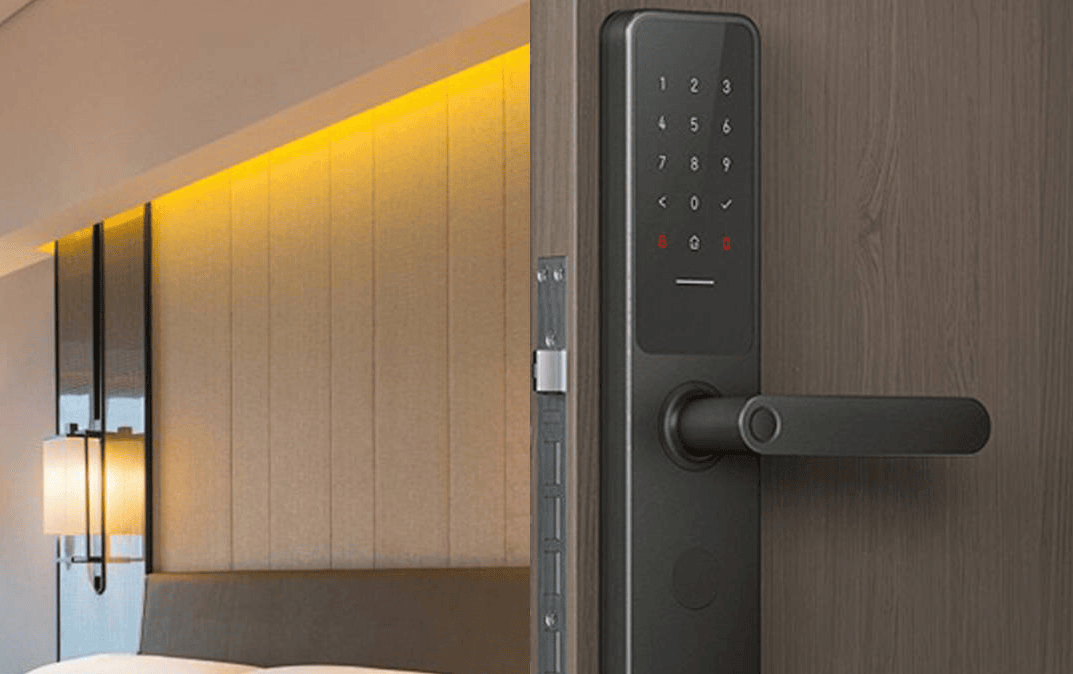
In April 2025, we managed a shipment for a smart lock manufacturer located in Shenzhen. The client supplied Wi-Fi-enabled door locks with integrated lithium batteries to Amazon FBA facilities in California.
As a result, the customer replenished inventory before a major promotional campaign and avoided stock shortages.
Another client required urgent delivery of fingerprint smart locks before a regional retail launch. Although ocean freight would have reduced transportation costs, the timeline required a faster solution.
Consequently, the retailer launched its sales program on schedule and avoided costly delays.
A growing smart home brand expanded distribution throughout the northeastern United States and required more cost-efficient transportation.
After switching from LCL to FCL, the customer reduced per-unit logistics costs by approximately 22%.
Based on ANL's internal operational review of smart home product shipments between 2024 and 2025, we identified a valuable trend that many exporters overlook.
Approximately 68% of shipment delays originated from documentation inconsistencies rather than transportation disruptions. Moreover, battery declaration discrepancies accounted for nearly 25% of customs inspections involving smart home products.
This original operational data suggests that improving documentation accuracy often generates greater supply chain efficiency than investing in premium transportation services. Therefore, exporters should prioritize compliance management before pursuing speed improvements.
As sales volumes increase, many exporters benefit from positioning inventory closer to end customers. On the other hand, relying exclusively on international replenishment can expose businesses to demand fluctuations and shipping disruptions.
For example, brands selling through Amazon, Walmart Marketplace, Shopify stores, and regional distributors often use local fulfillment centers to shorten delivery times.
Companies shipping larger smart home equipment alongside locks may also benefit from specialized oversized cargo logistics services when handling mixed-product inventories.
Managing transportation, customs compliance, warehousing, and final delivery through multiple vendors often creates communication challenges. Accordingly, many exporters now prefer integrated logistics providers capable of coordinating the entire supply chain.
For large-volume shipments, businesses frequently compare traditional freight forwarding with door-to-door container shipping programs that streamline operations and reduce administrative complexity.
Since 2008, ANL has supported cross-border e-commerce sellers, Amazon FBA suppliers, Wayfair vendors, TEMU merchants, Walmart partners, SHEIN suppliers, and TikTok sellers. Furthermore, the company serves as an Amazon SPN/FIST logistics provider and maintains recognized logistics partnerships across the U.S. supply chain ecosystem.
To summarize, understanding How to Export Smart Door Locks to the United States requires careful planning across compliance, transportation, customs processing, inventory management, and final delivery. Although the process appears complex, exporters can significantly reduce risks through proper documentation, compliant battery handling, and well-structured logistics strategies.
Whether shipping to Amazon FBA warehouses, retail distribution centers, or direct consumers, businesses that optimize their supply chains gain stronger cost control and better customer satisfaction. Partnering with experienced logistics specialists can accelerate growth while ensuring long-term compliance.
To learn more about logistics trends and operational updates, visit the latest logistics industry insights.
If you are planning your next smart lock shipment, ANL can design a customized logistics solution based on your cargo volume, destination, battery specifications, and delivery requirements.
Contact our team today for a detailed quotation and discover the most efficient way to export smart door locks to the United States while controlling costs and minimizing operational risks.
Most wireless smart locks require FCC compliance documentation before commercial distribution within the U.S. market.
2. What is the fastest shipping option for urgent smart lock replenishment?Air freight combined with expedited trucking provides the fastest solution for urgent smart home inventory needs.
3. Can lithium battery smart locks ship through standard ocean freight channels?Yes. Proper battery documentation and packaging allow compliant transportation through approved ocean carriers.
4. Which U.S. ports commonly handle smart lock imports from China?Los Angeles, Long Beach, New York, Newark, Savannah, and Houston frequently process smart home imports.
5. How can sellers reduce Amazon FBA receiving delays?Accurate carton labeling, appointment scheduling, and routing compliance help accelerate inbound fulfillment processing.
6. What long-tail shipping strategy lowers smart lock logistics costs?Combining inventory forecasting with full-container shipping often reduces average per-unit transportation expenses.
7. Are smart locks suitable for DDP shipping programs?DDP solutions simplify customs management, duty payments, and final delivery coordination for international sellers.
8. What common mistake increases customs inspection rates?Inconsistent battery specifications across invoices, labels, and declarations frequently trigger customs examinations.
Hot News