AMERICAN NEW LOGISTICS It is an international logistics comprehensive service provider registered in Los Angeles, California, USA
 Chinese
How to shipping commercial equipment exported to Los Angeles, USA?Release time:2026-06-29 views:907
To successfully handle commercial equipment exported to Los Angeles, USA, importers must align structural logistics with strict regulatory compliance. The operational process requires accurate HTS code classification, securing appropriate ocean container configurations (such as Flat Rack or Open Top for Out-of-Gauge machinery), and navigating U.S. Customs and Border Protection (CBP) data validation. Ensure all integrated motors or cooling units meet EPA and OSHA-recognized NRTL (like UL) standards. Because commercial machinery often exceeds standard weight profiles, arranging heavy-duty tri-axle chassis and securing California DOT overweight permits prior to arrival at the Port of Los Angeles or Long Beach is critical to avoiding extreme demurrage fees.
Transporting commercial equipment exported to Los Angeles, USA, represents one of the most operationally demanding segments of trans-Pacific project cargo logistics. Unlike standard consumer goods packed into uniform cartons, commercial machinery—ranging from automated packaging lines and industrial CNC machines to large-scale commercial kitchen infrastructure—demands highly specialized handling. The intersection of irregular physical dimensions, immense weight profiles, and multi-agency regulatory frameworks leaves zero margin for logistical planning errors.
When routing heavy industrial assets through the Southern California supply chain gateways, the logistics process extends far beyond booking ocean freight vessel space. Importers and manufacturers face immediate exposure to severe financial risks at the pier if customs documentation falters or if (final-mile) transport configurations are miscalculated. Managing these shipments demands an integrated approach that synchronized technical engineering data with precise U.S. Customs clearance protocols.
Since 2008, AMERICAN NEW LOGISTICS has functioned as a premier asset-based operator specializing in complex cross-border logistics. Managing complex, high-value asset shipping through the Port of Los Angeles and Long Beach requires local technical infrastructure and deep regulatory familiarity. This operational analysis provides the structural, risk-mitigated blueprint required to manage commercial machinery entries efficiently.
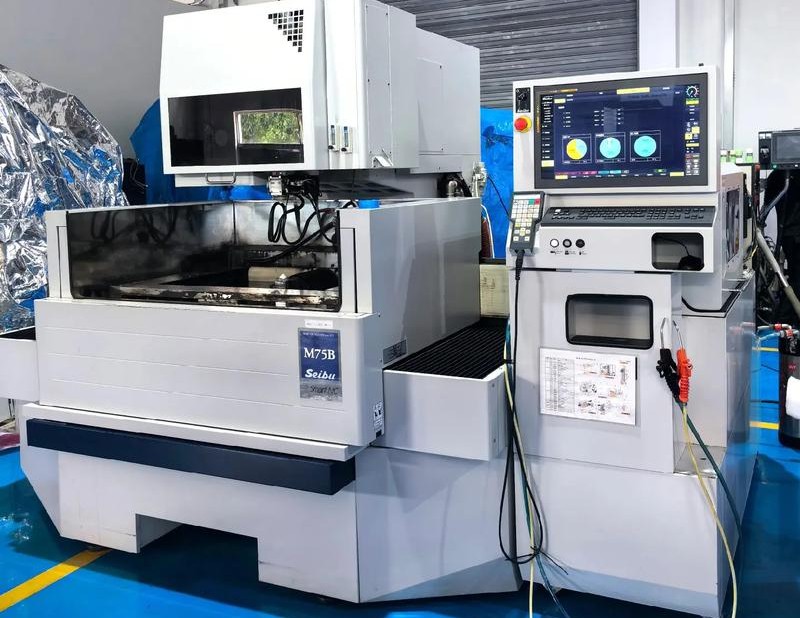
The structural dimensions and gross weight of your commercial equipment dictate your core ocean freight engineering strategy. Forcing specialized machinery into standard container configurations without analyzing loading mechanics frequently leads to structural cargo shifting, port rejections, or cargo damage. Logistics teams must analyze the machinery's physical specifications against ocean carrier equipment parameters well before the cargo arrives at the origin port.
If your machinery fits neatly within the internal dimensions of standard equipment, utilizing standard configurations is highly cost-effective. However, when handling Out-of-Gauge (OOG) machinery, specialized equipment must be booked. Below are the operational boundaries for choosing container configurations:
When commercial equipment is exported to Los Angeles, USA, U.S. Customs and Border Protection (CBP) analyzes the entry not just for revenue collection, but for strict domestic safety and environmental compliance. Commercial machinery frequently interfaces with electricity, pressure systems, or combustion components, which triggers intensive oversight from Partner Government Agencies (PGAs).
Importers must ensure their technical engineering files match their customs clearance declarations perfectly. The automated systems flagged entries where machine classifications do not align with secondary regulatory requirements. The table below outlines the primary compliance benchmarks required for typical commercial equipment entries:
U.S. Regulatory Compliance Requirements for Commercial Machinery
| Target Component | Governing Agency | Required Documentation / Marking |
|---|---|---|
| Electric Motors & Controls | OSHA / NRTL (UL, ETL) | NRTL Listing Mark, Electrical Schema Schematics, Factory Test Reports. |
| Internal Combustion Engines | EPA (Environmental Protection Agency) | EPA Form 3520-21, Emissions Compliance Label permanently affixed to the engine block. |
| Solid Wood Packaging / Skids | USDA (CBP Agriculture) | ISPM 15 Compliant Heat Treatment Stamp (IPPC Mark) visible on at least two sides. |
A frequent mistake in project logistics budgeting is oversimplifying the tariff and tax exposure. Under Section 301 trade actions, many commercial machinery categories originating from China remain subject to punitive ad valorem tariffs ranging from 7.5% to 25% on top of their base HTS duty rates. Misclassifying an HTS code to bypass these tariffs triggers rapid CBP audits and long-term cargo detentions at a Centralized Examination Station (CES).
To establish a transparent budgeting model, importers must break down their financial exposure across the entire transportation life cycle. The cost model below indicates how expenses distribute when routing heavy commercial equipment via premium seafreight channels directly into California terminals:
Typical Cost Allocation Model for Commercial Equipment Shipping
In August 2025, our specialty project cargo division at ANL took over an emergency rescue operation involving a high-value shipment of automated commercial agricultural packaging machinery exported to Los Angeles, USA. The cargo consisted of 4x40ft High Cube cabinet configurations shipped from Asia. Upon arrival at the Long Beach terminal, CBP placed an immediate hold on behalf of the EPA due to an unresolved data mismatch involving the auxiliary diesel power units integrated into the machinery.
The client was facing devastating terminal demurrage penalties scaling at $450 per container daily, coupled with contract penalties from their West Coast buyer. Our team immediately initiated our structured emergency customs response protocol:
By executing this precise multi-step recovery, we secured total asset release within 48 hours of taking over the file, bypassing further CES intensive physical inspections and preventing thousands of dollars in compounding port storage costs.
The logistics journey does not end when the ship berths at the Port of Los Angeles. In fact, the final mile across California highways presents the most strict legal parameters for commercial equipment movement. Under California Department of Transportation (Caltrans) guidelines, standard legal gross vehicle weight is capped strictly at 80,000 lbs, including the weight of the truck, chassis, and container.
Because industrial commercial equipment frequently pushes the container payload past 44,000 lbs, standard tandem-axle chassis are illegal to operate. Transporting these loads requires a sophisticated local infrastructure setup. Importers must ensure their freight forwarding partner operates dedicated asset equipment within the local port zones.
To remain fully compliant with regional highway laws, heavy commercial equipment logistics must integrate specific transport protocols:
To convert complex machinery logistics into a predictable, repeatable process, manufacturing and supply chain teams must move away from reactive shipping methods. Implementing a standardized, sequential timeline ensures all regulatory and physical parameters are satisfied before the cargo leaves the production floor.
Executing your equipment export strategy should follow a strict technical progression:
Successfully managing commercial equipment exported to Los Angeles, USA, requires balancing mechanical engineering awareness with strict federal trade compliance. Treating specialized industrial cargo like standard commodity freight guarantees costly port delays, compounding demurrage fees, and severe regulatory exposure. By executing thorough pre-filing compliance audits, selecting optimal container configurations, and partnering with an asset-backed logistics provider that owns specialized drayage equipment in Southern California, your enterprise can protect its capital equipment investments and secure predictable delivery timelines. To analyze your equipment's specific HTS tariff exposure or design a custom West Coast transload plan, consult with our specialized project logistics engineering desk by reading our About company background or tracking our macro operational updates across our global news network.
Are you exporting high-value commercial equipment, industrial machinery, or automated systems through the Port of Los Angeles or Long Beach? Avoid devastating CBP detentions, Section 301 tariff misclassifications, and California highway weight violations. Partner with American New Logistics (ANL). We provide full engineering file pre-audits, dedicated heavy-haul chassis fleets, and complete end-to-end transparency.
Project Cargo Desk: Asset Logistics Support Network
Get free quotations for commercial equipmentQ1: What is the maximum legal cargo weight for a standard 40ft container in California without a permit?
The maximum cargo payload typically ranges between 43,000 to 44,000 lbs to keep the total gross vehicle weight under the legal 80,000 lbs threshold.
Q2: Does commercial kitchen equipment exported to Los Angeles require an NRTL or UL certificate for customs entry?
CBP does not strictly require UL certification for customs release, but local U.S. building codes and OSHA regulations mandate it for commercial operation.
Q3: How long can commercial machinery sit in the Port of Los Angeles before demurrage charges accumulate?
Standard ocean carrier container free time at LA/LB ports typically ranges from 4 days for dry vans to 2 days for specialized OOG containers.
Q4: What happens if U.S. Customs finds mold or bark on the wooden crates used for machinery?
The USDA will issue an immediate emergency action notification, ordering the entire container to be exported or returned to origin immediately.
Q5: Can I clear commercial machinery through Los Angeles ports using a single-entry customs bond?
Yes, but for high-value commercial equipment subject to Section 301 tariffs, a Continuous Customs Bond is highly recommended to prevent collateral delays.
Q6: What is an Out-of-Gauge (OOG) container surcharge?
An OOG surcharge is an ocean carrier fee applied when cargo dimensions exceed the physical boundaries of a standard open top or flat rack container.
Hot News