AMERICAN NEW LOGISTICS It is an international logistics comprehensive service provider registered in Los Angeles, California, USA
 Chinese
How to Choose an Overseas Warehouse for Mechanical Equipment?Release time:2026-08-03 views:912
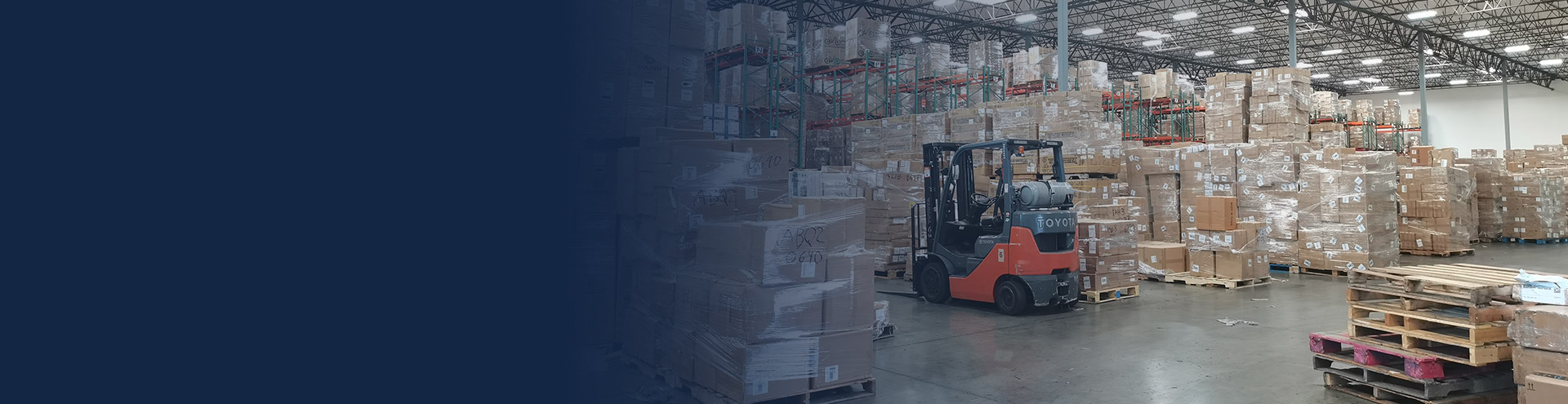
An overseas warehouse for mechanical equipment is a specialized storage facility that handles heavy machinery, industrial parts, and oversized equipment – with reinforced flooring, high ceilings, overhead cranes, and trained personnel for safe handling. Unlike standard warehouses, mechanical equipment warehouses must accommodate weights exceeding 5 tons per square meter, provide indoor and outdoor storage options, and offer value-added services like kitting, pre-assembly, and customs clearance support. Typical storage costs range from $15 to $45 per pallet per month or $0.50 to $2.00 per square foot per month, depending on location and facility capabilities. The right warehouse reduces transit times, lowers shipping costs, and simplifies US market distribution.
Mechanical equipment – from construction machinery and agricultural equipment to industrial pumps, compressors, and CNC machines – presents unique warehousing challenges. These are not consumer goods that fit on standard pallet racks. They are heavy, oversized, often oddly shaped, and require specialized handling equipment and trained personnel.
Over the past decade, AMERICAN NEW LOGISTICS has managed warehousing for hundreds of mechanical equipment shipments from China and Southeast Asia to the United States. This guide is written from a logistics operator's perspective – not a generic warehousing overview, but a practical roadmap for selecting, using, and optimizing an overseas warehouse for mechanical equipment.
Mechanical equipment is not like consumer goods. You cannot easily store it in a standard warehouse, and you certainly cannot ship it directly to an Amazon FBA center in most cases.
An overseas warehouse serves several critical functions for mechanical equipment exporters:
The alternative – shipping directly from China to the end customer – is slow, expensive, and risky. A single damaged shipment can cost thousands of dollars in replacement costs and lost customer trust.
Not all warehouses are created equal. Here is a structured evaluation framework based on our experience.
1. Facility Infrastructure
Mechanical equipment warehouses must have specific infrastructure that standard warehouses lack:
2. Location
Warehouse location directly impacts your logistics costs and delivery times. Key considerations:
3. Services and Capabilities
Beyond storage, look for value-added services that can simplify your supply chain:
4. Safety and Compliance
Mechanical equipment warehousing has significant safety and compliance requirements:
| Category | What to Check | Red Flags |
|---|---|---|
| Floor capacity | 10+ tons/m² for heavy machinery | Standard 5 tons/m² or less |
| Ceiling height | 14+ feet | Under 12 feet |
| Overhead crane | 5+ ton capacity | No crane available |
| Outdoor storage | Secured, paved, drained | Unpaved or unsecured |
| WMS integration | Real-time tracking available | Manual inventory only |
| Customs brokerage | In-house or partner broker | No customs support |
Cost structures for mechanical equipment warehousing vary significantly. Here is a breakdown based on ANL's operational experience.
Typical cost components:
Sample cost estimate for a 40HQ container of mechanical equipment parts (20 pallets, 30-day storage):
For comparison, storing the same equipment in a standard warehouse without heavy-duty capabilities would cost less upfront but risk damage, safety violations, and operational delays.
Here is how a typical mechanical equipment shipment is received, stored, and managed in an overseas warehouse.
This process sounds straightforward, but mechanical equipment introduces complications. Items may be oddly shaped, too heavy for standard forklifts, or require special handling. A warehouse that cannot handle these complications is not a viable option.
Based on our operational experience, here are the five biggest risks and how to mitigate them.
Risk 1: Damage During Handling – Mechanical equipment is heavy and often delicate. Improper handling can cause damage that is expensive to repair. Mitigation: Choose a warehouse with trained personnel, appropriate handling equipment (cranes, forklifts with proper attachments), and documented handling procedures.
Risk 2: Corrosion and Environmental Damage – Equipment stored outdoors or in unheated warehouses can corrode, rust, or suffer from moisture damage. Mitigation: Choose a warehouse with climate-controlled indoor storage for sensitive equipment. For outdoor storage, ensure the yard is paved, drained, and equipment is properly covered.
Risk 3: Inventory Inaccuracy – Large, heavy items are difficult to count and track. Inventory discrepancies can lead to stockouts or excess inventory. Mitigation: Choose a warehouse with a robust WMS and regular cycle counting. Require monthly inventory reports.
Risk 4: Theft and Security Breaches – High-value mechanical equipment is a target for theft. Mitigation: Choose a warehouse with 24/7 security, access controls, surveillance, and adequate insurance coverage.
Risk 5: Regulatory Non-Compliance – Equipment stored in the US may be subject to OSHA, EPA, or other regulatory requirements. Mitigation: Choose a warehouse that understands and complies with relevant regulations. Ask for documentation of compliance.
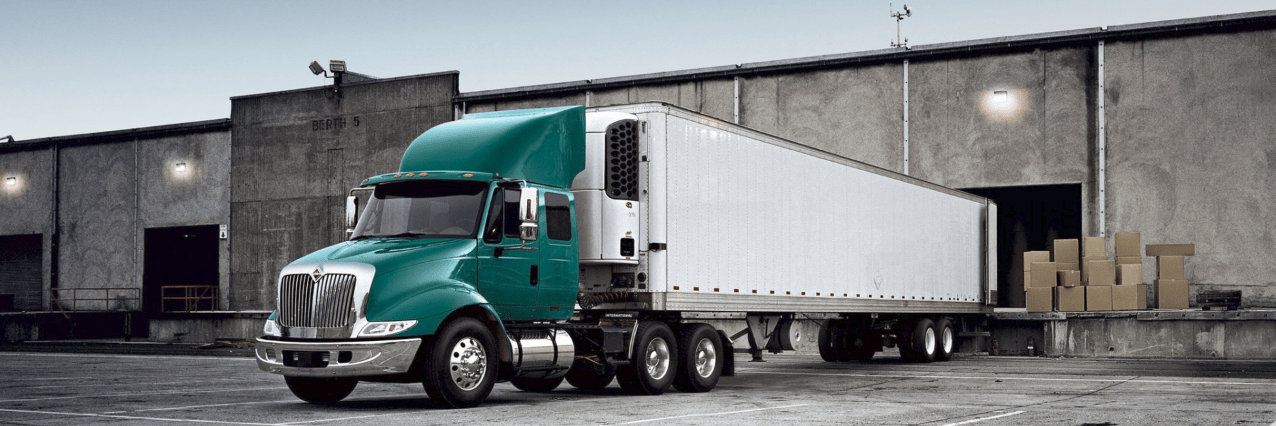
Beyond basic storage, overseas warehouses can offer services that streamline your supply chain and reduce costs.
1. Kitting
Kitting involves assembling multiple components into a single kit for sale or installation. For mechanical equipment, this might mean combining a pump with its mounting hardware, hoses, and control panel into a single package. Kitting reduces the number of SKUs you need to manage and simplifies order fulfillment.
2. Pre-Assembly
Some mechanical equipment requires partial assembly before delivery to the end customer. A warehouse with skilled personnel can perform pre-assembly, reducing installation time at the customer site.
3. Repackaging and Labeling
If your equipment is sold through retail channels, it may need to be repackaged with retail-ready packaging and labels. Overseas warehouses can handle this, saving you from shipping finished goods from China.
4. Quality Inspection
For equipment that requires inspection before sale – whether for quality assurance or compliance – a warehouse can perform inspections and quarantine non-conforming items.
5. Customs Clearance Support
Many overseas warehouses offer in-house customs brokerage services. This simplifies the import process and reduces the risk of clearance delays. For mechanical equipment, which often faces complex HTS classification and potential duties, having a broker who understands the product category is valuable.
6. Export Packaging
If equipment needs to be re-exported to another country, the warehouse should offer export-grade packaging services – crating, strapping, and container loading.
Based on our experience working with mechanical equipment clients, here is a step-by-step selection process.
If an overseas warehouse does not fit your business model, consider these alternatives.
1. Direct Shipping (FCL or LCL)
For large, one-off shipments of mechanical equipment, direct shipping from the factory to the end customer may be the simplest option. However, this requires the customer to handle receiving and installation, and transit times are long.
Best for: Project-based equipment sales, low-volume shipments, customers with receiving capabilities.
2. Distributor or Dealer Network
Some mechanical equipment manufacturers use distributors or dealers who maintain their own inventory. This shifts the warehousing burden to the distributor but requires a strong dealer network.
Best for: Equipment sold through established dealer channels, aftermarket parts.
3. In-House US Warehouse
For large manufacturers with significant US sales, owning or leasing a dedicated warehouse may make sense. This offers maximum control but requires significant capital investment and operational expertise.
Best for: High-volume manufacturers, companies with diverse product lines, long-term US market commitment.
4. 3PL with Specialized Equipment Handling
This is the most common solution for mid-sized exporters – a third-party logistics provider with specialized capabilities for mechanical equipment.
Best for: Most mechanical equipment exporters, companies looking for flexibility without capital investment.
| Option | Best For | Cost | Control |
|---|---|---|---|
| Overseas 3PL warehouse | Mid-sized exporters, flexible needs | $$ | Medium |
| Direct shipping (FCL) | Project-based, low volume | $ (per shipment) | Low |
| Distributor network | Established dealer channels | $$$ | Low |
| In-house US warehouse | High volume, long-term commitment | $$$$ | High |
An overseas warehouse for mechanical equipment is not a commodity service – it is a specialized capability that requires the right infrastructure, trained personnel, and operational discipline. The right warehouse reduces transit times, lowers shipping costs, simplifies customs clearance, and provides value-added services that streamline your supply chain.
The key to success is selecting a provider that understands mechanical equipment – not just a general 3PL that happens to have some warehouse space. Look for facilities with heavy-duty flooring, overhead cranes, high-clearance doors, and experienced personnel. Ask about inspection procedures, inventory management, and value-added services. Visit the facility. Check references. Start with a trial shipment.
At AMERICAN NEW LOGISTICS, we have been providing overseas warehousing for mechanical equipment since 2008. We are an Amazon SPN carrier, Wayfair Official Logistics Provider, and TEMU Official Logistics Partner with CTPAT, NVOCC, FMC, and IATA certifications. Our facilities in Los Angeles, Long Beach, Savannah, and New Jersey are equipped with heavy-duty flooring, overhead cranes, and secure outdoor storage. Our team understands the unique challenges of mechanical equipment – from receiving and inspection to inventory management and value-added services.
If you are looking for an overseas warehouse for mechanical equipment, we offer a free warehousing consultation that includes facility specifications, cost estimates, and a tailored storage plan for your equipment.
Hot News