AMERICAN NEW LOGISTICS It is an international logistics comprehensive service provider registered in Los Angeles, California, USA
 Chinese
Bathroom Fixtures Export to USA: The Compliance Hurdles That Sink Most ShipmentsRelease time:2026-08-04 views:929
Exporting bathroom fixtures to the USA requires EPA WaterSense certification for water-efficient products, SDWA/NSF/ANSI 61 lead-free certification for drinking water components, and CPSC eFiling for consumer products (effective July 8, 2026). The US bathroom fixtures market was valued at $10.98 billion in 2026 and is projected to reach $14.13 billion by 2031 at a CAGR of 5.17%. Typical door-to-door transit via ocean freight ranges from 30 to 50 days depending on origin port and destination. Per-container logistics cost (40HQ) ranges from $6,000 to $15,000 depending on product value, duty rate (5.8% base for ceramic sanitary ware under HTS 6910), and Section 301 tariffs (7.5%-25% on many Chinese products). Bathroom fixtures are high-risk fragile cargo – ceramic toilets, basins, and shower glass require specialized packaging to prevent the 6-12% damage rates common in this category.
Bathroom fixtures – toilets, sinks, bathtubs, shower enclosures, faucets, vanities, and mirrors – are among the most challenging product categories for US export. They combine fragility (ceramic, glass), weight (cast iron tubs, stone countertops), and complex compliance requirements (water efficiency, lead content, energy efficiency) that most other product categories do not face.
Bathroom fixtures face a layered compliance framework that varies by product type. Missing any layer can result in customs holds, listing removal, or shipment seizure.
EPA WaterSense certification is required for faucets, showerheads, toilets, and urinals sold in the US. Products must meet water efficiency and performance criteria established by the EPA. Some states, like California, require WaterSense certification for all water fixtures.
The Safe Drinking Water Act (SDWA) requires that all components that contact drinking water – including faucets, valves, and fittings – meet lead-free standards. Amazon requires NSF/ANSI 61 certification for drinking water components, with a compliance deadline of April 3, 2026. Products without certification face listing suppression.
Toilets sold in California must comply with CEC Title 20, requiring single-flush volume ≤1.28 GPF (gallons per flush). While this is a California state requirement, Amazon applies it to all US listings for toilets.
The US Consumer Product Safety Commission's eFiling requirements take effect July 8, 2026. Most bathroom fixtures are regulated consumer products and must have product certificate data filed electronically at entry. Missing eFiling data can delay customs release by days or weeks.
While ordinary ceramic sanitary ware is generally not subject to AD/CVD, certain categories may be impacted depending on country of origin and product type. Sellers should verify AD/CVD status before shipping.
| Requirement | Applicability | Agency | Deadline |
|---|---|---|---|
| EPA WaterSense | Faucets, showerheads, toilets, urinals | EPA | Pre-listing |
| NSF/ANSI 61 (SDWA) | Drinking water components | NSF / Amazon | April 3, 2026 |
| CEC Title 20/24 | Toilets (California) | CEC / Amazon | Pre-listing |
| CPSC eFiling | All regulated consumer products | CPSC / CBP | July 8, 2026 |
| ISF Filing (10+2) | All imports | CBP | 24+ hours pre-departure |
HTS classification is critical for bathroom fixtures because it determines duty rates – and errors are a primary trigger for CBP examinations.
Primary HTS classifications for bathroom fixtures:
The classification depends on material composition and function. Ceramic toilets and sinks fall under HTS 6910. Plastic fixtures fall under HTS 3922. Metal faucets and fittings fall under HTS 7418 or 8302. Incorrect classification is a primary trigger for CBP examinations.
Section 301 tariffs on Chinese-origin bathroom fixtures remain in effect as of 2026, with rates ranging from 7.5% to 25% depending on the product category. In June 2026, the US government issued an executive order strengthening customs enforcement, increasing compliance costs and inspection scrutiny for Chinese imports.
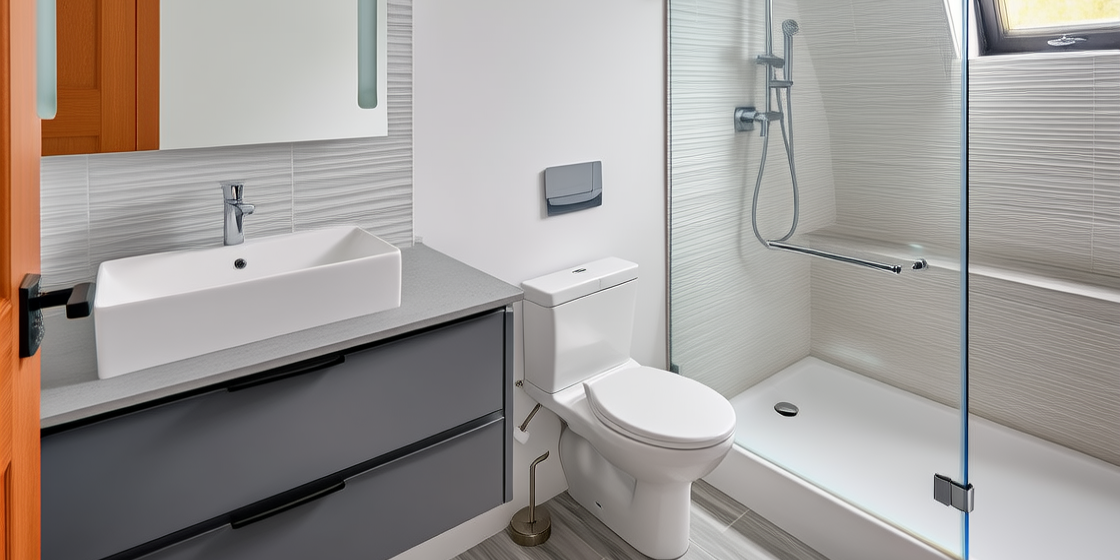
For bathroom fixtures, ocean freight is the default choice. Air freight is generally cost-prohibitive for heavy, bulky items like toilets and bathtubs.
For shipments of 15-20 CBM or more, FCL (Full Container Load) is strongly recommended. Bathroom fixtures are heavy and fragile – FCL significantly reduces damage during transit because the container is not opened or re-handled mid-journey. LCL (Less than Container Load) is an option for smaller shipments, but ceramic items are vulnerable to damage if other heavy cargo is stacked on top during consolidation.
In 2026, ocean freight rates from China to US West Coast range from $2,500 to $4,500 per 40HQ container, depending on season and carrier. LCL rates typically range from $90 to $160 per CBM.
Key routes for bathroom fixtures from China to the US:
For first-time exporters, DDP (Delivered Duty Paid) is recommended – the forwarder handles customs clearance, duty payment, and final delivery. For experienced importers with their own US entity and bond, FOB offers more control over clearance and duty optimization.
| Method | Best For | Transit Time | Damage Risk |
|---|---|---|---|
| 40HQ FCL + Truck | 15+ CBM, fragile cargo | 30-50 days | Low |
| 20GP FCL + Truck | 10-15 CBM | 32-52 days | Low-Medium |
| LCL + Truck | Under 10 CBM | 35-55 days | High |
| Air Freight | Samples, small hardware | 5-10 days | Low |
This cost model is based on an actual bathroom fixtures shipment handled by ANL in Q1 2026.
Sample Shipment: Ceramic Toilets and Basins, 40HQ Container
Landed cost components:
Total landed cost (excluding Section 301): $8,574-$11,574
Total landed cost (with Section 301 at 7.5%-25%): $10,674-$18,574
Per-unit landed cost ranges from $21 to $46 depending on product mix and tariff exposure. Note that the June 2026 US Customs enforcement executive order has increased compliance costs for Chinese bathroom fixtures exporters.
Packaging is the single most important factor in bathroom fixtures shipping success. Here are the standards we require for our bathroom fixtures clients.
For ceramic toilets and basins: double-wall reinforced cartons (minimum 7-layer corrugated), 2-inch foam protection on all sides, corner protectors, and clear "FRAGILE" labeling. The toilet base and tank should be wrapped separately to prevent internal damage.
For shower glass: wooden crates (not just cartons), foam padding between glass panels, edge protectors on all glass edges, and clear loading orientation marks. Glass panels should never be loaded horizontally with heavy cargo on top.
For mirrors: corner protectors, bubble wrap (minimum 3 layers), and reinforced cartons. For LED mirrors, also verify wire protection and correct plug type.
For vanities: waterproof wrapping, drawer fixing to prevent movement, hinge protection, and separate packing for basin and cabinet to prevent damage during handling.
For faucets: individual inner boxes, surface protection (especially for matte black, brushed gold, chrome, and gunmetal finishes), and clear labeling.
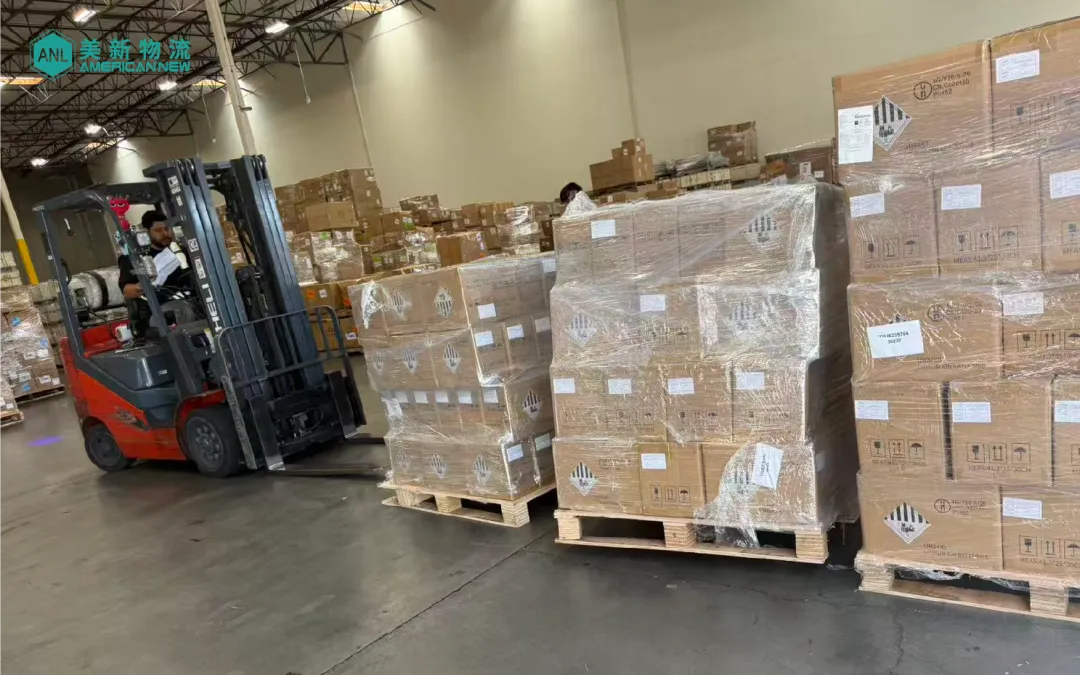
All heavy or fragile bathroom fixtures should be palletized. Pallets should be GMA-standard (40"×48") and properly shrink-wrapped. For FCL shipments, palletization is strongly recommended for all ceramic and glass products.
Exporting bathroom fixtures to the USA is a high-growth, high-compliance, high-risk category. The US market is large – $10.98 billion in 2026 growing at 5.17% CAGR – but success requires systematic attention to compliance, packaging, shipping method selection, and risk management.
EPA WaterSense, NSF/ANSI 61 (SDWA), CEC Title 20, and CPSC eFiling are not optional – they are necessary requirement. Packaging is not an afterthought – it is the difference between a 5% damage rate and a 1% damage rate. And the June 2026 US Customs enforcement executive order has made compliance more critical than ever.
At AMERICAN NEW LOGISTICS, we have been handling bathroom fixtures shipments since 2008. We are an Amazon SPN carrier, Wayfair Official Logistics Provider, and TEMU Official Logistics Partner with CTPAT, NVOCC, FMC, and IATA certifications. Our facilities in Los Angeles, Long Beach, Savannah, and New Jersey are equipped to handle fragile cargo with specialized receiving and inspection protocols. Our team understands the unique challenges of bathroom fixtures – from EPA compliance and CPSC eFiling to fragile cargo packaging and FBA appointment scheduling.
If you are planning to export bathroom fixtures to the US, we offer a free compliance and shipping cost evaluation that includes HTS classification, compliance checklist, packaging review, and a full door-to-door quote tailored to your product.
EPA WaterSense for water fixtures, NSF/ANSI 61 for drinking water components, and CEC Title 20 for toilets sold in California.
Ceramic sanitary ware under HTS 6910 has a 5.8% duty, plus potential Section 301 tariffs of 7.5%-25% on Chinese products.
Ocean freight FCL (40HQ) is most cost-effective for shipments over 15 CBM, at $60-$100 per CBM plus handling.
30-50 days via ocean freight to West Coast ports, plus customs clearance time. Air freight takes 5-10 days for samples.
CPSC eFiling requires electronic product certificate data at entry. It became effective July 8, 2026.
Amazon required NSF/ANSI 61 certification for drinking water components by April 3, 2026.
Hot News