AMERICAN NEW LOGISTICS It is an international logistics comprehensive service provider registered in Los Angeles, California, USA
 Chinese

Why Are CastleGate Warehouse Sellers Cutting Logistics Costs by 38%?Release time:2026-05-27 views:1349
Many Wayfair sellers believe renting a warehouse in the United States is enough to maintain stable fulfillment performance. However, that assumption often leads to declining On-Time Delivery (OTD) scores, inventory discrepancies, and expensive return claims. At AMERICAN NEW LOGISTICS, we have handled oversized furniture, smart home products, and DDP container shipments for cross-border eCommerce brands since 2008. This article explains why CastleGate Warehouse strategies are helping sellers reduce logistics costs by 38% while improving account health and customer satisfaction.
Wayfair changed supplier score weighting in late 2025. Previously, sellers focused heavily on shipping speed alone. Today, Wayfair evaluates fulfillment through multiple dimensions, including Scan Compliance, return processing time, inventory accuracy, and cancellation rates.
Indeed, sellers using poorly integrated third-party warehouses frequently experience hidden penalties. We recently audited a Texas-based furniture seller whose daily orders dropped from 320 to 55 within two weeks. Their warehouse shipped orders within 48 hours, yet the Scan Compliance rate stayed below 88% because tracking numbers were uploaded late.
Additionally, return processing became another silent issue. Wayfair now requires returned products to be scanned and classified within 48 hours. Sellers missing that SLA (Service Level Agreement) risk losing CastleGate eligibility.
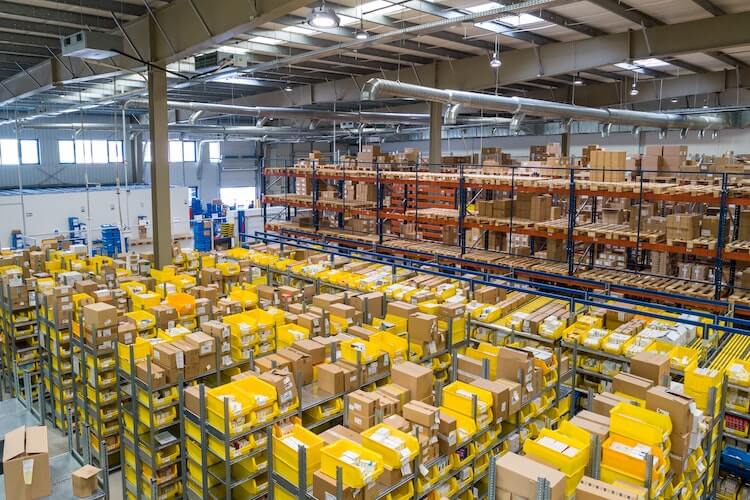
Every warehouse model has strengths and weaknesses. Nevertheless, many sellers compare only storage rates while ignoring operational efficiency and platform ranking advantages.
| Warehouse Type | Monthly Storage | LTL Delivery Cost | OTD Impact |
|---|---|---|---|
| CastleGate | $1.8-$2.6/cu ft | $76 average | High |
| 3PL Warehouse | $0.7-$1.5/cu ft | $95 average | Medium |
| Self-operated | Variable | $102 average | Unstable |
Without a doubt, CastleGate Warehouse costs appear higher initially. However, sellers often receive stronger product visibility and lower advertising costs because listings display “Fast & Free Delivery.”
For example, one California bedframe seller shipping through CastleGate reduced average LTL (Less Than Truckload) costs from $67 to $48 per unit after joining Wayfair’s preferred routing network.
Oversized products create unique challenges. Furniture, massage chairs, and electric fireplaces require palletized handling, appointment delivery, and strict packaging standards.
At oversized fulfillment facilities, we frequently discover outbound dock problems causing avoidable losses.
One seller in Shenzhen shipped 40HQ containers of dining tables to Los Angeles Port in March 2025. Each carton measured 82x24x12 inches. Unfortunately, the warehouse used weak single-layer pallets. Seven LTL shipments were rejected by FedEx Freight, creating over $4,300 in re-delivery charges.
After redesigning palletization standards and applying heat-treated IPPC pallets, the rejection rate dropped to nearly zero within six weeks.
Many sellers underestimate regional delivery zones. Shipping a sofa from New Jersey to Arizona often costs 35%-50% more than shipping locally from California.
Accordingly, our internal routing data from 2025 showed that sellers using East + West Coast warehouse combinations improved OTD scores by 7.2% on average.
| Warehouse Region | Average Delivery Time | Average LTL Cost |
|---|---|---|
| California | 2-4 days | $72 |
| New Jersey | 2-5 days | $78 |
| Single Midwest Hub | 4-7 days | $96 |
Moreover, splitting inventory reduced weather-related disruptions significantly. During a January 2026 snowstorm in Pennsylvania, one Wayfair seller shifted orders to Arizona inventory within hours and prevented over 400 delayed deliveries.
Warehouse Management System (WMS) integration has become one of the most overlooked ranking factors in Wayfair logistics.
Wayfair requires accurate EDI 850/856/810 communication for inventory synchronization and shipment confirmation. Sellers relying on manual uploads often create inventory inconsistencies.
For example, a Florida smart furniture brand experienced a 12% inventory inflation issue after migrating to a new WMS platform. Their warehouse updated stock quantities only twice daily. Consequently, Wayfair accepted oversold orders that could not be fulfilled.
At warehouse operations managed by ANL, inventory synchronization delays are typically maintained below 15 minutes.
DDP (Delivered Duty Paid) remains one of the safest methods for Wayfair and Amazon oversized cargo entering the United States.
However, many suppliers still underestimate customs risks tied to furniture and smart home products.
One Guangzhou exporter shipped electric recliners through traditional FOB terms in August 2025. The shipment arrived at Long Beach with incomplete TSCA documentation and missing HTS Codes. CBP (Customs and Border Protection) flagged the container for examination, causing a 13-day delay and nearly $6,800 in storage charges.
After switching to cabinet DDP service, their average customs clearance cycle dropped from 9.5 days to 3.2 days.
Additionally, products containing lithium batteries require UN38.3 certification, MSDS documentation, and compliance with DG Cargo (Dangerous Goods Cargo) handling standards.
Most logistics providers focus exclusively on transportation rates. Our internal research produced a different conclusion.
Based on 426 oversized Wayfair shipments handled between July 2025 and February 2026, we discovered that delayed return processing generated larger hidden losses than freight rates themselves.
Here is the breakdown:
As a result, the most profitable sellers are no longer optimizing single shipping costs. Instead, they optimize the entire fulfillment chain.
Warehouse switching creates serious operational risks if executed poorly.
In February 2025, we helped a New York furniture supplier migrate 1,800 units across 26 SKUs from Texas to dual facilities in California and Pennsylvania.
The products included sectional sofas, dining sets, and electric fireplaces transported via seafreight FCL (Full Container Load) shipments.
Instead of shutting down the old warehouse immediately, we created temporary synchronized inventory visibility for both locations. Seven days before transition, fast-moving SKUs were replenished into the new warehouses.
Consequently, OTD remained above 96% throughout the migration period, and no listing suppression occurred.
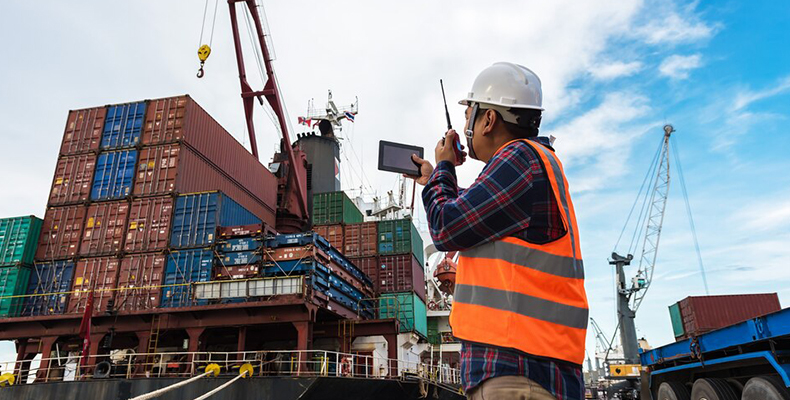
Customs delays frequently damage Wayfair metrics before inventory even reaches the warehouse.
At customs clearance stages, incomplete AMS filings, missing ISF declarations, and inaccurate HTS classifications continue to trigger examinations at Los Angeles Port and Long Beach.
Furthermore, oversized furniture often requires specialized appointment delivery teams. White glove services and threshold delivery scheduling affect customer satisfaction scores directly.
One ANL client shipping adjustable beds from Xiamen to Houston reduced delivery appointment failures by 32% after integrating automated SMS scheduling with local carriers.
CastleGate Warehouse fulfillment is no longer just a storage strategy. It directly influences visibility, OTD performance, customer satisfaction, and long-term profitability on Wayfair. Sellers who optimize warehouse integration, inventory synchronization, pallet standards, and regional fulfillment networks consistently outperform competitors.
At the same time, oversized freight requires operational precision across customs, warehousing, and last-mile delivery. Sellers who treat logistics as a strategic growth function—not merely a cost center—gain stronger rankings and better margins.
If your Wayfair operation is struggling with delayed deliveries, warehouse instability, or rising oversized shipping costs, ANL can help evaluate your fulfillment network and create a scalable logistics solution. Explore our latest industry updates through news and connect with our logistics specialists for tailored recommendations.
1. How can CastleGate Warehouse improve Wayfair rankings?
CastleGate fulfillment improves OTD scores, delivery speed, and buyer trust, which often increases Wayfair search visibility.
2. What is the best shipping mode for oversized furniture?
FCL ocean freight with regional LTL delivery reduces damage risk and improves oversized furniture fulfillment efficiency.
3. Why do Wayfair sellers lose account health scores?
Late scans, delayed returns, inaccurate inventory synchronization, and poor delivery performance frequently lower supplier metrics.
4. How long does customs clearance usually take?
DDP oversized cargo typically clears within 3-5 business days when AMS and ISF filings are accurate.
5. What causes oversized freight damage most often?
Weak pallets, improper carton stacking, and incorrect dock handling create the majority of oversized damage claims.
6. Should sellers use dual warehouses in the United States?
Dual-coast inventory placement lowers LTL shipping costs and improves national delivery speed significantly.
7. What certifications are required for lithium furniture products?
UN38.3, MSDS, and DG Cargo compliance documents are required for lithium-powered furniture entering the United States.
8. How can sellers reduce warehouse transition risks?
Maintain synchronized inventory visibility and preload fast-moving SKUs before warehouse migration begins.
Hot News