AMERICAN NEW LOGISTICS It is an international logistics comprehensive service provider registered in Los Angeles, California, USA
 Chinese

Why Is Last-mile Delivery Critical for US E-commerce Success?Release time:2026-05-28 views:998
Cross-border sellers entering the US market often discover that transportation is only half the challenge. The real pressure begins during Last-mile delivery, where delays, failed appointments, and oversized freight surcharges directly affect customer satisfaction and platform performance. Accordingly, many Amazon, Wayfair, and TikTok Shop sellers now prioritize local fulfillment strategies before peak season begins.
At AMERICAN NEW LOGISTICS, we have handled thousands of containers moving from China to the United States since 2008. Our operational teams support DDP shipping, FBA replenishment, oversized cargo delivery, customs processing, and warehouse distribution for furniture, fitness equipment, smart home devices, and e-commerce cargo across major US ports.
Unlike port-to-port transportation, Last-mile delivery involves multiple operational layers. Drivers must coordinate appointments, residential restrictions, unloading requirements, and warehouse receiving windows. Moreover, oversized products such as sofas, cabinets, and electric beds often require liftgate trucks or white-glove service.
US logistics costs increased significantly between 2024 and 2026. According to Drewry and Flexport market data, final-mile expenses now represent nearly 42% of total cross-border fulfillment costs for bulky cargo. That figure surprised many sellers who previously focused only on ocean freight pricing.
DDP (Delivered Duty Paid) remains one of the safest shipping models for cross-border e-commerce sellers. Under this structure, duties, customs clearance, and local transportation are handled before cargo reaches the consignee.
Many importers underestimate the impact of customs delays on final-mile performance. However, one missing ISF (Importer Security Filing) submission can hold a container at Long Beach for several days. As a result, scheduled delivery appointments may collapse entirely.
We typically recommend combining DDP transportation with local warehousing for oversized cargo. Sellers moving furniture, gym equipment, or kitchen cabinets benefit from flexible inventory positioning near Los Angeles, Houston, or New Jersey.
Our dedicated door-to-door container solutions help importers reduce unpredictable terminal handling expenses and avoid fragmented carrier coordination.
Bulky cargo behaves differently from standard carton freight. A 40HQ container carrying sofas or dining tables may cube out before reaching weight limits. Consequently, loading efficiency directly affects transportation cost per unit.
For example, we handled a shipment in March 2026 from Foshan, China to Dallas, Texas involving modular furniture. The cargo occupied 312 CBM across two 40HQ containers. Ocean freight plus customs processing totaled approximately USD 11,800, while final-mile white-glove delivery added USD 4,600. Transit time reached 33 days from factory pickup to residential installation.
Without a doubt, oversized cargo also faces higher damage risk during pallet transfers. Therefore, we advise reinforced packaging and appointment-based unloading.
Our specialized oversized cargo operations support furniture brands, fitness equipment suppliers, and home appliance exporters shipping to the US market.
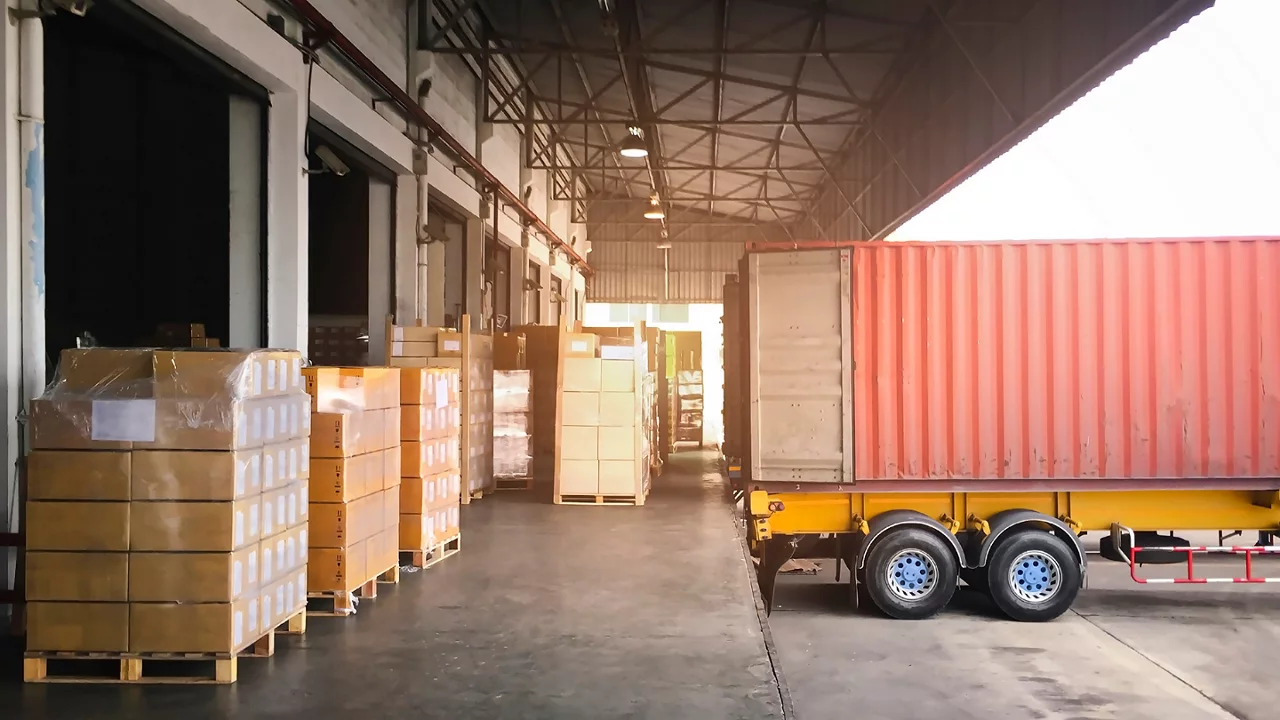
Warehouse positioning changes delivery economics dramatically. Sellers relying only on direct port delivery often encounter storage congestion, detention fees, and scheduling failures during peak seasons.
On the other hand, distributed inventory inside the United States improves flexibility. Local fulfillment centers shorten transit distance and lower LTL carrier surcharges. Additionally, warehouse-based dispatching supports partial order fulfillment for multiple online platforms.
| Fulfillment Model | Average Delivery Time | Cost Stability | Best Use Case |
|---|---|---|---|
| Direct Port Delivery | 7-12 Days | Low | Urgent B2B Cargo |
| US Warehouse Fulfillment | 2-5 Days | High | E-commerce Orders |
| Amazon FBA Replenishment | 3-7 Days | Medium | Platform Sellers |
At ANL, our US warehouse network supports inventory consolidation, pallet breakdown, labeling, and scheduled delivery throughout major fulfillment regions.
Customs issues remain one of the biggest hidden risks in cross-border fulfillment. Incorrect HTS codes, undervalued declarations, and missing FDA or FCC filings may stop cargo before domestic transportation even begins.
In January 2026, we managed a shipment of smart standing desks moving from Shenzhen to Chicago via Los Angeles Port. US Customs and Border Protection requested additional lithium battery documentation because the desks included wireless charging modules. Although the shipment cleared eventually, the process added five extra days and roughly USD 1,200 in port storage fees.
To avoid these situations, importers should prepare:
Our experienced customs clearance specialists coordinate directly with brokers and terminals to minimize clearance interruptions.

Transportation mode depends on inventory urgency, cargo dimensions, and profit margins. Ocean freight remains the dominant option for bulky cargo because costs are substantially lower than air transportation.
| Mode | Transit Time | Typical Cost | Suitable Cargo |
|---|---|---|---|
| Ocean Freight FCL | 25-40 Days | Low | Furniture, Cabinets |
| Ocean Freight LCL | 35-45 Days | Medium | Small Bulk Orders |
| Air Freight | 5-10 Days | High | Urgent Electronics |
In addition, peak-season congestion at Los Angeles and Long Beach frequently influences vessel schedules. Sellers planning Black Friday inventory should reserve space at least four weeks earlier than usual.
Our dedicated ocean freight services and air cargo operations support both urgent replenishment and cost-efficient bulk shipping.
Amazon, Wayfair, Walmart Marketplace, and TikTok Shop all track delivery metrics closely. Accordingly, poor Last-mile delivery performance can damage seller visibility and account health.
For example, Amazon measures:
Wayfair, however, places greater emphasis on residential installation performance and oversized cargo handling. Sellers shipping furniture often require scheduled appointments and white-glove services to maintain compliance.
One operational trend stands out clearly. Sellers focusing only on freight cost usually spend more overall than businesses optimizing final-mile execution first.
Based on our internal 2025-2026 shipment analysis involving 870 oversized US deliveries:
Indeed, this operational pattern has become increasingly important for furniture exporters and smart home brands competing in crowded online marketplaces.
Successful fulfillment begins before containers leave China. Planning warehouse allocation, customs documentation, and local carrier coordination early creates far fewer disruptions later.
We recommend this framework:
Our operational teams also provide container unloading and local dispatch coordination through dedicated container breakdown services across major US logistics hubs.
Last-mile delivery now determines whether cross-border e-commerce sellers succeed or struggle in the United States. Fast transportation alone is no longer enough. Importers must balance customs compliance, warehouse positioning, carrier coordination, and delivery visibility to maintain customer satisfaction and platform performance.
At ANL, we combine DDP expertise, oversized cargo handling, warehouse distribution, and customs coordination to support scalable US fulfillment solutions. Our partnerships with Amazon SPN, Wayfair, TEMU, Walmart, and TikTok sellers continue shaping efficient logistics strategies for modern e-commerce brands.
If your business needs reliable Last-mile delivery support for furniture, oversized cargo, or FBA replenishment, our logistics specialists can help design a practical shipping plan. Contact ANL today to evaluate transportation costs, warehouse positioning, and DDP fulfillment options tailored to your US expansion goals.
1. What is the best Last-mile delivery option for oversized furniture?
White-glove delivery combined with local warehouse fulfillment reduces damage risks and improves residential appointment efficiency for oversized furniture shipments.
2. How long does US Last-mile delivery usually take?
Most warehouse-based US deliveries arrive within two to five business days depending on carrier schedules and regional destination coverage.
3. Does DDP shipping help Amazon FBA sellers?
DDP shipping simplifies customs processing and lowers unexpected import charges for Amazon FBA inventory replenishment into US warehouses.
4. Why do smart home products face customs delays?
Wireless devices and lithium battery products often require additional FCC, MSDS, or UL compliance documentation before customs release.
5. Can LTL shipping reduce transportation expenses?
LTL freight works well for medium-volume cargo moving between regional US warehouses and commercial delivery destinations.
6. What documents are required for US furniture imports?
Importers generally need invoices, packing lists, HTS classifications, ISF filings, and product compliance certifications before shipment arrival.
7. How can warehouse fulfillment improve delivery speed?
Local inventory placement shortens transportation distance and supports faster order dispatch during high-volume e-commerce sales periods.
8. What causes failed residential deliveries in the United States?
Incorrect appointment scheduling, limited unloading access, and missing customer coordination frequently trigger residential delivery failures.
Hot News