AMERICAN NEW LOGISTICS It is an international logistics comprehensive service provider registered in Los Angeles, California, USA
 Chinese

Why Is China to USA DDP Shipping At Risk Under CBP Scrutiny?Release time:2026-06-15 views:935
China to USA DDP (Delivered Duty Paid) shipping risks severe delays under intensifying U.S. Customs and Border Protection (CBP) enforcement. The primary vulnerability stems from illegal bulk-clearing under fraudulent Importer of Record (IOR) structures and incorrect HTS Code applications meant to bypass Anti-Dumping Duties (ADD). To maintain a compliant cross-border supply chain to Amazon FBA or e-commerce fulfillment centers, shippers must utilize licensed NVOCCs operating legitimate annual Continuous Bonds. Ensuring exact component-level sourcing traceability and securing priority terminal drayage are critical steps to prevent catastrophic cargo seizures and unexpected customs asset liquidations.
Managing a cross-border supply chain under China to USA DDP terms has shifted from a simple budget baseline to a complex regulatory navigation exercise. For over a decade, many small-scale e-commerce brands and manufacturing facilities treated DDP as a hands-off, all-inclusive freight product. However, as trade compliance frameworks tighten across major North American ports, the underlying legal realities of who assumes customs liability have come under aggressive enforcement. Working blindly with cut-rate intermediaries who execute grey-market clearings leaves your entire commercial inventory vulnerable to seizure before it ever hits the terminal gate.
The fundamental issue with China to USA DDP arrangements lies in the structural assignment of the Importer of Record (IOR). Under official international trade terminology, DDP mandates that the seller assumes all financial obligations, customs entry preparation, import tariffs, and risk allocation until the shipment reaches its final inland destination. To execute this legally on U.S. soil, the freight forwarder or their domestic customs brokerage asset must act as the IOR, utilizing either a Single Transaction Bond (STB) or a permanent Continuous Bond registered with the CBP.
Unscrupulous logistics providers frequently consolidate mismatched commodities from multiple shippers into a singular shared container. They then declare the entire manifest under a single, disreputable "shell" IOR entity to bypass strict automated review criteria in the Automated Commercial Environment (ACE) system. If an entry triggers an enforcement hold at Los Angeles Port or Long Beach Port due to a single high-risk product line within that box, the CBP routinely detains the entire multi-client container. Every product inside faces extensive physical inventory processing at a Centralized Examination Station (CES), racking up immense storage overheads that generic shipping agents quickly abandon.
Every component entering the United States must be filed under its exact ten-digit Harmonized Tariff Schedule (HTS) designation. This classification determines baseline ad valorem duties, section 301 special emergency tariffs, and potential exposure to crippling Anti-Dumping and Countervailing Duties (ADD/CVD). Low-tier logistics aggregators routinely misclassify valuable merchandise, intentionally routing electronics under low-duty plastic categories or misrepresenting lithium battery weights to secure cheaper ocean freight space allocations.
| Commodity Vector | Critical Regulatory Agency | Customs Audit Focal Point |
|---|---|---|
| Smart Lock / IoT Devices | FCC (Federal Communications Commission) | RF radiation profiles, equipment grant match |
| Home Appliances with Battery | DOT / Pipeline & Hazardous Materials Safety | UN38.3 validation, DG Cargo manifest accuracy |
| Composite Wood Furniture | EPA (Environmental Protection Agency) | TSCA Title VI formaldehyde emission logs |
When the CBP targets misclassified freight, they do not simply issue a routine billing adjustments invoice. They trigger retroactive compliance audits spanning up to five years of historical operational data. If your provider cannot furnish clear material formulations, manufacturing workflow origin paths, and authenticated commercial invoices matching the cash flow loops, your cargo is flagged for systematic asset forfeiture.
In October 2025, our operations center intervened in an entry crisis at a major container yard involving a multi-container line of smart home automation appliances shipped from Shenzhen. The cargo was originally booked under a generic consolidated DDP program managed by a domestic non-asset broker. The broker utilized a non-compliant HTS Code to mask the integrated communication chipsets, bypassing mandatory filings with the Federal Communications Commission (FCC). Consequently, the CBP placed an enforcement hold on the entire lot, sending the goods to a local CES for comprehensive physical strip-downs.
Faced with soaring daily demurrage costs and an imminent Amazon appointment cancellation window, the shipper severed ties with the original broker and transferred emergency power-of-attorney to the customs clearance unit at AMERICAN NEW LOGISTICS. Leveraging our direct remote filing access and internal compliance team, we immediately initiated a multi-layered remediation process.
We corrected the tax classification vectors, updated the formal IOR records using our verified internal corporate Continuous Bond assets, and submitted real-time test lab data sheets to customs officials. Within 96 hours of data alignment, we secured a complete conditional release from the CBP. We then dispatched our priority regional truck assets to bypass port bottlenecks, stripping the cargo at our 40万-square-foot facility to execute rapid label re-work. The shipment was successfully injected into the local distribution grid via an emergency drop-trailer dispatch, completely neutralizing a potential six-figure inventory loss.
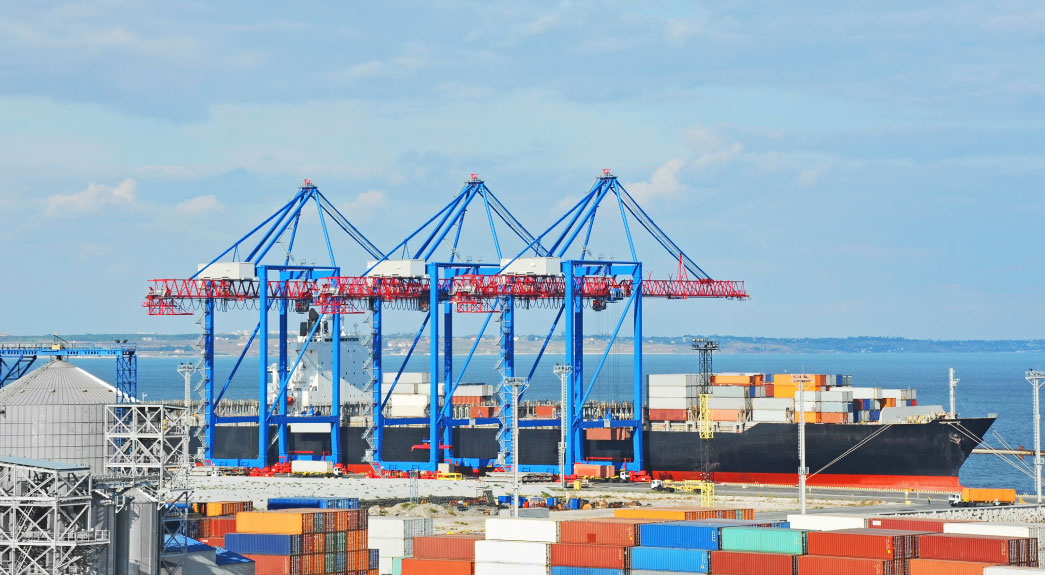
Securing customs clearance forms from the CBP is only half the battle. The most volatile phase of China to USA DDP execution occurs on the marine terminal pavement. Once a container is discharged from ocean vessels operated by carriers like Matson or COSCO, an automated invoice clock begins ticking down your available free-time window. This timeframe usually spans just four to five business days before punitive demurrage penalties apply.
If your freight company relies entirely on generalized on-demand owner-operator networks, they face massive resistance during peak congestion periods. Driver shortages, chassis splits—where a truck operator must travel to a separate off-site yard just to secure a functional chassis frame—and restricted harbor gate appointments can quickly stall your cargo. Within 72 hours, an uncollected container can rack up hundreds of dollars in daily yard storage penalties. This operational friction is precisely why managing your cargo via an integrated asset-backed network is indispensable.
This internal risk outlines how asset structure directly impacts operational outcomes and supply chain survival when executing China to USA DDP logistics under heightened CBP enforcement.
| Operational Capability | Asset-Based Provider (e.g., ANL) | Non-Asset Freight Broker / Forwarder |
|---|---|---|
| Customs Bond Infrastructure | Directly owned corporate Continuous Bonds; fully transparent IOR reporting lines. | Rented third-party identity bonds; high risk of multi-client container seizure. |
| Terminal Drayage & Chassis Assets | Legitimate internal fleet trucks with priority pier pick-up accounts. | Unsecured spot-market load boards; high risk of port storage cost lockups. |
| Fulfillment Injection Control | Direct Amazon Carrier Central integration; dedicated local drop-chassis pools. | Manual freight broker dispatch; severe vulnerability to delivery delays. |
Building an ironclad end-to-end logistical layout requires abandoning short-term cost-cutting mindsets. True efficiency relies on strict, repeatable procedural steps executed across every single purchase order:
For high-volume brands operating at scale, shifting from LCL (Less than Container Load) consolidation to a dedicated cabinet program yields massive risk reduction. When you control a Full Container Load (FCL), your freight does not share space or legal liabilities with unknown commodities from other suppliers. Your compliance risk is completely isolated, preventing third-party regulatory problems from sidelining your inventory.
Furthermore, dedicated FCL shipments allow for custom routing configurations. Shippers can opt for advanced port-to-door strategies, bypassing traditional hub-and-spoke sorting networks entirely. By stripping containers inside localized regional hubs managed by an asset-backed carrier network, you cut multiple days off your transit timeline and protect delicate cargo from the risks of frequent manual handling.
In June 2025, our Pacific Northwest operations team took over a troubled high-volume commercial furniture import lane routed from Vietnam through Seattle. The client's former logistics provider had systematically miscalculated container payload parameters, frequently overloading standard flatbeds beyond local DOT axle weight limits. This error resulted in recurring transit delays, highway enforcement fines, and repeated delivery refusals at regional distribution centers.
To fix the lane, we implemented an optimized weight-balancing strategy at the point of origin. Our specialized team re-engineered the packing layout to guarantee equal weight distribution across the truck axles. For ultra-dense cargo blocks, we strategically routed containers directly through our specialized oversized handling facilities. By deploying our internal fleet of specialized tri-axle chassis and securing overweight permits before leaving the port, we eliminated all over-the-road weight violations and restored 100% on-time performance across the entire supply chain.
The era of treating China to USA DDP logistics as a basic, transactional commodity is officially over. Surviving in today's intense regulatory environment requires deep technical compliance expertise, authenticated origin documentation, and absolute control over physical logistics assets. By moving away from unverified intermediaries and partnering with a fully licensed, asset-backed NVOCC, your enterprise secures the regulatory protections and operational infrastructure needed to keep your global supply chain moving smoothly.
Don't let unverified freight intermediaries put your commercial inventory at risk. Contact the trade compliance team at AMERICAN NEW LOGISTICS to schedule a comprehensive pre-shipment HTS code audit and secure reliable, asset-backed DDP logistics solutions.
Q1: Is China to USA DDP shipping legal for Amazon FBA fulfillment center deliveries?
Yes, provided the chosen carrier operates a legitimate corporate Importer of Record entry structure and avoids using Amazon's taxpayer identity.
Q2: What happens if U.S. Customs detains a consolidated DDP ocean freight container?
The CBP flags the entire container manifest, forcing all aggregated shippers to undergo physical inspection at an official examination station.
Q3: Who pays unexpected port storage fees under standard DDP agreements?
The freight forwarder is legally responsible for terminal storage costs, though non-asset brokers often abandon shipments to avoid paying.
Q4: Why are smart electronic locks targeted so frequently during customs clearance?
These items feature built-in wireless hardware, requiring mandatory equipment authorization checks through the FCC database to verify compliance.
Q5: How can e-commerce brands confirm a logistics company's actual legal credentials?
Verify their unique license number directly in the FMC database to ensure they are a registered Non-Vessel Operating Common Carrier.
To review our core shipping infrastructure and company credentials, explore our About portal. For the latest global trade tracking insights, port status updates, and regulatory adjustments, visit the official news database. If your business requires specialized multi-modal routing advice, explore our premium seafreight network or our express airfreight options to optimize your global delivery framework.
Hot News