AMERICAN NEW LOGISTICS It is an international logistics comprehensive service provider registered in Los Angeles, California, USA
 Chinese

What are the differences between the LTL and FTL processes? | ANLRelease time:2026-06-24 views:893
The primary differences between the LTL and FTL processes lie in cargo handling, routing mechanics, and cost allocation. LTL (Less than Truckload) consolidates freight from multiple shippers into a single trailer, utilizing a hub-and-spoke network that requires repeated transloading at regional terminals. This introduces higher handling risks and variable transit times. Conversely, FTL (Full Truckload) dedicates an entire trailer to one shipment, moving cargo directly from the origin point to the destination without mid-journey sorting. FTL minimizes transit times, lowers product handling touchpoints, and simplifies final-mile scheduling for large commercial or e-commerce shipments.
Navigating domestic inland transportation in the United States requires an understanding of how freight configurations affect your operational velocity and overall supply chain budget. When cargo arrives at major maritime gateways like the Port of Los Angeles or Long Beach, it must be cleared and systematically routed to inland fulfillment nodes. Shippers are continually faced with deciding whether to move goods via multi-stop consolidation networks or dedicated linehaul operations.
As a seasoned logistics provider at AMERICAN NEW LOGISTICS, we regularly observe how a superficial understanding of freight mechanics can negatively impact profit margins. Selecting between these distribution modes is not merely a matter of comparing gross cargo weight. It involves an evaluation of transit times, equipment design, and handling vulnerabilities across localized warehouse networks. Evaluating the core operational variances between these trucking structures is essential for any high-volume importer.
The LTL process is engineered to maximize trailer space utilization by combining small-volume shipments from various businesses. When a shipper books an LTL load, the cargo rarely stays on the same truck from origin to destination. Instead, the freight flows through a complex hub-and-spoke distribution network managed by regional asset-based carriers.
The operational steps follow a specific sequence:
This process means your cargo may be loaded, unloaded, and moved within cross-dock environments multiple times. Consequently, protective packaging, rigid palletization, and precise labeling are absolute prerequisites to withstand the stresses of constant mechanical forklift handling.
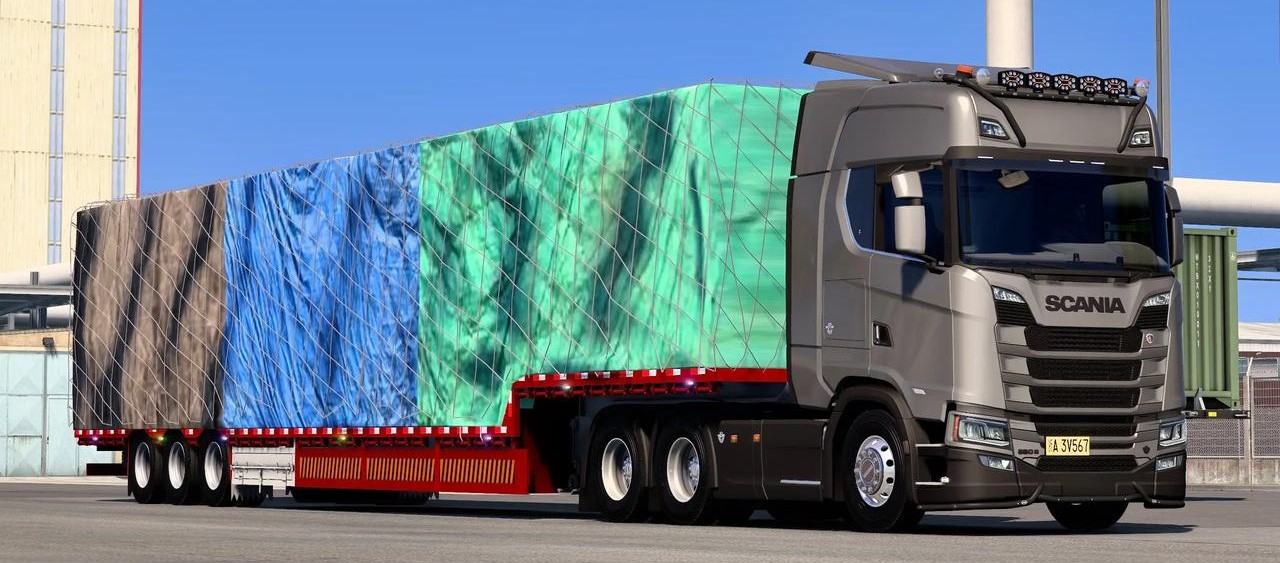
The FTL process provides a direct transportation model. When an enterprise books a full truckload, the carrier assigns a dedicated 53ft dry van or refrigerated trailer exclusively to that specific shipment. The route is linear, simple, and free from the mid-journey cross-docking operations that characterize consolidated shipping.
The operational milestones for FTL follow this straightforward progression:
Because the original seal remains intact from origin to destination, the risk of pilferage, misrouting, or cargo damage drops significantly. This makes FTL the preferred logistics solution for high-value merchandise, time-critical inventory rollouts, and delicate retail commodities.
Process Breakdown
| Process Variable | LTL (Less than Truckload) | FTL (Full Truckload) |
|---|---|---|
| Mid-Route Handling | Multiple touchpoints at regional cross-docks. | Zero mid-route handling; direct point-to-point transit. |
| Transit Predictability | Estimated transit times; susceptible to hub delays. | Highly predictable; tied directly to driver Hours of Service (HOS). |
| Pricing Drivers | NMFC freight class, linear feet, weight, and volume. | Flat distance-based spot rates or contractual per-mile fees. |
Understanding cost formulation is a key aspect of exploring what are the differences between the LTL and FTL processes. LTL pricing is remarkably intricate, managed heavily by the National Motor Freight Traffic Association (NMFTA) parameters. It relies on assigning a specific National Motor Freight Classification (NMFC) freight class to your goods, which scales from Class 50 (dense, durable cargo like metal ingots) up to Class 500 (low-density, highly fragile cargo like loose gold flakes or complex assemblies).
Carriers evaluate density, stowability, ease of handling, and liability to determine this class. Additionally, if your palletized cargo exceeds the standard linear foot rule limits—typically anything taking up more than 12 to 14 linear feet of space—the carrier will automatically apply a costly volume quote penalty instead of your negotiated base rates.
FTL pricing completely bypasses these classification systems. When you book a full truck, you pay a flat rate for the entire capacity of the trailer, irrespective of the cargo type, freight class, or actual weight, provided the load remains within the legal federal highway limit of 80,000 pounds gross vehicle weight. This pricing is primarily driven by seasonal market capacity, fuel surcharges, and the specific lane distance between the origin and destination facilities.
Accessorial fees represent secondary charges applied by truck lines for services that extend beyond standard dock-to-dock transport. Because LTL trucks service many diverse commercial and residential locations in a single run, they encounter numerous operational challenges that trigger these extra assessments.
Common LTL accessorial adjustments include liftgate charges when a destination lacks a physical loading bay, residential delivery fees, inside delivery requests, and high-cost re-consignment penalties if a delivery address is amended mid-route. In FTL operations, accessorial fees are less frequent but can be substantially higher when triggered. The primary cost risks in FTL are detention fees (charged per hour if loading or unloading exceeds the standard two-hour free window) and layover charges if a driver is held overnight due to a facility scheduling error.
ANL Operational Insight (Real Field Case Study): In October 2025, during a high-volume seasonal shipping spike, we managed the final distribution of a complex sea freight cabinet containing mixed home goods arriving from Shenzhen. The importer initially requested an LTL strategy across fifteen individual pallets to route goods to various regional distribution networks. However, our analytics team noticed that a critical destination cluster faced massive Amazon Appointment Delays and high terminal backlogs. We intervened and recommended transloading the cargo into a dedicated FTL drop-trailer program. By converting the shipment from a multi-stop LTL framework to an FTL model, we avoided over $1,400 in potential LTL detention and missed-delivery penalties, securing an immediate drop-and-hook delivery window within 24 hours of port extraction.
Large e-commerce distribution platforms like Amazon FBA, Wayfair, and Walmart maintain highly demanding inbound receiving rules. For LTL shipments, these platforms require carriers to aggregate multiple shipments onto consolidated trailers before booking an inbound delivery slot via specialized scheduling interfaces like Carrier Central. Consequently, your specific pallets may sit inside an LTL carrier’s local hub terminal for days waiting for a consolidated trailer to fill up and get an open appointment window.
FTL deliveries provide a faster option. Because an FTL truck represents an isolated, single-destination trailer, it qualifies for direct drop-and-hook programs. As an active Amazon SPN and Wayfair official carrier partner, we can drop an FTL trailer directly at their designated warehouse yard and leave it for their receiving teams to process. This completely eliminates driver wait times, guarantees compliance with strict delivery windows, and helps e-commerce brands avoid platform inventory performance rejections.
Selecting the ideal freight method requires evaluating several operational trade-offs. The decision cannot be based on a single variable like immediate spot pricing. Shippers must balance product handling requirements, transit times, and target delivery parameters.
To systematically evaluate your current cargo requirements, we recommend using this structured operational decision model:
| Surcharge Type | LTL Application Rule | FTL Application Rule |
|---|---|---|
| Detention Surcharges | Typically assessed after 15–30 minutes of driver wait time. | Assessed after 2 hours of live-loading or live-unloading delays. |
| Liftgate Requirements | Standard itemized flat fee per delivery instance. | Rarely available; requires specialized flatbed or dedicated asset equipment. |
| Re-consignment Charges | Calculated using distance adjustments plus a processing fee. | Billed directly based on the truck's additional out-of-route miles. |
Analyzing what are the differences between the LTL and FTL processes reveals that each mode has a distinct function within a balanced distribution strategy. LTL provides flexibility for smaller, ongoing cargo volumes, but its multi-stop network can introduce transit variability and higher handling risks. FTL simplifies transportation by providing direct, secure, and fast shipping for larger or higher-value freight. Aligning your product dimensions and delivery requirements with the right transportation framework allows you to control costs and improve delivery reliability. Working with an experienced logistics partner like About ANL ensures your freight moves through a secure network designed to protect your bottom line.
Stop overpaying for incorrect freight classifications and hidden terminal accessorial fees. Connect with an ANL domestic distribution expert to analyze your current pallet footprint, audit your logistics routes, and deploy a cost-effective LTL or FTL trucking plan today.
Consult a Freight Strategist NowHot News