AMERICAN NEW LOGISTICS It is an international logistics comprehensive service provider registered in Los Angeles, California, USA
 Chinese
How the entire set of furniture was transported to Los Angeles, USA?Release time:2026-06-25 views:996
Analyzing how the entire set of furniture was transported to Los Angeles, USA highlights a multi-stage commercial logistics workflow. The process begins with factory-level consolidation and export packaging into 40ft High Cube containers. The ocean freight stage moves via premium ocean routes directly to the Port of Los Angeles. Upon arrival, the shipment undergoes formal customs clearance, requiring detailed Lacey Act disclosures and EPA TSCA Title VI compliance certifications. Finally, the cargo is transferred to a localized warehouse facility for systematic devanning and sorting, followed by flatbed drayage or oversized domestic truck delivery to retail networks or fulfillment centers.
Managing the cross-border movement of large, heavy commodities requires close coordination between ocean carriers, customs brokers, and domestic fulfillment networks. When high-volume retailers or e-commerce suppliers scale operations, the Southern California port complex serves as the primary entryway for North American distribution. Shipping bulky items like beds, sofas, and dining sets involves unique challenges, including container volume utilization, strict customs compliance, and specialized final-mile delivery handling.
At AMERICAN NEW LOGISTICS, we regularly manage specialized supply chains for heavy, oversized items. Successfully moving large volumes of furniture requires a thorough understanding of U.S. import regulations and final-mile delivery networks. This operational guide breaks down how a complete multi-pallet furniture consignment is moved from production facilities to its final destination in Los Angeles.

The journey begins with factory-level load optimization. Furniture products are typically shipped in two configurations: Knocked Down (KD), which are flat-packed items, or Completely Assembled (CA). Flat-packing significantly increases container utilization, allowing a standard 40ft High Cube container to hold a much larger volume of product. Prior to loading, items must be packed with heavy-duty edge protectors, moisture-absorbing desiccant strips, and double-wall corrugated cardboard to handle the motion of ocean transit.
During the container loading process, heavier components like marble table tops or solid wood bed frames must be loaded onto the floor of the container. Lighter items, such as cushions or upholstered chairs, are stacked on top to maintain a balanced center of gravity. Mismanaged weight distribution within the container can lead to cargo shifting during ocean transit, which often results in product damage or safety rejections when the container is opened at the destination warehouse.
For transpacific trade lanes, selecting the right ocean carrier service determines your overall supply chain velocity. Shippers choose between standard economic services or expedited ocean freight networks. Premium carrier options, like Matson’s express services, provide dedicated container yards and fast discharge times at the Port of Los Angeles, bypassing much of the congestion common to larger multi-carrier terminals.
Once the container is loaded and sealed at the origin factory, the freight forwarder issues a Bill of Lading (BOL) and files the Importer Security Filing (ISF-10) at least 48 hours before the vessel departs. For large furniture shipments, securing space during peak shipping seasons requires close coordination with a licensed Non-Vessel Operating Common Carrier (NVOCC) to avoid costly delays at the port of origin.
| Milestone Phase | Required Action Items | Typical Timeline Range |
|---|---|---|
| Origin Loading | Moisture protection, load balancing, ISF-10 filing. | 2–3 Days from factory gate |
| Ocean Linehaul | Transpacific transit to Los Angeles / Long Beach Port. | 12–18 Days (Service dependent) |
| Port Devanning | Vessel unloading, container drayage, cross-dock stripping. | 2–4 Days from discharge |
Clearing U.S. Customs and Border Protection (CBP) is a critical compliance phase when the entire set of furniture was transported to Los Angeles, USA. Wooden furniture items require a formal customs entry and are subject to multi-agency regulatory reviews. Importers must submit a Lacey Act Declaration (Form PP) to the USDA, detailing the scientific genus, species, and exact country of harvest for all wood components to confirm the materials were legally logged.
Additionally, composite wood products like MDF or plywood must comply with EPA TSCA Title VI regulations regarding formaldehyde emission standards. The commercial invoice must explicitly state compliance, and products must bear permanent compliance labels. Shippers must also check for applicable Anti-Dumping Duties (ADD), which can exceed 200% on specific product categories, such as wooden bedroom furniture originating from certain countries.
ANL Operational Insight (Customs Hold Mitigation): In November 2025, we managed a shipment where a complete set of premium dining and living room furniture was transported to Los Angeles, USA, via an ocean freight container. Upon arrival at the port, CBP flagged the container for an intensive physical examination due to an incomplete species disclosure on the Lacey Act paperwork. Our specialized customs clearance team immediately worked with the manufacturer to secure the necessary botanical documentation, successfully resolving the agriculture hold. This quick intervention helped the client avoid extended storage fees and demurrage penalties at the terminal.
Once customs releases the container and it clears any terminal holds, a local drayage driver picks up the load and moves it to an off-dock facility. Because many commercial delivery points and retail centers cannot handle full 40ft ocean containers, the cargo is typically processed through a localized warehouse facility near the port.
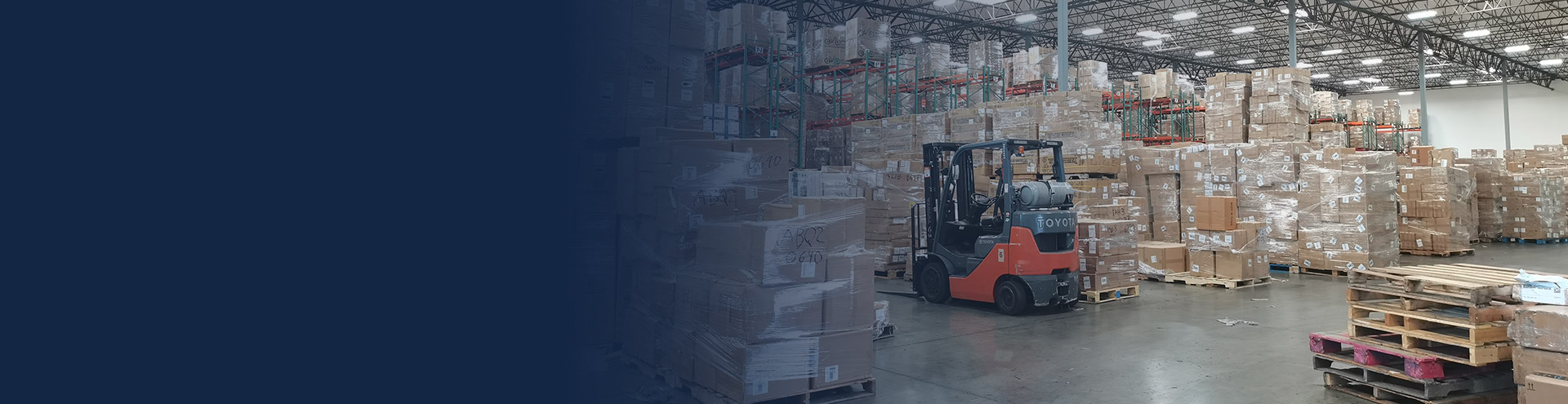
This stage involves devanning, where floor-loaded items are carefully unloaded from the container. Warehouse teams inspect the cartons for any transit damage, sort them by SKU, and palletize them onto heavy-duty wooden pallets. The palletized loads are securely shrink-wrapped to ensure stability during final domestic transport, transforming the loose cargo into freight ready for standard US trucking networks.
The final stage of the shipping process depends on the destination’s receiving capabilities. For deliveries heading to major e-commerce platforms like Wayfair or specialized fulfillment centers, shipments are typically routed using a dedicated Full Truckload (FTL) approach or specialized Less than Truckload (LTL) carriers. This helps ensure compliance with the strict receiving rules and delivery windows used by large retail hubs.
When shipping oversized furniture items directly to commercial warehouses or distribution networks, vehicles equipped with hydraulic liftgates are often required if the destination lacks a standard loading dock. Pallets exceeding 12 linear feet or weighing over 1,500 pounds require specialized handling equipment and liftgates capable of safely lowering large loads to ground level, helping avoid missed delivery windows and unexpected carrier surcharges.
Preventing product damage requires proper preparation at the origin factory. Ocean transit exposes cargo to continuous low-frequency vibrations and significant temperature shifts, which can lead to container sweat and moisture damage in solid wood items.
Shippers should enforce strict packaging guidelines at the production line:
Regulatory Filing Requirements
| Regulatory Framework | Target Component | Required Documentation |
|---|---|---|
| USDA Lacey Act | Natural wood structures, veneers, solid lumber cores. | Form PP (Genus, species, harvest origin data). |
| EPA TSCA Title VI | MDF, particleboard, hardwood plywood panels. | Formaldehyde emission compliance certificate labels. |
| CBP Formal Entry | Entire commercial furniture consignment. | Commercial Invoice, Packing List, Continuous Customs Bond. |
Reviewing how the entire set of furniture was transported to Los Angeles, USA, highlights the importance of managing compliance, proper packaging, and coordinated final-mile delivery. By understanding Lacey Act filings, EPA regulations, and the logistics of West Coast transloading, importers can maintain a reliable and cost-effective supply chain. Working with an experienced partner like About ANL helps ensure your large-format furniture shipments move smoothly through customs and arrive safely at their final destination.
Avoid unexpected customs delays, Lacey Act errors, and port demurrage charges. Connect with ANL’s dedicated furniture logistics specialists today to secure custom transloading solutions and reliable final-mile delivery across the United States.
Get a Shipping Cost EvaluationHot News