AMERICAN NEW LOGISTICS It is an international logistics comprehensive service provider registered in Los Angeles, California, USA
 Chinese

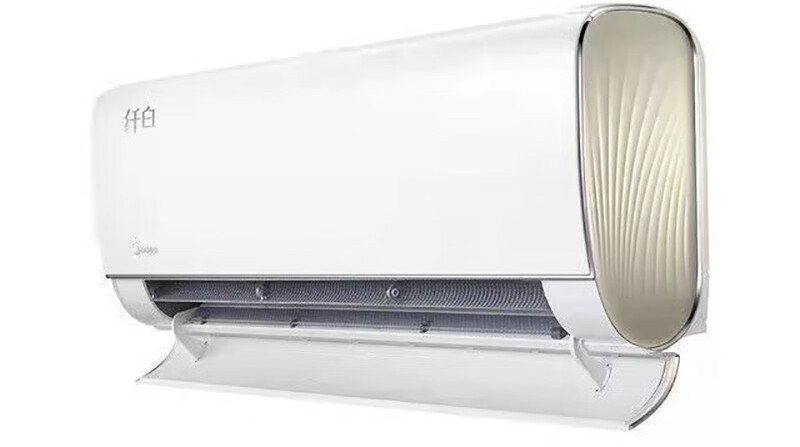
How Midea air conditioners are exported to the United States?Release time:2026-07-02 views:907
When Midea air conditioners are exported to the United States, cross-border supply chains face strict dual oversight from U.S. Customs and Border Protection (CBP) and specialized federal partner agencies. Importers must execute precise Harmonized Tariff Schedule (HTS) classification under heading 8415 while clearing two critical compliance steps. First, the unit must satisfy the U.S. Environmental Protection Agency (EPA) gas regulations under the American Innovation and Manufacturing (AIM) Act, requiring detailed refrigerant chemical data in the ACE portal. Second, the equipment must hold verified Department of Energy (DOE) energy-efficiency filings via the Compliance Certification Management System (CCMS) alongside formal UL safety certificates to bypass immediate port seizures.
Managing the specialized trade channels required when Midea air conditioners are exported to the United States demands an intimate understanding of industrial electronics manufacturing, global maritime route structures, and evolving federal environmental laws. Major home appliances cannot be routed using generalized freight techniques. Because modern HVAC products integrate complex cooling mechanics, high-voltage circuitry, and pressurized chemical compounds, their import profile automatically triggers advanced scrutiny at every domestic port of entry.
The trans-Pacific logistics corridor connecting major manufacturing hubs in Asia to American container gateways like the Port of Los Angeles, Seattle, or New York/New Jersey represents a highly regulated pipeline. Importers must proactively synchronize factory production schedules with federal filing windows well before the equipment arrives at the loading berth. Missing an environmental data deadline by a single afternoon can stall a complete production lot, leaving containers sitting on the pier racking up severe container demurrage fees.
The moment high-volume container freight crosses the U.S. exclusive economic zone, its data profile undergoes multi-agency electronic review. For cooling appliances, clearance authorization requires passing more than standard CBP commercial invoice audits. Two powerful federal entities maintain absolute veto authority over the physical release of your container at the marine terminal.
The primary regulatory barrier is enforced by the U.S. Environmental Protection Agency (EPA). Under current global climate mandates, the EPA strictly restricts the entry of hydrofluorocarbon (HFC) gases commonly utilized as refrigerants in residential cooling gear. Whether importing pre-charged split systems or window units utilizing next-generation compounds like R32, the Importer of Record (IOR) must submit verified chemical volume statements, factory leak-test logs, and active toxic substance declarations directly within the Automated Commercial Environment (ACE) system before the vessel arrives.
The second essential regulatory agency is the U.S. Department of Energy (DOE). The DOE manages structural energy efficiency baselines through its mandatory Compliance Certification Management System (CCMS). Any brand of air conditioner destined for commercial retail or e-commerce sale inside the United States must map cleanly to active SEER (Seasonal Energy Efficiency Ratio) requirements, backed by an active CCMS approval number. If your customs broker files an entry summary without an active, verified DOE compliance certificate reference number, the terminal computer system will flag the entry for an automatic hold.
U.S. Federal Appliance Compliance Reference Architecture
| Target System Component | Primary Government Agency | Mandatory Data Stream / Certificate |
|---|---|---|
| Internal Gas Charge (e.g., R32) | EPA (Environmental Protection Agency) | TSCA Section 13 Certification Form, along with specialized HFC allowance consumption documentation. |
| Inverter Motor & Compressors | DOE (Department of Energy) | Active CCMS Efficiency Certification code linked directly to the manufacturer's model matrix. |
| Power Supplies & Wiring | OSHA / NRTL Standards | UL 60335-2-40 Safety Listing Mark cleanly printed on the primary technical data plate. |
Financial errors in large-scale appliance logistics usually trace back to inaccurate classification on the commercial invoice. Residential and commercial air cooling units fall strictly under Chapter 84 of the Harmonized Tariff Schedule (HTS Code). However, choosing the incorrect statistical suffix can lead to major trade classification penalties, post-clearance customs audits, or unexpected exposure to specialized Section 301 tariffs.
Importers must analyze the physical and mechanical design of each model line to ensure accurate coding. The primary classifications include:
Using incorrect HTS descriptions to bypass trade restrictions is a severe compliance violation. CBP regularly executes targeted structural audits on home appliance shipments to uncover misclassified products. Working with an experienced customs clearance broker to perform a thorough pre-shipping technical review is the only reliable way to ensure long-term supply chain security.
In August 2025, our compliance division at ANL took over an urgent logistics rescue file involving 8x40ft high-cube cabinet (FCL) shipments containing inverter-driven smart split-system air conditioners. The cargo was moving under a standard DDP transaction structured by a non-vessel operating common carrier (NVOCC) that lacked specialized appliance compliance experience. Upon offloading at the Port of Long Beach, the line was instantly flagged for a joint CBP and EPA intensive physical examination at a local Centralized Examination Station (CES).
The field officers held the entire consignment because the manufacturer’s technical data nameplate failed to state the exact ozone depletion potential metrics required under recent revisions to the AIM Act. The importer faced compounding terminal storage fees of $650 per container every day, alongside severe delivery cancellation warnings from their domestic distribution partners. Our operations team immediately took charge of the recovery process:
Thanks to our targeted document corrections and local terminal relationships, the EPA issued an official "May Proceed" clearance notice within 48 hours of our intervention. We deployed our asset-backed regional truck fleet to pull the containers out of the terminal immediately, bypassing additional port storage penalties and ensuring safe delivery to the client's regional distribution hubs.
The international transit of high-volume appliance shipments demands specialized physical cargo protection strategies. Home cooling equipment features high-density components, like heavy compressor motors and delicate electronic control boards, contained within thin sheet-metal enclosures. If a container faces intense movement across trans-Pacific routes, improper lashing can quickly result in widespread warehouse rejections.
To maximize cargo safety during long-distance seafreight transit, engineering teams must evaluate physical forces inside the container. Review the primary structural risk points and required mitigation techniques used for appliance freight:
Physical Cargo Damage for Trans-Pacific Appliance Shipping
| Logistics Risk Focus | Typical Physical Impact | Mandatory Preventive Strategy |
|---|---|---|
| Vertical Compressive Crushing | Lower tier carton collapse caused by excessive vertical stacking during high-sea rolling. | Utilize high-strength corrugated boxes reinforced with heavy-duty internal structural corner pillars. |
| Internal Component Damage | Hairline welds breaking on internal copper pipes, leading to slow refrigerant leaks. | Insert custom-molded expanded polystyrene (EPS) structural cushioning inside all primary product packaging. |
| Horizontal Cargo Shifting | Containers tilting or items tipping during rail yard switching or terminal crane lifting. | Install industrial dunnage air bags, heavy-duty nylon lashing straps, and wooden blocking arrays between adjacent rows. |
Passing through international customs checkpoints is only half the battle. When Midea air conditioners are exported to the United States and destined for major retail systems like Amazon FBA or Walmart Fulfillment Networks, the final-mile delivery process faces strict warehouse receiving rules. Omnichannel platforms classify large HVAC units as oversized high-risk inventory, which requires specialized logistical handling.
Fulfillment networks enforce strict rules regarding maximum box weight limits and pallet dimensions. For instance, any cooling unit exceeding 50 lbs must display clear, high-visibility multi-person lift or mechanical handling warning labels on all sides of the box. Carton dimensions must match your electronic advance shipping notice (ASN) data exactly. A variance of just half an inch can confuse automated conveyor sortation systems, causing the warehouse to reject the entire delivery truck.
To avoid delivery penalties, many smart importers route their ocean freight containers straight to a specialized domestic warehouse near the port. Logistics teams can unload the containers, perform quality checks on carton condition, and assemble stable, heavy-duty pallets that match specific platform rules. This intermediate processing step ensures that your final truck delivery proceeds without delays or unexpected carrier fees.
Transforming appliance logistics into a secure, repeatable process requires moving away from last-minute shipping bookings. Importers should establish a structured, step-by-step timeline that coordinates factory production, regulatory compliance documentation, and ocean transit bookings into a single workflow.
A reliable home appliance shipping strategy should follow this sequential progression:
Successfully managing the logistics when Midea air conditioners are exported to the United States requires a thorough understanding of federal trade regulations and physical cargo protection strategies. Treating high-value, tech-driven home appliances like generic consumer commodities often results in complex customs delays, severe EPA penalties, and expensive port demurrage fees. By establishing proactive document verification workflows, implementing rugged container lashing methods, and partnering with an asset-backed logistics expert that controls local port drayage and transloading infrastructure, your business can protect its high-value inventory and ensure reliable retail delivery timelines. To analyze your equipment's specific HTS tariff exposure or map out a secure trans-Pacific logistics plan, consult with our project engineering team on our About company history page or follow live supply chain updates via our global news network.
Are you importing high-volume air conditioners, home appliances, or specialized cooling gear through major U.S. ports? Avoid expensive CBP customs holds, missing EPA chemical data rejections, and costly retail warehouse delivery chargebacks. Partner with American New Logistics (ANL). We provide full pre-shipping documentation verification, dedicated asset-backed truck fleets, and expert domestic transloading services.
Appliance Logistics Desk: Full-Service Compliance & Maritime Infrastructure
Schedule a Technical Compliance ConsultationQ1: What specific EPA regulations apply to imported air conditioners using R32 refrigerant?
Imports must comply with the AIM Act phase-down rules, requiring proper electronic data tracking and chemical safety reports in the ACE system.
Q2: Can I import residential air conditioning equipment into the United States without an active DOE CCMS filing?
No. Leaving out a valid CCMS tracking code will trigger an automatic customs entry block and lead to cargo holds at the terminal.
Q3: How many days of port free time do ocean carriers typically provide for home appliance containers?
Standard ocean carriers usually offer 4 to 5 days of terminal free time before daily port demurrage fees begin to pile up.
Q4: Why are dunnage air bags necessary when packing air conditioning shipments for ocean freight?
Dunnage air bags fill empty spaces inside the container, preventing horizontal shifting that can damage thin sheet-metal housings during ocean transit.
Q5: What happens if an appliance import container is flagged for an intensive physical customs exam?
The container is moved to an offsite Centralized Examination Station, where officers physically verify product markings, safety labels, and manifest details.
Q6: Is a Continuous Customs Bond required for importing multiple container shipments of retail appliances?
Yes. High-value home appliance shipments subject to multi-agency reviews require a Continuous Customs Bond to ensure efficient ongoing clearance processing.
Hot News